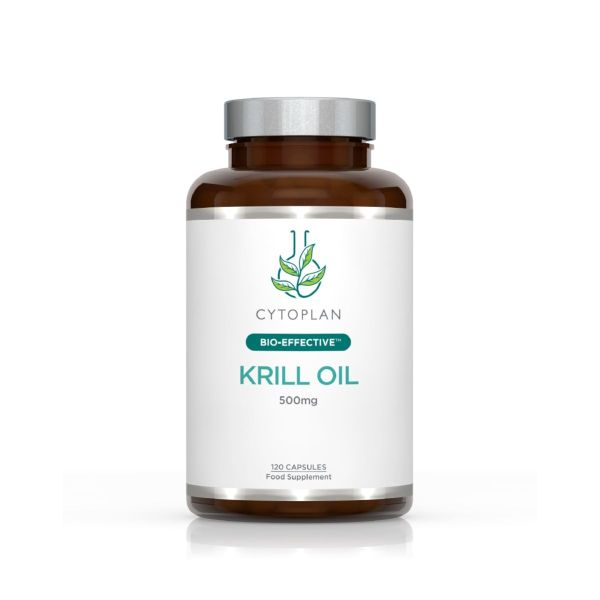
Krill Oil
Pure, Antarctic krill oil is a bio-effective phospholipid source of omega-3 fatty acids and astaxanthin. Sustainably sourced from Antarctic waters, our krill oil supports heart health, brain function and vision.
- Pure, Antarctic krill oil
- Omega-3 plus astaxanthin
- Sustainably sourced
More than just omega 3
Krill Oil contains omega-3 fatty acids EPA and DHA, but naturally bound to phospholipids, and antioxidant astaxanthin, which all work together to support overall cell health, heart, brain function and vision.
High in phospholipids
Krill is naturally rich in phospholipids like phosphatidylcholine, important for brain health and often depleted during pregnancy.
Sustainably sourced
Our Antarctic krill oil has Marine Stewardship Council (MSC) and Friend of the Sea certifications, demonstrating sustainable fishing.
Updated capsule formulation
Now with bovine gelatine, glycerol, sorbitol, and purified water.
Pure, sustainably sourced Antarctic Krill Oil containing omega-3 fatty acids EPA and DHA, phospholipids, and naturally-occurring antioxidant astaxanthin. These ingredients all help to support overall cell health, heart, brain function and vision.
Krill oil is often considered superior to fish oil as the EPA and DHA essential fats in krill are bound to phospholipids - fatty molecules present in our own body cell walls - which means they are more easily taken into cell membranes than fish oils and support the health of our own cells. One phospholipid is phosphatidylcholine, important for brain health and often depleted during pregnancy. Choline is also essential for synthesising acetylcholine, a neurotransmitter vital for memory, and supports normal liver function. Additionally, krill oil includes astaxanthin, a potent antioxidant that helps protect against oxidative stress.
Krill oil contains 150mg DHA, 80mg EPA & 1.5mg astaxanthin per daily dose.
Our Antarctic krill oil has Marine Stewardship Council (MSC) and Friend of the Sea certifications. They are committed to maintaining the sustainability of krill within the strict guidelines of CCAMLR (The Commission for the Conservation of Antarctic Marine Living Resources). Our krill is from protected waters where the krill biomass harvest is limited to 1%, to conserve this valuable food staple that sea birds, whales and other marine life rely on.
Dosage:
1-2 capsules daily
How to take:
With food or as directed by a practitioner
Suitability:
Suitable for adults and children ages 4 years and above
| Active Nutrient | Strength | %NRV* |
| Krill Oil | 1000mg | * |
| Which Provides: | ||
| Phospholipids | 200mg | * |
| EPA | 120mg | * |
| DHA | 80mg | * |
| Astaxanthin | 1.5mg | * |
|
+NRV = Nutritional Reference Value * Indicates no NRV |
||
Dosage:
1-2 capsules daily
How to take:
With food or as directed by a practitioner
Suitability:
Suitable for adults and children ages 4 years and above
People with Candida and yeast sensitivities.
If you are on antithrombotic drugs (e.g. Warfarin or Heparin), or have any deficiency of the liver consult your doctor before taking this product. This product contains fish and crustaceans, it should not be taken by people with allergies to these ingredients.
Bovine gelatin, humectant: glycerol, sorbitol, purified water.
GMO, wheat, soy, dairy, added sugar & colourings.
Keep cool, dry & out of direct sunlight. For best results please keep refrigerated in hot weather.
Inspired by nature, backed by science, loved by you
Excellent

Looking for FREE tailored advice?
Our on-site team of Nutritional Therapists is here to answer your health questions.
Bio-Effective® Supplements
Our Bio-Effective® formulas are optimally absorbed and recognised by your body, so they can be used exactly where they’re needed most.
Formulated by Nutritional Therapists, we use only what’s needed to create clean products, free from unnecessary additives.
We combine nutrients and wholefoods with purpose, working in synergy with the body and harnessing the power of nutrition science and nature - resulting in exceptional products that make a real, lasting difference to health.
 Optimum potency for optimum health
 Premium ingredients that work
 Clean products, with no unnecessary extras
 Unique formulations backed by science
Practitioner Recommended
For over 35 years, our community of 6,000+ practitioners have used Cytoplan products to support their clients. All formulations can be used in a clinic setting, but are designed to benefit everyone.


As featured in





 Ethically driven, charity-owned
Every purchase channels money to support health and wellbeing projects across the UK
Ethically driven, charity-owned
Every purchase channels money to support health and wellbeing projects across the UK
 Practitioner recommended
For over 35 years, our community of 6,000+ practitioners have used Cytoplan products to support their clients
Practitioner recommended
For over 35 years, our community of 6,000+ practitioners have used Cytoplan products to support their clients
 Independently tested & UK made
From our manufacturing facility in Worcester, we operate to the highest food quality standards
Bio-Effective® supplements
Our Bio-Effective® formulas are optimally absorbed and recognised by your body
Independently tested & UK made
From our manufacturing facility in Worcester, we operate to the highest food quality standards
Bio-Effective® supplements
Our Bio-Effective® formulas are optimally absorbed and recognised by your body
FAQ’s
Is your krill oil sustainably sourced?
Our Antarctic krill oil has Marine Stewardship Council (MSC) and Friend of the Sea certifications. They are committed to maintaining the sustainability of krill within the strict guidelines of CCAMLR (The Commission for the Conservation of Antarctic Marine Living Resources). Our krill is from protected waters where the krill biomass harvest is limited to 1%, to conserve this valuable food staple that sea birds, whales and other marine life rely on.