

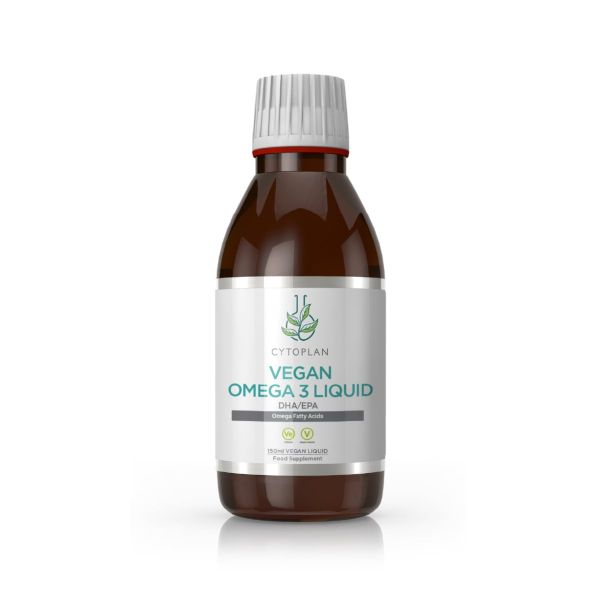
Vegan Omega 3 Liquid
Vegan omega 3 liquid in a delicious natural lemon flavour, a great fish oil alternative for kids. Supports heart, brain, and vision for the whole family.
- Supports brain, vision & heart health
- Rich in DHA
- Vegan essential fats from algae
 Free
Free Supports heart, brain and vision
DHA and EPA are essential for the heart, brain and vision.
Clean, pure and sustainable
Free from ocean pollutants, ensuring purity, stability and minimal environmental impact.
Plant-based omega 3 from algae
Naturally derived from marine algae - ideal for vegan a0nd plant-based lifestyles.
Liquid omega 3 form, suitable for the whole family
Delicious lemon flavoured liquid suitable the whole family including babies from 6 months.
About our Vegan Omega 3 Liquid
Vegan Omega 3 Liquid is a delicious, lemon-flavoured source of essential fatty acids derived directly from marine algae oil, the original source of omega 3 in the ocean. Unlike fish, which accumulate omega 3 by consuming algae, this supplement delivers EPA and DHA straight from the source for maximum purity, sustainability and effectiveness. Formulated for all ages and suitable for babies from 6 months, it provides a rich supply of DHA and EPA. This easy-to-take liquid offers a convenient alternative to capsules, with no fishy aftertaste and enhanced absorption thanks to added avocado oil. Each 5ml serving delivers 700mg DHA and 5mg EPA for comprehensive daily support.
What are the benefits of Vegan Omega 3 Liquid
An Omega 3 liquid provides a convenient and effective way to support the health of the whole family. Rich in the essential fatty acids EPA and DHA, it helps maintain normal heart function, supports brain performance and promotes healthy vision at every life stage. The liquid format makes it easy to take, mix into food/drink or adjust the serving for different ages, making it a great omega 3 liquid for children. It is also suitable during pregnancy, when DHA plays a vital role in the healthy development of the baby’s brain and eyes. Perfect for those who prefer not to swallow capsules, it offers a tasty, convenient way to ensure consistent omega 3 intake for the whole family.
Who is Vegan Omega 3 Liquid suitable for?
Our Vegan Omega 3 Liquid supplement is suitable for the whole family and is a great vegan omega for kids. It is the ideal daily supplement for anyone looking to support heart, brain and visual health, including those following vegan or vegetarian diets, pregnant women and individuals who prefer a clean, sustainable alternative to fish oil. Sourced from pure marine algae, it is also ideal for those seeking an environmentally friendly plant-based source of EPA and DHA. Avoid if there is any deficiency of the liver. Individuals taking medication should consult a doctor before use.
Babies aged 6 months to 1 year old = 1ml daily
Children aged 1-2 years = 1.5ml daily
Children aged 3-5 years = 2ml daily
Children aged 6-10 years = 2.5ml daily
Children aged over 11 years & adults = up to 5ml daily
| Active Nutrient | Strength | %NRV* | Vegan Omega 3 (algal oil from Schizochytrium sp.) |
| Which provides: | ||
| DHA | 700mg | * |
| EPA | 5mg | * | /tr>
| Vitamin E (alpha tocopherol) | 0.75mg | 6 |
|
+NRV = Nutritional Reference Value * Indicates no NRV |
||
Refined avocado oil, algal oil (from Schizochytrium sp algae), sicilian lemon oil, alpha tocopherol, mixed tocopherols, rosemary extract.
Vegetarians, vegans and people with Candida and yeast sensitivities.
Avoid if there is any deficiency of the liver. If you are on anti-thrombotic medication (e.g. warfarin or heparin), consult your doctor before taking this product.
Refined avocado oil, sicilian lemon oil, alpha tocopherol, mixed tocopherols and rosemary extract.
GMO, wheat, soy, dairy and colourings
Keep cool, dry & out of direct sunlight. Refrigerate once opened. When refrigerated, small flakes may form within the oil. These flakes are caused by the solidification of fats, a completely natural occurrence, generally posing no concern. To dissolve and return the product to prior consistency, store at room temperature for a short period of time before use.
Inspired by nature, backed by science, loved by you
Excellent

Looking for FREE tailored advice?
Our on-site team of Nutritional Therapists is here to answer your health questions.
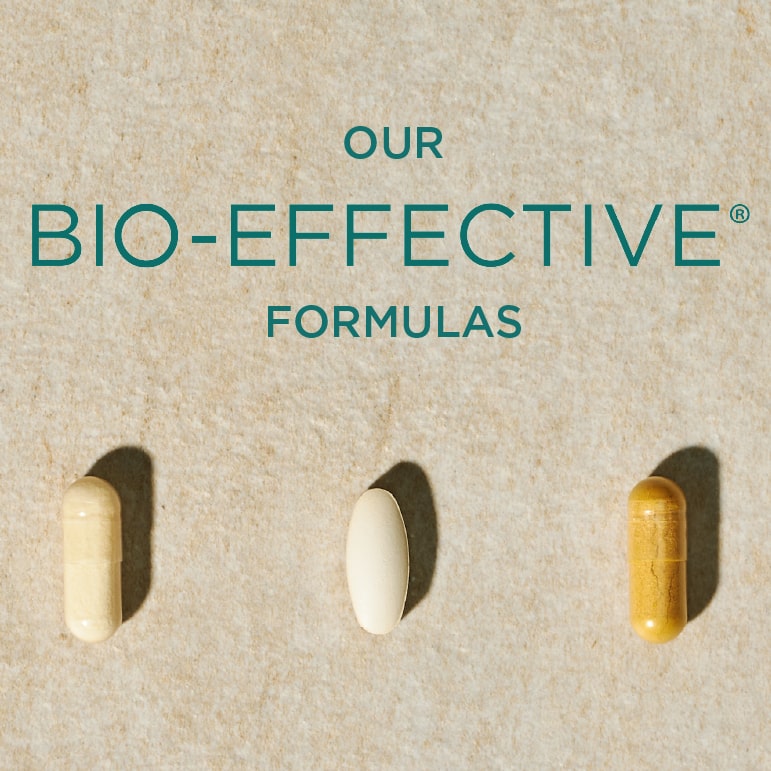
Bio-Effective® Supplements
Our Bio-Effective® formulas are optimally absorbed and recognised by your body, so they can be used exactly where they’re needed most.
Formulated by Nutritional Therapists, we use only what’s needed to create clean products, free from unnecessary additives.
We combine nutrients and wholefoods with purpose, working in synergy with the body and harnessing the power of nutrition science and nature - resulting in exceptional products that make a real, lasting difference to health.
 Optimum potency for optimum health
 Premium ingredients that work
 Clean products, with no unnecessary extras
 Unique formulations backed by science
Practitioner Recommended
For over 35 years, our community of 6,000+ practitioners have used Cytoplan products to support their clients. All formulations can be used in a clinic setting, but are designed to benefit everyone.


As featured in





 Ethically driven, charity-owned
Every purchase channels money to support health and wellbeing projects across the UK
Ethically driven, charity-owned
Every purchase channels money to support health and wellbeing projects across the UK
 Practitioner recommended
For over 35 years, our community of 6,000+ practitioners have used Cytoplan products to support their clients
Practitioner recommended
For over 35 years, our community of 6,000+ practitioners have used Cytoplan products to support their clients
 Independently tested & UK made
From our manufacturing facility in Worcester, we operate to the highest food quality standards
Bio-Effective® supplements
Our Bio-Effective® formulas are optimally absorbed and recognised by your body
Independently tested & UK made
From our manufacturing facility in Worcester, we operate to the highest food quality standards
Bio-Effective® supplements
Our Bio-Effective® formulas are optimally absorbed and recognised by your body
FAQ’s
Is Vegan Omega 3 liquid suitable for children?
Yes, this is a great omega 3 liquid for children and is suitable for the whole family including babies from 6 months.
Is Vegan Omega 3 liquid suitable for children?
During pregnancy, DHA is especially important for the healthy development of your baby’s brain and eyes. It’s recommended that pregnant women consume at least 200mg of DHA in addition to 250mg of combined EPA and DHA daily.
How does omega 3 liquid compare to fish oil?
Omega 3 from algae oil provides the same beneficial DHA and EPA as fish oil, but without exposure to marine contaminants or allergens. It offers all the benefits of omega 3 with a smaller environmental footprint, and is an excellent choice of omega 3 for vegans.