


5 ways to health hack your immune system this winter
Winter brings shorter days, colder temperatures, and an increased exposure to seasonal bugs. Our immune system is an amazing collection of unique organs and cells that plays a crucial role in protecting the body against external invaders, including the bacteria and viruses that are so rife this time of year!
While we can’t make our immune system invincible overnight, there are practical, evidence-based steps we can take to help our bodies stay resilient. This article explores five simple yet powerful ways to “health hack” your immune system, covering nutrition, hydration, gut health, key nutrients, and lifestyle habits, so you can feel your best and keep your defences strong all season long.
Eat a nutrient-dense diet
Eating a balanced, nutrient-rich diet that provides a range of macro- and micro-nutrients is key to supporting a healthy immune system. You should base your plate around the following nourishing foods:
Protein-rich foods
Lean meats, fish, eggs, legumes, and nuts are great sources of protein, which is required to make antibodies and for immune cell function, as well as having antiviral properties.
Healthy fats
Omega-3 fatty acids, found in foods such as oily fish, chia and flaxseeds help to support anti-inflammatory pathways, preventing chronic inflammation, which can impair immunity. Omega-3s also support the structure and function of immune cells, allowing them to signal to each other to respond effectively to pathogens.
Eating the rainbow
Enjoying a wide range of colourful fruits and vegetables each day is the best way to up your intake of phytonutrients: protective plant compounds that contribute to the vibrant colours in these foods. Each colour brings its own unique set of phytonutrients which work together to strengthen immunity – so variety is key! Plant foods are also amazing sources of vitamins and minerals such as vitamin C, B vitamins, selenium and zinc, which are essential for optimal immune health.
Include herbs and spices
As well adding a flavour-punch to your meals, these ingredients can be powerful allies for your immune health. Warming spices like turmeric, ginger and cloves can all help to reduce inflammatory markers and support a balanced immune response. Herbs such as garlic, oregano and thyme contain compounds that exhibit antiviral and antibacterial activity. Get creative with your cooking to support your immune health!
Foods to avoid
It’s also important to be mindful of foods that can impair your immune function and avoid them where possible. Foods high in added sugar, refined carbohydrates, and trans fats, such as sweets, pastries, white bread, and fried or ultra-processed foods can promote inflammation, disrupt gut health, and increase the risk of infections and illness.
Stay hydrated
Hydration plays a vital role in immune health by keeping mucous membranes moist to block pathogens, supporting lymph flow for efficient immune cell transport, and aiding nutrient delivery and toxin removal. Adequate water intake also helps maintain cell communication and overall immune function, making regular hydration essential for a strong defence system.
Ensure you drink plenty of water and herbal teas throughout the day and limit your caffeine and alcohol intake, as well as salty and processed foods, as these can be dehydrating.
Support your gut health – your first line of defence.
Did you know around 70% of your immune tissue lives in your gut? This area, called the gut-associated lymphoid tissue (GALT), acts as a protective barrier against harmful bacteria, viruses, and toxins that enter through food and the environment. Your gut lining has a large surface area (about the size of a tennis court) and it’s constantly working to keep you protected and healthy, so it should always be a key focus when thinking about supporting optimal immunity.
A balanced gut microbiome helps regulate immune responses and produces protective antibodies like secretory IgA, which coats the gut lining to help neutralise invading viruses and bacteria.
Stress, poor diet, and inflammation can disrupt the balance of your microbiome, making you more vulnerable to infections – but the good news is that there are several steps you can take to support your gut health, and therefore your immunity this winter – such as:
Probiotics
Live bacteria supplements, known as probiotics, can help restore balance in your gut by encouraging healthy microbes and preventing harmful ones from taking hold and growing. Extensive research has demonstrated the beneficial effects of probiotics for immune health including vitamin synthesis, inhibition of growth and colonisation of pathogenic bacteria, antimicrobial activity and supporting the immune responses via secretory IgA antibodies.1
Prebiotics
Prebiotics are dietary fibres which act as food for the microbiota and stimulate the growth of beneficial bacteria. The digestion, or fermentation, of these “prebiotics” produces short chain fatty acids (SCFAs), which act as a fuel for the cells lining the digestive system, known as enterocytes, and support the integrity of the digestive lining. SCFAs enhance the production of mucin; a gel-like substance that creates a protective layer in the gut to help block harmful microbes and support immune defences by maintaining a strong barrier against infection.
Support your gut through diet:
-
Dietary fibre: this indigestible carbohydrate, found in plant foods, can play an important role in maintaining healthy digestion and a balanced microbiome. You can increase your fibre intake through foods such as fruits and vegetables, nuts, seeds, wholegrains, beans and pulses.
-
Probiotic foods: fermented foods such as natural live yoghurt, kefir, sauerkraut, kimchi and kombucha are great sources of gut friendly probiotics
-
Prebiotic foods: rich sources include onions, garlic, chicory, olives, baked apples and Jerusalem artichoke. The most important way to support diversity and provide a range of prebiotics is to consume a wide range of different wholefoods.
-
Polyphenols - found in many different plant foods, as well as dark chocolate (at least 70% cocoa) and red wine can also have a prebiotic-like effect and support your gut bacteria – so enjoy them (in moderation!)
Targeted nutrients & supplements to support your immune health
There are a number of nutrients that can support your immune health to protect you against viruses, as well as help your recovery if you do fall ill.
Vitamin A
This fat-soluble vitamin is important for the normal function of the immune system through its role in the formation of immune cells such as antibodies and T Cells; the type of white blood cells that help identify pathogens. It also plays an important role in the maintenance and repair of the body’s natural defences, which includes the mucosal barriers in the respiratory and digestive tract. These help to trap bacteria, viruses and other infectious agents.
Vitamin C
Has been shown to be supportive for several different immune cells. It can support the production and function of white blood cells, which can protect us against infection. Vitamin C also has antimicrobial properties, to inhibit the growth of unfriendly bacteria, and can help to prevent and reduce the duration of respiratory infections.
Vitamin D
Known as the “sunshine vitamin”, vitamin D can profoundly strengthen both our innate and adaptive immunity, and several different immune cells have vitamin D receptors that affect their function. It can also play an important role in modulating the immune system, ensuring its appropriate function and reducing the chance of developing allergies and auto-immunity. Sub-optimal levels are common in the UK, particularly over winter.
Zinc
Is essential for the normal development and function of immune cells, and a deficiency in zinc can impair immune function and leave you more susceptible to infection. Research shows that taking zinc at the start of a cold can shorten its duration.
Beta Glucans 1-3, 1-6
Found in a limited number of foods, is known to have a “priming” action, which readies the immune system to fend off harmful pathogens.
Lysine
This amino acid aids antibody production and tissue repair. Lysine also exhibits antiviral properties by inhibiting viral replication
N-Acetyl Cysteine (NAC)
Another amino acid which has shown great promise in respiratory and overall immune health. NAC helps to relieve respiratory symptoms by reducing inflammation and loosening mucous in the airways, thereby improving overall lung function.
Elderberry
Supplementating with this superfood has been associated with shorter duration and reduced severity of cold and flu symptoms. Elderberry is rich in phytonutrients, such as anthocyanins that may inhibit viral replication, modulate cytokine activity to reduce inflammation and provide antioxidant support.
3 lifestyle habits to prioritise to support immune health
There are also a number of lifestyle choices you can make to support optimal immune health:
Sleep
Sleep is crucial for a healthy immune system because it's when the body produces protective cytokines, repairs cells, and strengthens immune responses to fight off infection. Lack of sleep can lower immune function and increase susceptibility to illness.2 Aim for 7-9 hours of refreshing sleep each night and practice great sleep hygiene to ensure quality shut eye.
Movement
Moderate exercise sessions (under 60 minutes) can boost your immune system by improving circulation of key immune cells like natural killer cells, T cells, and antibodies. These short bouts of activity enhance your body’s ability to detect and fight pathogens, reducing the risk of infections such as colds and flu. Regular physical activity also supports gut health, which as we know is vital for immunity.3
Stress management
Stress triggers the release of hormones like cortisol and adrenaline, which are helpful in short bursts but harmful when elevated for long periods. Chronic stress can suppress immune function by reducing the activity of natural killer cells, impairing antibody production, and increasing inflammation. This makes the body more vulnerable to infections and slows healing. Managing stress through relaxation techniques, good sleep, and healthy habits is key to keeping your immune system strong.4
Summary: The best ways to support your immune health
By making small, consistent changes to your daily routine, focusing on nourishing foods, staying hydrated, supporting your gut, prioritising key nutrients, and embracing healthy habits like sleep, movement, and stress management, you can give your immune system the support it needs to thrive this winter. Remember, there’s no single magic bullet, but this holistic approach can make a real difference in your body’s natural defences, and you’ll be well on your way to a healthier, more resilient season ahead.
References
- Pandey K, Gosai H, Patel RB. An updated review on advantages, disadvantages and uncertainties associated with probiotics. J Dairy Res. 2025 Oct 29:1-16. doi: 10.1017/S0022029925101155. Epub ahead of print. PMID: 41158065.
- Garbarino S, Lanteri P, Bragazzi NL, Magnavita N, Scoditti E. Role of sleep deprivation in immune-related disease risk and outcomes. Commun Biol. 2021 Nov 18;4(1):1304. doi: 10.1038/s42003-021-02825-4. PMID: 34795404; PMCID: PMC8602722.
- Nieman DC, Wentz LM. The compelling link between physical activity and the body's defense system. J Sport Health Sci. 2019 May;8(3):201-217. doi: 10.1016/j.jshs.2018.09.009. Epub 2018 Nov 16. PMID: 31193280; PMCID: PMC6523821.
- Alotiby A. Immunology of Stress: A Review Article. J Clin Med. 2024 Oct 25;13(21):6394. doi: 10.3390/jcm13216394. PMID: 39518533; PMCID: PMC11546738.
-
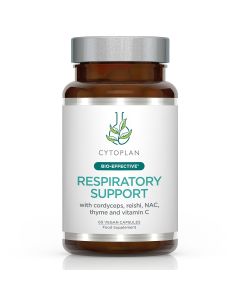 In stockRespiratory support
A unique synergistic complex with thyme, cordyceps, reishi, NAC and vitamin C...
£28.49 -
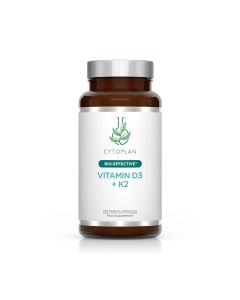
 In stockVitamin D3 + K2
A unique, high potency vitamin D3 + K2 formula for immune and bone support.
£23.99 RRP £17.99 Special Price -
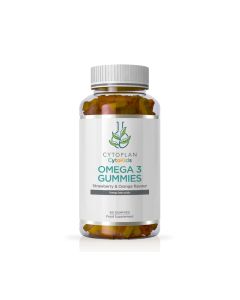
 In stockOmega 3 Gummies
Delicious orange and strawberry-flavoured omega-3 gummies for kids aged 3+. M...
£26.59 Special Price -
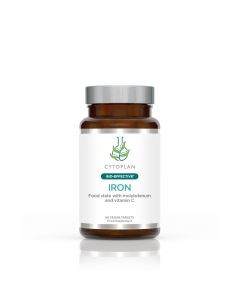
 In stockIron (60/120 tablets)
Our Food State Iron tablets provide a gentle, easy to absorb and non-constipa...
£16.99 from -
 In stockAdvanced Multi
The ultimate, optimum potency ‘multi plus’, with additional targeted nutr...
£35.99 from