


Leaky gut & hay fever: What’s the connection?
What if your gut, not just pollen, was behind your hay fever flare‑ups?
With up to 80% of your immune tissue found in the gut, even small disruptions in gut balance or barrier function can make allergic reactions stronger and symptoms harder to manage.
This article examines how gut health and hay fever are connected, why a “leaky gut” may heighten sensitivity to pollen, and the nutrition and probiotic strategies that can help support a calmer, more resilient immune response this allergy season.
Can gut health affect hay fever?
How the gut communicates with the immune system
Your gut and immune system are intrinsically linked. In fact, most of your immune system (70-80%) is found in and around your gut. The bacteria that live there help to educate and regulate your immune system, strengthen the gut lining (our physical immune barrier), and keep immune responses calm and balanced. When the gut is healthy, it helps the immune system react appropriately to threats. But when the gut lining or gut bacteria are out of balance, immune responses can become overactive, increasing inflammation and the risk of immune‑related problems1.
This gut signalling can extend to the lungs and upper airways, known as the gut–lung axis. A healthy, balanced gut microbiome can help regulate immune cells and produce metabolites, such as short‑chain fatty acids (SCFAs), that travel through the bloodstream and enhance immune defences in the airways. These SCFAs act as signalling molecules in the lungs, where they can calm inflammatory and allergic responses2.
Why immune balance matters in allergies
Hay fever, also known as seasonal allergic rhinitis, is a common allergic condition that occurs when the immune system overreacts to airborne pollens from grass, trees, or weeds. In people with hay fever, these normally harmless substances are mistakenly identified as a threat, triggering the production of IgE antibodies and the release of histamine. This immune response leads to familiar symptoms such as sneezing, a runny or blocked nose, itchy and watery eyes, headaches, fatigue, and sinus congestion, typically appearing during spring and summer when pollen levels are highest
When gut‑derived signals favour immune balance (e.g., via SCFAs), allergic responses may be less intense, but when tolerance is impaired, such as if dysbiosis or barrier disruption is present, reactivity can increase.
What is leaky gut (intestinal permeability)?
How the gut lining normally works
The intestinal lining is your gut’s natural protective barrier, separating the inside of your body from the outside world, that travels through your digestive system. Indeed, the gut barrier is the most important defence system of the human body! It’s made up of tightly connected intestinal cells, a layer of mucous, and antimicrobial substances that work together to keep harmful microbes, toxins, undigested food particles and other pro-inflammatory substances from entering the bloodstream. At the same time, this barrier allows the absorption of nutrients and controlled interaction with the immune system to maintain overall gut balance3.
What can disrupt the integrity of the gut lining?
Ongoing studies demonstrate that poor diet, chronic stress and lack of physical activity can change the gut microbiota, impair epithelial cell function, cause gut dysbiosis, and increase intestinal permeability4.
When the barrier becomes weakened or “leaky,” unwanted substances can pass through, triggering immune activation and inflammation. This breakdown has been linked to conditions such as inflammatory bowel disease, metabolic disorders, and even some autoimmune and neurological diseases. Supporting the integrity of the intestinal barrier is therefore essential to maintaining good digestive and overall health.
Gut–immune axis: how a leaky gut may contribute to hay fever
Increased immune reactivity
In leaky gut, more luminal antigens (e.g. food fragments, microbial components) enter the bloodstream, reaching the immune cells located beneath the epithelium, potentially amplifying systemic immune activation. In people with allergic tendencies, the immune system reacts more strongly to these escaped particles, almost] as if it’s constantly on alert. As the barrier weakens further, immune cells in the gut’s submucosal layer become overstimulated, further amplifying reactivity5.
Leaky gut is implicated across various atopic conditions. While strongest for food allergy and eczema, the biologic mechanism is relevant to airway disease as well.
Systemic inflammation and allergy symptoms
A leaky gut does not just affect digestion but may also drive body‑wide inflammation. The inflammatory signals (cytokines) that are triggered when antigens enter the bloodstream circulate throughout the body. This contributes to a cycle of inflammation, further weakening the gut lining.
This inflammatory “spillover” can make seasonal allergies like hay fever worse by priming the body to overreact to pollen and other environmental triggers.
Reduced SCFA production
Barrier dysfunction and dysbiosis can reduce SCFA production, which can exacerbate allergy by several mechanisms:
- SCFAs help maintain a healthy gut lining so when levels drop, the barrier can become more permeable, making it easier for unwanted particles to cross into the body and trigger an immune response
- SCFAs don’t just support the gut lining, they also calm the immune system by working through special receptors that help to keep inflammation in check. When levels of SCFAs are low, these signals can weaken, making the immune system more likely to overreact to harmless substances such as pollen
- Low levels of SCFAs are linked to higher gut inflammation. This ongoing inflammation can “prime” the immune system, making it more likely to mount immune responses elsewhere in the body, such as the airways6.
Histamine and the gut
Histamine is a chemical produced naturally in the body and involved in immune responses, digestion and allergic reactions, but when levels get too high, hay fever symptoms such as sneezing, water eyes and itching can occur. In a healthy gut, an enzyme called DAO (diamine oxidase) is released in the small intestine, where it breaks down histamine before it enters the bloodstream.
If the gut lining is damaged or inflamed, DAO activity can drop, meaning more histamine gets absorbed into the body. This can increase the “histamine load” and exacerbate hay fever symptoms.
Nutrition that supports gut and immune health, and therefore hay fever
Our goal is to provide support for the pollen season by promoting gut integrity, microbiota diversity and a calm, balanced immune response.
Key nutrients for gut lining support
- Dietary fibre (especially fermentable prebiotic fibres): Aim for ~30g/day from diverse plants (legumes, oats, onions, leeks, asparagus, berries, seeds). Fibre fuels SCFA production, which promotes tight‑junction integrity and immune tolerance.
- Polyphenols (colourful plants, green tea, cocoa): Support beneficial bacteria and epithelial signalling; part of an anti‑inflammatory pattern that favours tolerance.
- Vitamin D, A, zinc: These nutrients support epithelial integrity and immune modulation.
- Glutamine is a major fuel source for intestinal cells and is shown to help reduce intestinal permeability and support gut lining repair.
- Collagen peptides provide the amino acids glycine and glutamine, both of which help repair the gut lining and reduce permeability.
- Omega-3 fatty acids can modulate inflammatory pathways relevant to airway symptoms.
Probiotics, prebiotics and hay fever
There have been a number of recent studies which examine the supportive role of probiotics and prebiotics in hay fever:
- One 2024 placebo-controlled clinical trial demonstrated that a combined probiotic/prebiotic supplement, when taken for 90 days significantly reduced hay fever symptoms, improved inflammatory markers and increased SCFA levels in the test subjects7.
- Another study in 2022 demonstrated that participants with hay fever, who took a multi-strain probiotic formula for 12 weeks saw a significant reduction in symptoms such as runny nose and itchy eyes. They also saw improvements to quality of life such as better sleep and less daytime fatigue8.
- A 2024 study examining specific probiotic strains found that a formula containing Lactobacillus acidophilus, L. rhamnosus, Bifidobacterium breve and B. longum promoted a shift towards anti-inflammatory and anti-allergic bacterial species in the intestinal microbiota, and in doing so, improved hay fever symptoms over an 8-week period9.
- And finally, a systematic review of 15 studies, published last month, concluded that probiotics show great therapeutic potential in hay fever, effectively alleviating symptoms and improving quality of life. They can support a balanced immune response, and anti-inflammatory pathways, while demonstrating excellent safety and tolerability10.
Practical takeaways:
If considering a probiotic supplement, choose evidence‑backed strains and ideally start to supplement 8-10 weeks before peak pollen season. Combine with prebiotic fibres (onions, garlic, leeks, chicory, cooked/cooled pulses) to feed native bacteria and encourage SCFA production.
In summary, nurturing your gut, through diet, key nutrients, and the right probiotics may help balance your immune system and soften the intensity of hay fever symptoms. By supporting gut integrity and microbial diversity, you can give your body a stronger foundation for calmer, more controlled immune responses throughout pollen season.
References
1 Wiertsema SP, van Bergenhenegouwen J, Garssen J, Knippels LMJ. The Interplay between the Gut Microbiome and the Immune System in the Context of Infectious Diseases throughout Life and the Role of Nutrition in Optimizing Treatment Strategies. Nutrients. 2021 Mar 9;13(3):886.
2 Enaud R, Prevel R, Ciarlo E et al. The Gut-Lung Axis in Health and Respiratory Diseases: A Place for Inter-Organ and Inter-Kingdom Crosstalks. Front Cell Infect Microbiol. 2020 Feb 19;10:9.
3 Neurath MF, Artis D, Becker C. The intestinal barrier: a pivotal role in health, inflammation, and cancer. Lancet Gastroenterol Hepatol. 2025 Jun;10(6):573-592.
4 Liang L, Saunders C, Sanossian N. Food, gut barrier dysfunction, and related diseases: A new target for future individualized disease prevention and management. Food Sci Nutr. 2023 Mar 7;11(4):1671-1704
5 Niewiem M, Grzybowska-Chlebowczyk U. Intestinal Barrier Permeability in Allergic Diseases. Nutrients. 2022 Apr 30;14(9):1893. doi: 10.3390/nu14091893. PMID: 35565858; PMCID: PMC9101724.
6 Parada Venegas D, De la Fuente MK, Landskron G, et al. Short Chain Fatty Acids (SCFAs)-Mediated Gut Epithelial and Immune Regulation and Its Relevance for Inflammatory Bowel Diseases. Front Immunol. 2019;10:277.
7 Hou Y, Wang D, Zhou S et al. Probiotics combined with prebiotics alleviated seasonal allergic rhinitis by altering the composition and metabolic function of intestinal microbiota: a prospective, randomized, double-blind, placebo-controlled clinical trial. Front Immunol. 2024 Nov 1;15:1439830.
8 Ried K, Travica N, Paye Y, Sali A. Effects of a Probiotic Formulation on Seasonal Allergic Rhinitis in Adults-A Randomized Double-Blind Placebo-Controlled Trial: The Probiotics for Hay Fever Trial. Front Nutr. 2022 May 23;9:887978.
9 Lungaro L, Malfa P, Manza F, et al. Clinical Efficacy of Probiotics for Allergic Rhinitis: Results of an Exploratory Randomized Controlled Trial. Nutrients. 2024 Nov 30;16(23):4173.
10 Wang Z, Song Y, Liang X et al. Probiotic therapy as adjuvant for allergic rhinitis: an overview of systematic reviews and meta-analyses. Front Med (Lausanne). 2026 Jan 12;12:1711096.
-
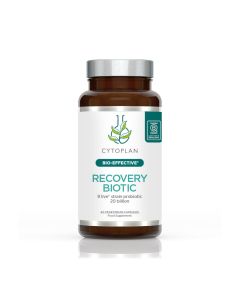
 In stockRecovery Biotic
High potency probiotic capsule with 20 billion live bacteria from 9 clinicall...
£49.99 -
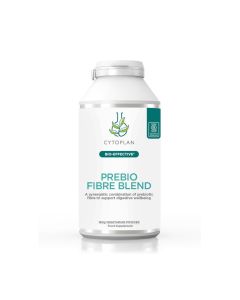
 In stockPreBio Fibre Blend
A synergistic prebiotic fibre blend to support microbiome diversity, balance ...
£47.49 -
 In stockCytoProtect GI Tract
A synergistic nutrient and botanical complex designed to soothe and support t...
£29.20 from -
 In stockOrganic Ashwagandha
Premium quality organic Ashwagandha delivering 1000mg per 2 capsules. This hi...
£15.49 from