


The gut-brain axis is an exciting, and rapidly evolving area of research with potential implications for both mental and overall health. Scientists are investigating how gut function may influence areas such as psychological wellbeing, neurodevelopment, healthy ageing, and neurodegenerative disorders, potentially offering new perspectives on psychiatric care.
What Is the Gut-Brain Axis?
The gut-brain axis is a complex, bidirectional communication system between the gut and the brain, which plays a pivotal role in regulating mood, cognition, and overall health and wellbeing. The gut and brain are linked both physically and biochemically, through this dynamic communication network that links the central nervous system (CNS) and the enteric nervous system (ENS) of the gastrointestinal tract. This connection involves:
The vagus nerve
The longest cranial nerve in the body that links the brain to major organs such as the heart, lungs and gastrointestinal tract, sending signals in both directions
Neurotransmitters
These chemical messages play a key role in the gut-brain axis, where they influence mood, cognition, digestion and immune health.
-
Examples include serotonin; up to 95% of the body’s serotonin is produced by the enterochromaffin cells in the small intestine, and this neurotransmitter plays a key role in regulating mood, sleep, appetite and bowel movements.
-
Another key neurotransmitter in the gut-brain axis is Gamma-Aminobutyric Acid (GABA); an inhibitory neurotransmitter produced by certain species of gut bacteria, that helps to promote feelings of calm. GABA is found throughout the GI tract, where it also influences gut functions such as gut motility and microbial balance.
Gut Microbiome
At the heart of the gut-brain axis is the gut microbiome; a diverse community of trillions of microbes residing in the GI tract. These organisms are integral to numerous bodily functions, including digestion, immune system regulation, and the production of essential vitamins, but they also play an essential role in cognition and mood and influence complex processes such as learning and memory, appetite and satiety.
Microbial metabolites
As well as directly producing neurotransmitters, gut microbes produce thousands of other compounds that impact the brain. Some of these compounds can act on nerves in the ENS and the vagus nerve to transmit signals to the brain, whereas others reach the brain directly via the blood stream.
- One example includes short chain fatty acids (SCFAs) such as acetate, propionate, and butyrate, which are produced when gut bacteria ferment dietary fibre in the gut. As well as playing an important role in supporting the integrity of the gut barrier, SCFAs play an integral role in the gut-brain axis. SCFAs reach the brain via the vagus nerve, or through the blood stream, crossing the blood brain barrier, where they can influence mood, cognition and levels of inflammation in the brain.
Immune system mediators
Over 70% of our immune cells reside within the gut wall, in the gut-associated lymphoid tissue (GALT) and our immune system represents a key pathway of communication along the gut-brain axis. Immune cells in the gut respond to microbial metabolites such as SCFAs, which help regulate inflammation and promote anti-inflammatory cytokines such as IL-10 and TGF-β. These signals influence brain function by modulating microglial activity, maintaining blood-brain barrier integrity, and affecting neurotransmitter balance.
Inflammation can disrupt the gut-brain axis and influence mental health through multiple interconnected pathways. Raised pro-inflammatory markers contribute to mood imbalances through their influence on neurotransmitter metabolism, neuroendocrine function as well as contributing the structural and functional changes in the brain(1).
Chronic low-grade neuroinflammation—driven by factors such as stress, poor diet, gut dysbiosis, and leaky gut—can disrupt the gut microbiota and contribute to psychological stress and mood disorders, while at the same time, specific gut bacteria can influence immune activity, and when imbalanced, can lead to systemic inflammation and mood disturbances.
How can you nourish your gut-brain axis?
Dietary Factor
Dietary fibre
Found in fruits, vegetables, whole grains, and legumes, act as prebiotics. These fibres are not digested by the human body but serve as food for beneficial gut bacteria. When fermented by gut microbes, fibres produce SCFAs such as butyrate, propionate, and acetate, which, as mentioned have anti-inflammatory effects and help maintain gut barrier integrity.
Fermented foods
Fermented foods such as yogurt, kefir, kimchi, sauerkraut, and kombucha, are rich in live microorganisms, which can add beneficial bacteria directly to the gut. These probiotics can help increase gut diversity, improve digestion, and support immune function.
Probiotics and psychobiotics
As we’ve already discussed, the balance of the microbiome can play an essential role in cognition and mood. Accumulating evidence continues to show the microbiome as a promising therapeutic target for brain health, particularly considering emerging findings that probiotic bacteria could offer a viable approach to treating neuropsychiatric symptoms.
The term ‘psychobiotics’ was coined recently to describe probiotics that can produce positive effects on mental health, particularly by reducing symptoms of anxiety, depression, and stress. Specific strains such as Lactobacillus rhamnosus and Lactobacillus helveticus have been shown to improve symptoms of depression and anxiety, while Bifidobacterium longum and Bifidobacterium infantis have demonstrated improve gut health and mental well-being by reducing symptoms of depression and enhancing mood by influencing gut-derived serotonin production. Also, the probiotic yeast, Saccharomyces boulardii, has been shown to help with gastrointestinal disorders and may have an impact on mood regulation and stress resilience (2).
Anti-inflammatory foods
The Brain Anti-Inflammatory Nutrition (BrAIN) diet is typified by a wholefood diet with plentiful fruits and vegetables (especially berries and leafy greens), whole grains, legumes, fatty fish rich in omega-3, nuts (particularly walnuts), olive oil, and fermented foods. These foods are generally rich in antioxidants, dietary fibre, and bioactive compounds that may help modulate inflammation, support gut health, and promote neuroprotection, and this diet can be therapeutic for the modulation of the gut microbiota and the gut–brain axis(5).
Likewise, ultra processed foods (UPFs) have been associated with negative effects on gastrointestinal health, increased inflammation and potentially worse outcomes in mental health disorders. Therefore, reducing one’s intake of UPFs may be an important strategy in dietary interventions to improve mental and brain health.
Lifestyle factors
Lifestyle factors play a significant role in shaping the gut microbiota and influencing the brain–gut axis. Several lifestyle habits and behaviours can impact the composition, diversity, and function of the gut microbiome, which in turn can support gut–brain communication.
Exercise
Regular physical activity has been shown to positively influence the gut microbiota by increasing microbial diversity and promoting the growth of beneficial bacteria. There is also an abundance of evidence demonstrating that regular exercise has the potential to offer a wide range of psychological benefits through a number of physiological, neurobiological, and biochemical mechanisms(3).
Sleep
Poor sleep or irregular sleep patterns from various causes can disrupt the gut microbiota, leading to a decrease in microbial diversity and the growth of pathogenic bacteria. This, in turn can directly affect neurotransmitter synthesis and can affect brain function and mental health, as well as contribute to gastrointestinal symptoms such as bloating, pain, and altered motility.
The gut microbiome has its own circadian rhythm, which is influenced by the host’s sleep-wake cycle. Poor sleep disrupts this rhythm, leading to dysbiosis and impaired gut function
Check out our recent “ask the expert” for tips on supporting a great night’s sleep.
Psychological stress(4)
Psychological stress can activate the sympathetic nervous system (our ‘fight or flight’ response) and suppress the vagus nerve. This shift can lead to increased inflammation in the gut by triggering the release of inflammatory mediators. Stress can also disrupt the balance of gut bacteria and weaken the intestinal barrier.
In addition, stress directly affects the CNS, which can cause anxiety-like behaviours, heightened sensitivity to pain in the gut, and abnormal gut movements.
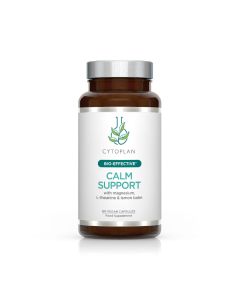
You can help to support healthy stress levels through a variety of mind-body practices such as deep-breathing, mindfulness and guided imagery, as well as social connections and regular exercise. Nutrients such as magnesium, L-theanine and lemon balm can also be supportive for calm and relaxation.
In summary, the gut-brain axis is a powerful and dynamic link between our digestive and mental health, with growing evidence showing that what we eat can profoundly influence how we feel, think, and function. By nourishing the gut with fibre-rich foods, fermented products, targeted probiotics, and anti-inflammatory nutrients—alongside supportive lifestyle habits like regular exercise, quality sleep, and stress management—we can help foster a resilient microbiome and a balanced mind.
- Lee CH, Giuliani F. The Role of Inflammation in Depression and Fatigue. Front Immunol. 2019 Jul 19;10:1696. doi: 10.3389/fimmu.2019.01696. PMID: 31379879; PMCID: PMC6658985.
- Petrut SM, Bragaru AM, Munteanu AE, Moldovan AD, Moldovan CA, Rusu E. Gut over Mind: Exploring the Powerful Gut-Brain Axis. Nutrients. 2025 Feb 28;17(5):842. doi: 10.3390/nu17050842. PMID: 40077713; PMCID: PMC11901622.
- White RL, Vella S, Biddle S, Sutcliffe J, Guagliano JM, Uddin R, Burgin A, Apostolopoulos M, Nguyen T, Young C, Taylor N, Lilley S, Teychenne M. Physical activity and mental health: a systematic review and best-evidence synthesis of mediation and moderation studies. Int J Behav Nutr Phys Act. 2024 Nov 28;21(1):134. doi: 10.1186/s12966-024-01676-6. PMID: 39609855; PMCID: PMC11603721.
- Chen Y, Chen X, Lin S, Huang S, Li L, Hong M, Li J, Ma L, Ma J. Effects of psychological stress on inflammatory bowel disease via affecting the microbiota-gut-brain axis. Chin Med J (Engl). 2025 Mar 20;138(6):664-677. doi: 10.1097/CM9.0000000000003389. Epub 2025 Feb 18. PMID: 39965932; PMCID: PMC11925421.
- Berding K, Vlckova K, Marx W, Schellekens H, Stanton C, Clarke G, Jacka F, Dinan TG, Cryan JF. Diet and the Microbiota-Gut-Brain Axis: Sowing the Seeds of Good Mental Health. Adv Nutr. 2021 Jul 30;12(4):1239-1285. doi: 10.1093/advances/nmaa181. PMID: 33693453; PMCID: PMC8321864.
-
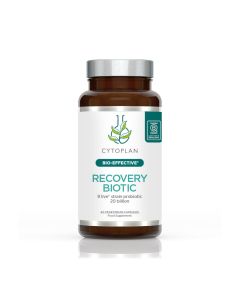
 In stockRecovery Biotic
High potency probiotic capsule with 20 billion live bacteria from 9 clinicall...
£49.99 -
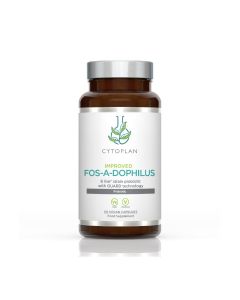 In stockFos-A-Dophilus Probiotic
A broad-spectrum daily probiotic from 6 clinically researched strains to supp...
£37.99 from