

How can I feel more alert and energised?
Feeling tired all the time and brain fog have unfortunately become commonplace in our fast-paced 21st century lives. The good news? There are achievable steps we can take, both through diet and lifestyle to help us feel our most effervescent selves again!
Stress
We are living in unprecedented times when, for many, levels of stress are at an all-time high. Be it emotional stress from financial worries, life events, divorce etc. or physical stress from poor diet, blood sugar imbalance, infections (to name but a few), it can take its toll on our long-term physical and mental health. Chronic stress has been linked to fatigue and brain fog, so taking steps to reduce your stress levels could help you to feel more alert and energised.
Spending time in nature, deep breathing, talking with friends, yoga, meditation and regular exercise are just a few of the lifestyle changes you can implement to help manage your stress levels.
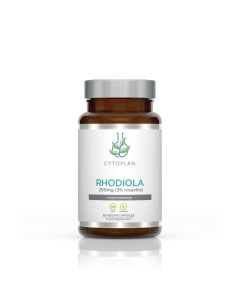
Adaptogenic herbs can help the body adapt to all kinds or stressors. These herbs, including Rhodiola rosea, Bacopa Monnieri, ginseng and Ashwagandha have demonstrated benefits to energy levels and mental alertness.
Exercise
When you’re feeling sluggish, exercise might be the last thing you feel like doing – but it could actually help to improve your energy levels and sharpen your mind. Regular exercise encourages your body to produce more mitochondria; the “powerhouses” of your cells – thereby increasing your natural energy supply. Exercise can also boost your circulation, delivering oxygen to your cells and tissues to allow them to function optimally.
You don’t need to go out and run a marathon – choose an activity you know you will enjoy and set small, realistic goals. This could be as little as a 10-minute brisk walk, which you can gradually build upon. Why not exercise with friends for the additional stress-busting benefits?
Diet
Glucose is our bodies’ main source of energy, but our typical Western diet; high in sugar and refined carbohydrates provides a concentrated supply of glucose that your body may not need or be able to use. The hormone insulin is responsible for maintaining a healthy blood sugar balance, by acting as a messenger to allow glucose in the blood to enter the cells to be used as fuel. After a meal rich in sugars or refined carbohydrates your blood sugar rises rapidly, insulin rushes in and you will often experience a resulting drop in blood sugar which can cause you to feel sluggish and tired.
To help maintain stable blood sugar levels and support balanced energy levels we recommend a “Low GI” or “Palaeolithic” diet with plenty of protein, fibre and healthy fats, whilst avoiding grazing throughout the day. Key nutrients such as Chromium and cinnamon can also be supportive.
Nutrients
- B Vitamins are often essential for several of the steps of energy production by the cells – so a deficiency can leave you feeling tired.
- Magnesium is essential for producing energy from food. It also plays an important role in sleep, by regulating the sleep hormone melatonin.
- Iron plays an important role in transporting oxygen through the blood to your body’s tissues, where it is used at a cellular level to make energy. Your GP can test your iron levels, but supplementing with the mineral can often be beneficial for menstruating women.
- CoEnzyme (Q10) plays an instrumental role in generating energy, but the body’s rate of production does decrease as we age so it can be beneficial to take it in supplement form - particularly for over 50s or those on statin medication.
A comprehensive multivitamin and mineral formula providing excellent levels of these nutrients is often a fantastic first option if you are lacking energy.
Hydrate
Maintaining proper hydration is essential to overall good health, and fatigue and poor concentration are typical signs of dehydration. You should aim to drink around 2L of water or herbal teas per day, but your needs might increase if you are in a hot climate or undertake regular exercise. Fruits and vegetables also offer a great source of water – which is just one of the many reasons to ensure you get 8 portions a day.
Caffeine
Many of us will reach for a cup of coffee when we are feeling tired or fuzzy headed. Although a cup of coffee can certainly make you feel more alert and energised straight after drinking it, caffeine can also interfere with your circadian rhythm and affect sleep if you drink too much of it, making you feel more tired in the long run. With that in mind, if you do drink coffee, we recommend you limit your intake to before 2pm, so as not to interfere with sleep…
Sleep
…and on that note, it is also important to remember the basics: if you are not achieving enough good-quality sleep then you are going to feel sluggish and tired. By implementing good “sleep hygiene” such as a regular sleep pattern and bedtime routine, keeping your bedroom dark, limiting use of electronics in the evening, and ensuring plenty of exposure to daylight through outdoor activities you will give yourself the best chance of waking refreshed and feeling alert and energised throughout the day.
-
 In stock
 -

 In stockCoQ10 Multi
A high-strength multivitamin and mineral enhanced with a phytonutrient-rich s...
£32.99 from -
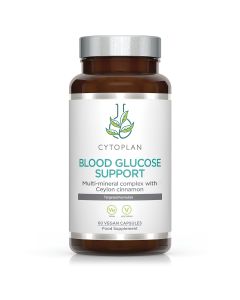
 In stockBlood Glucose Support
Targeted complex to support healthy blood glucose balance and metabolism. Wit...
£19.99 from