

Myth Busting – Can Vitamin C Prevent Colds and Flu?
Your immune system is your body’s natural defence against germs, toxins, and even harmful cells. It works through two main layers: innate immunity, which acts fast and provides general protection, and adaptive immunity, which learns to recognise and fight specific threats more effectively in the future. Both systems work together to keep you healthy, and if either is weakened, your body becomes more vulnerable. Vitamin C plays an important role in supporting both of these defences by helping immune cells function properly.
Vitamin C's role in supporting the immune system and its use in preventing/treating colds and other viruses has been the topic of many scientific studies for almost a century. Although it is well known that a deficiency of vitamin C, due to low dietary intake leaves us more susceptible to falling ill, the theory that you can reduce the risk of catching a virus by supplementing with high doses of vitamin C, on top of a healthy diet, is more questionable. Let’s have a closer look at how vitamin C supports our immune and overall health – and how best to supplement to stay healthy through cold and flu season.
What is Vitamin C?
Vitamin C, also known as ascorbic acid, is an essential vitamin, which means your body can’t produce it, so you need to get it from diet, through fresh fruit and vegetables such as strawberries, kiwis, peppers, broccoli and Brussels sprouts.
As well as its well-known role in immune health, vitamin C is used in several essential biological processes in the body, including:
Collagen synthesis: Collagen is an essential component of connective tissue, including our bones, muscles, tendons, blood vessels, body tissues, and teeth. Collagen also forms and repairs our skin and digestive tract tissue, two key barriers in our immune system’s first line of defence.
Antioxidant action: can limit the damaging effects of free radicals and has also been shown to regenerate other antioxidants in the body, such as vitamin E.
Iron absorption: improves the absorption of non-haem iron; the type that is present in plant-based foods. Research suggests that vitamin C promotes iron uptake and utilisation, and helps regulate iron metabolism, which is essential for the proper functioning of the immune system4
Vitamin C is also being studied for a protective role against several different chronic disease, including cardiovascular disease, osteoarthritis and neurodegenerative conditions, of which oxidative stress is often at the heart of.5
Let’s have a closer look at how vitamin C supports immunity...
What does the science say?1
As an antioxidant, vitamin C contributes to protecting immune cells known as neutrophils from oxidative stress during the early stages of an immune response, when neutrophils produce reactive oxygen species (ROS) to destroy pathogens such as bacteria or viruses. Vitamin C can protect the cell membranes of neutrophils to improve their motility and function.
When neutrophils have done their job and start to break down, vitamin C helps guide this process in a controlled way. It encourages natural cell recycling (apoptosis) instead of harmful cell decay (necrosis), which supports a smoother recovery and reduces inflammation.
Vitamin C also:
- supports the travel of immune cells to the sites of infection.
- shields lymphocytes (a key type of white blood cell, crucial for fighting infections) from damage caused by harmful free radicals. It plays an important role in helping these cells develop and work properly.
- helps your immune system by calming inflammation. It does this by reducing the production of substances that trigger inflammation, like certain cytokines (chemical messengers) and markers such as C-reactive protein (CRP)
- has an influence on the development and control of allergic disease, which characterised by an over-reaction of the immune system and increased oxidative stress. For example, studies suggest a protective role for vitamin C in asthma, with several studies reporting reduced oxidative stress markers, improved lung function, and decreased airway inflammation following regular intake or supplementation with vitamin C.4
The Common Cold
The common cold is one of the most widespread viral upper respiratory tract infections, characterised by coughing, tiredness, fever, sore throat, and muscle pain, which can last from a few days to 3 weeks. Despite symptoms usually being mild, the common cold is a major cause of absenteeism from school and work.
The popular myth that a very high intake of vitamin C may lead to a lower susceptibility to respiratory tract infections originates from Linus Pauling’s theories published in the seventies. According to Pauling, a daily vitamin C intake of 1,000 mg can reduce the incidence of colds by about 45% and the optimal daily intake of vitamin C to live healthily and prevent disease should be at least 2.3 g. After this, vitamin C sales almost doubled! However, further clinical research failed to demonstrate the same results and in general, modern authors refute Pauling’s findings mainly based on non-randomised controlled trials or incorrect application of animal studies to humans.
Prevention vs Duration
While a high daily dose of Vit C does not seem to prevent viral infections in the healthy population, it has shown benefits in terms of the duration of colds. Studies have demonstrated that small, long-term daily dose of vitamin C (no more than 1 g/day) to sustain immunity and a larger dose of vitamin C during the onset of the common cold (usually 3–4 g/day) is associated with the ability to relieve chest pain, fever, and chills, as well as the overall duration of disease.2
Who needs to take vitamin C?
Evidence suggests that vitamin C deficiency is becoming increasingly common worldwide, even in developed countries, so it is important to maintain an adequate intake to contribute to improved health and optimal immune function5.
There are certain population groups who need to be particularly mindful that they are getting a great intake, and where supplementation can be particularly supportive:
Children and adolescents
Children and adolescents are particularly susceptible to respiratory infections due to their immature immune systems which are further compromised by the increase in environmental pollution in recent years – with poor nutritional status further impairing immune health.
Elderly people
Elderly people are also more susceptible to viral infections due to decreased immune cell function. For example, common viral infections such as respiratory illnesses, that are usually self-limiting in healthy young people, can lead to the development of complications such as pneumonia in the elderly. Older people are at higher risk of micronutrient deficiency, including vitamin C.
Smokers
Smokers usually have lower plasma values than non-smokers, probably due to increased oxidative stress and higher turnover of vitamin C. Passive exposure to cigarette smoking and environmental pollutants can also reduce levels in the same way. Air pollution can damage respiratory tract lining fluid and increase the risk of respiratory disease, particularly in children and the elderly.
Vitamin C requirements are higher in women during pregnancy and lactation, to support the vitamin needs of baby’s growth and development.
People with digestive issues such as IBS and coeliac’s disease may be at a higher risk of vitamin C deficiency due to impaired absorption.
It’s also important to remember that colds and viruses can also lead to lower vitamin C levels due to the increased demands of the immune system during the infection response – so keeping your vitamin C levels topped up as you recover from an illness is very important to prevent you from falling ill again.
What’s the best dosage/form of Vitamin C?
In the UK, we are recommended to eat 5 portions of fruit and vegetables each day, which could provide around 200mg of vitamin C; a level thought to be sufficient to support health. However, estimates are that only 17% of UK adults are meeting these guidelines (and even fewer children), leaving the potential for deficiency.
As a water-soluble vitamin, which gets rapidly cleared by the kidneys, vitamin C is considered very safe up to doses of 1-2g per day. While vitamin C is generally well-tolerated, high doses (>2000 mg/day) may increase the risk of gastrointestinal side effects, including abdominal pain, flatulence, nausea, and diarrhoea.
Conventional vitamin C supplements, as ascorbic acid, are rapidly absorbed, and achieve peak plasma concentrations after 2-3 hours following ingestion, before being excreted. However, other forms of vitamin C have been developed to improve absorption, bioavailability, cell or tissue retention, tolerability, and may offer broader health benefits. These include3:
Mineral ascorbates (such as calcium or magnesium ascorbate) -
These “buffered” vitamin C supplements are less acidic than ascorbic acid, resulting in better gastrointestinal tolerability and may allow delivery of large doses with less gastric irritation.
Combination formulations -
Synergistic formulations with other antioxidants or micronutrients such as bioflavonoids, vitamin E, zinc or phytonutrients may enhance tissue uptake/retention, improve transport into cells, and protect oxidation of vitamin C that prolongs its retention in cells/tissues
In Summary...
Vitamin C plays an important role in immune function and can help to prevent colds and flu through its antioxidant, immune-modulatory, and anti-inflammatory properties. While taking high doses of vitamin C, alongside a healthy diet, doesn’t appear to prevent colds, it can sometimes be necessary to prevent a deficiency that can leave you more susceptible to falling ill. Higher doses of Vitamin C should be considered if you fall ill, when it might help to lessen the severity and duration of your symptoms.
I’ve heard about Vitamin C loading; could you tell me more about this?
I’ve heard about Vitamin C loading; could you tell me more about this?
How is it done?
Typically, oral loading involves taking 500 mg–1 g every hour until reaching bowel tolerance (loose stools), then reducing to a maintenance dose. Intravenous loading is used in clinical settings and requires medical supervision.
Why do people do it?
The goal is to boost vitamin C levels rapidly for immune support, reduce oxidative stress, and aid recovery. Some practitioners also use it as part of detox or bowel flush protocols.
Is it safe?
Vitamin C is water-soluble, so excess is excreted, but very high doses can cause nausea and diarrhoea, potentially increase the risk of kidney stones, and cause complications for those with conditions like hemochromatosis. The upper safe limit for most adults is about 2,000 mg per day.
Should I do it regularly?
No. Loading is intended for short-term therapeutic purposes and should be done under the guidance of a practitioner. For everyday health, a regular dose of up to 1g daily is generally sufficient.
References
1 Cerullo G, Negro M, Parimbelli M, Pecoraro M, Perna S, Liguori G, Rondanelli M, Cena H, D'Antona G. The Long History of Vitamin C: From Prevention of the Common Cold to Potential Aid in the Treatment of COVID-19. Front Immunol. 2020 Oct 28;11:574029. doi: 10.3389/fimmu.2020.574029. PMID: 33193359; PMCID: PMC7655735
2Ran L, Zhao W, Wang J, Wang H, Zhao Y, Tseng Y, Bu H. Extra Dose of Vitamin C Based on a Daily Supplementation Shortens the Common Cold: A Meta-Analysis of 9 Randomized Controlled Trials. Biomed Res Int. 2018 Jul 5;2018:1837634. doi: 10.1155/2018/1837634. Retraction in: Biomed Res Int. 2023 Apr 10;2023:9848057. doi: 10.1155/2023/9848057. PMID: 30069463; PMCID: PMC6057395.
3Dhotre T, Thanawala S, Shah R. Optimizing Oral Vitamin C Supplementation: Addressing Pharmacokinetic Challenges with Nutraceutical Formulation Approaches-A Mini Review. Pharmaceutics. 2025 Nov 11;17(11):1458. doi: 10.3390/pharmaceutics17111458. PMID: 41304796; PMCID: PMC12655283.
4Trincianti C, Naso M, Tosca MA, Ciprandi G. Vitamin C in Allergy Mechanisms and for Managing Allergic Diseases: A Narrative Review. Children (Basel). 2025 May 30;12(6):718. doi: 10.3390/children12060718. PMID: 40564676; PMCID: PMC12191256.
5Alberts A, Moldoveanu ET, Niculescu AG, Grumezescu AM. Vitamin C: A Comprehensive Review of Its Role in Health, Disease Prevention, and Therapeutic Potential. Molecules. 2025 Feb 6;30(3):748. doi: 10.3390/molecules30030748. PMID: 39942850; PMCID: PMC11820684.
-
 In stockImmune Support
High potency immune system support with vitamins A, C, D and zinc combined wi...
£30.49 -
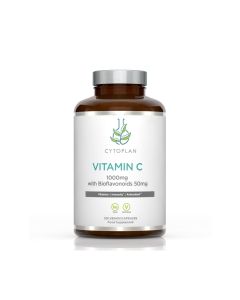
 In stockVitamin C + Bioflavanoids
High potency vitamin C (1000mg) with bioflavonoids in an easy to take capsule...
£16.49 from