

What are botanical and herbal tinctures?
Tinctures are concentrated liquid herbal extracts. The plant part that is used can vary from plant to plant – it may be bark, root, seed, leaf, fruit or a combination of these.
Tinctures are made by soaking the relevant plant part in alcohol, which extracts the active nutrients to form a concentrated liquid. This makes them readily available for your body to absorb. Tinctures are made at specific ratios of water, alcohol and plant material depending on the plant used.
What are the benefits of herbal tinctures?
Tinctures are quickly absorbed into the bloodstream and are a highly effective way to deliver a broad spectrum of beneficial phytonutrients to the body, in a highly concentrated form, and can be targeted at a range of areas of health. The method involved in making a tincture naturally preserves the beneficial actives. Tinctures can be an easy alternative for those who do not like taking tablets or capsules.
Now let us have a closer look at some of the key herbal tinctures available, along with their potential health benefits:
Elderberry (Sambucus nigra fructus) -
is known for its benefits to immunity and respiratory health, as well as exhibiting anti-viral action. Whilst containing Vitamin C itself, elderberry is often combined with Vitamin C in tinctures.
Safety - Elderberry is considered safe for children and adults, but the dosage does vary depending on age.
Echinacea -
Mainly known for its immune system benefits, having an action on innate immunity, assisting with resistance to infections, and being especially helpful in upper respiratory tract infection.
Safety - In the UK, the Medicines and Healthcare products Regulatory Agency recommends that echinacea should not be used in children under the age of 12.
Ginkgo Biloba -
has a long history of use in Traditional Chinese Medicine, but the use of its leaf is a more modern application. Benefits of ginkgo tree lead include supporting memory and concentration and circulation to the extremities.
Safety - Those taking anticoagulant or antiplatelet medication should avoid the use of ginkgo and it is advisable to stop taking ginkgo 5-7 days prior to surgery.
Horse Chestnut (Aesculus hippocastanum) -
contains a number of plant actives which act synergistically to benefit the venous system and can support conditions related to venous and lymphatic insufficiency such as chronic venous insufficiency, various veins and hemorrhoids.
Safety - If taking anti-coagulant or anti-platelet medication, caution is advised, and advice should be sought from a qualified medical practitioner before use.
Hawthorn (Crataegus laevigata) -
has a traditional use to support cardiovascular health, including blood pressure and circulatory disorders.
Safety - Those already using heart and blood pressure medication should seek advice from a qualified medical practitioner before taking crataegus.
-
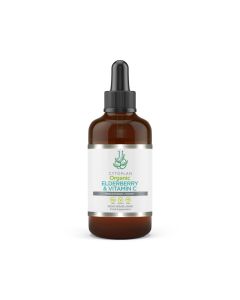
 In stockOrganic Elderberry & Vitamin C
Combining antioxidant-rich organic elderberry with vitamin C from acerola che...
£24.49