

What is the difference between pre, pro and post biotics?
The trillions of microorganisms that inhabit the human body, their genomes and metabolites, as well as the environment they live in, is known as our microbiome. Microorganisms that are part of our microbiome can be found throughout the body but are most abundant in our gastrointestinal tract. The human body provides a stable, nutrient-rich environment for the inhabiting microorganisms, and in return, receives a number of benefits such as strengthened immunity, improved digestion and absorption of nutrients, reduced growth of harmful bacteria and maintaining a healthy gut lining. These benefits can be observed not only in the gut, but throughout the body in all areas of health.
Likewise, when our microbiome becomes imbalanced – known as dysbiosis – often through factors such as antibiotic use, poor diet or stress, any number of chronic diseases can ensue, and as such supporting the microbiome can be key to supporting overall wellbeing. There are three key ways through which the microbiota can be modulated: through the use of prebiotics, probiotics and postbiotics.
Prebiotics are used by microorganisms as food, and, at the same time, can bring their own health benefits. They are specific types of fibre which can be digested by the gut microbiota, and by providing an energy source, can promote a diverse, healthy microbial balance. You can read more about the health benefit of prebiotics here.
Probiotics are live microorganisms which can help to regulate our gut flora and can, in turn, assist in digestion, vitamin production, providing structural integrity to the gut lining barrier, protection against pathogens, and serve as a communication centre. You can read more about the health benefit of probiotics here.
Postbiotics are the bioactive compounds that the probiotic bacteria produce when they consume prebiotics, which exert a beneficial effect on our health. These may include nutrients such as vitamins B and K, amino acids, and antimicrobial peptides that help to slow down the growth of harmful bacteria. Other postbiotic substances called short-chain fatty acids can help healthy bacteria flourish, reduce inflammation and support the health of your gut lining. Postbiotics have been shown to be protective against a range of chronic health conditions, to support healthy immunity and promote healthy digestive function.
The most effective way to increase your level of postbiotics is to ensure a diet rich in prebiotic foods such as onions, chicory, pomegranate, olives, baked apples and Jerusalem artichoke. Ensuring a highly diverse range of wholefoods in the diet, including as many different fruits and vegetables as you can, will also provide a range of prebiotics and support diversity in your gut and the production of postbiotics. You could also implement fermented foods such as kombucha, kefir, sauerkraut, kimchi and live natural yoghurt to your diet as they are a great source of probiotics, or perhaps consider a multi-strain probiotic supplement.
-
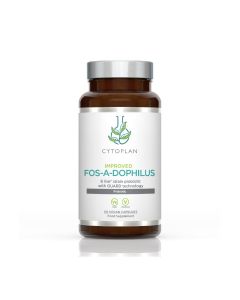
 In stockFos-A-Dophilus Probiotic
A broad-spectrum daily probiotic from 6 clinically researched strains to supp...
£37.99 from -
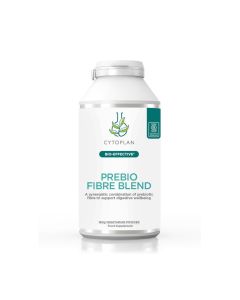
 In stockPreBio Fibre Blend
A synergistic prebiotic fibre blend to support microbiome diversity, balance ...
£47.49 -
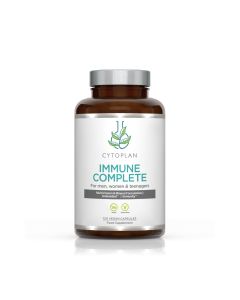
 In stockImmune Complete
A comprehensive multivitamin with a key focus on immune health, delivering op...
£31.49 from