
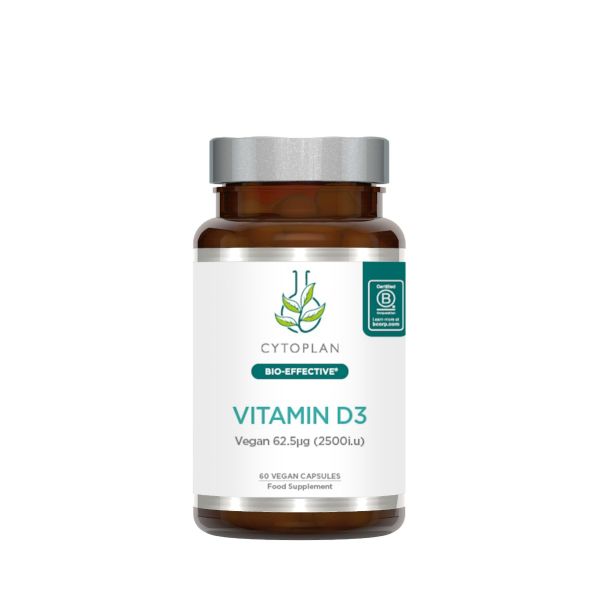

Vitamin D3
High-potency vegan vitamin D3, providing 2,500iu per capsule for daily immune and bone support.
- High potency D3 - 62.5µg
- For immune and bone support
- Vegan form sourced from lichen
Improved format
Now in an easy-to-swallow capsule, offering a cleaner and refined formulation and a more convenient alternative to traditional tablets.
High-potency vegan vitamin D3 at an optimal dose
Provides 62.5µg (2,500 IU) per capsule, delivering an optimal daily dose.
Immune & bone health
Supports optimal immune function and helps maintain healthy bones and teeth.
Vegan-friendly source
Derived from lichen, providing a plant-based form of vitamin D3 suitable for vegans.
About our vegan D3 capsules
High-potency, one-a-day vitamin D capsule providing 62.5µg (2,500 IU) of D3 sourced from lichen, a natural plant-based vitamin D suitable for vegans. The easy-to-swallow capsule format offers a convenient and improved alternative to traditional tablets. This optimal daily dose is designed to support overall health and wellbeing, particularly during periods of limited sunlight exposure.
Vitamin D3 (cholecalciferol) is the preferred form of vitamin D, shown to be more effective than vitamin D2 at raising and maintaining blood levels of vitamin D (25(OH)D).
Benefits of a vitamin D3 supplement
Vitamin D, often referred to as the “sunshine vitamin” as sunlight is needed for its synthesis, helps keep your immune system working at its best, supporting your body’s natural defences all year round. It plays a vital role in maintaining strong bones and teeth by helping your body absorb and use calcium effectively. It also supports normal muscle function and contributes to healthy cell renewal. Keeping your vitamin D levels topped up is especially important during the darker months or if you get limited sunlight.
Who should consider taking a vegan vitamin D3 supplement?
Many people are at risk of low vitamin D levels. This includes those with limited sun exposure, such as individuals who spend more time indoors, wear covering clothing, or regularly use sunscreen, as well as those living in northern climates.
People with darker skin tones may also be at increased risk, as well as individuals with certain health conditions, including coeliac disease or obesity. Vegans, vegetarians or those on low-vitamin D diets are vulnerable, as are those taking medications that may affect absorption. Additionally, babies and young children, as well as pregnant and breastfeeding women, have increased requirements. Children should use age-appropriate formulations, please see our dedicated children’s products.
Supplementation is often recommended, particularly during the autumn and winter months or for those in higher-risk groups.
1 capsule daily, or as directed by a practitioner.
| Active Nutrient | Strength | %NRV* |
| Vitamin D3 | 62.5µg | 1250 |
|
+NRV = Nutritional Reference Value * Indicates no NRV |
||
Anti-caking agent (microcrystalline cellulose, medium chain triglycerides), capsule shell (hydroxypropyl methylcellulose), vitamin D3 (cholecalciferol)
Vegetarians, vegans and people with Candida and yeast sensitivities.
None.
microcrystalline cellulose, medium chain triglycerides, plant cellulose
GMO, wheat, soy, dairy, added sugar, flavourings & colourings.
Keep cool, dry and out of direct sunlight.
Inspired by nature, backed by science, loved by you
Excellent

Looking for FREE tailored advice?
Our on-site team of Nutritional Therapists is here to answer your health questions.
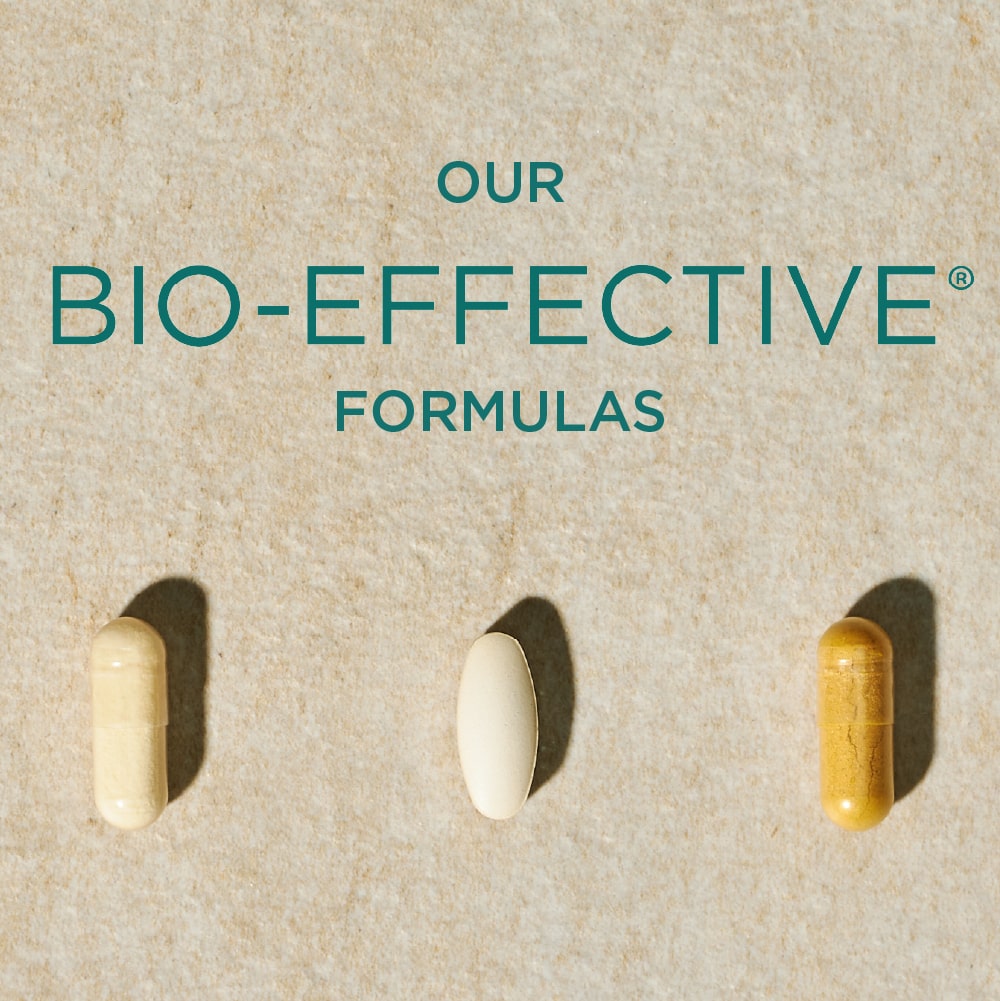
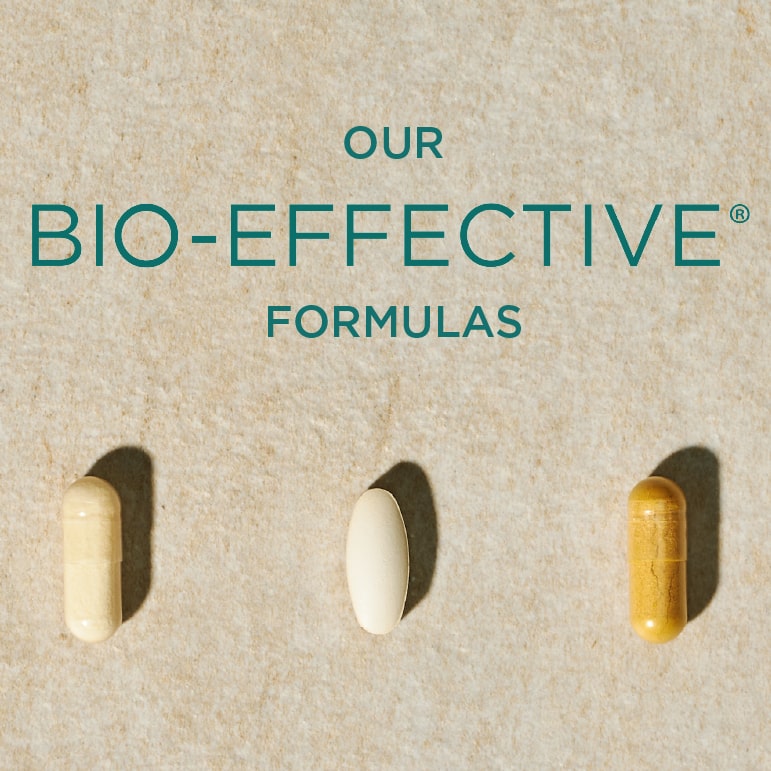
Bio-Effective® Supplements
Our Bio-Effective® formulas are optimally absorbed and recognised by your body, so they can be used exactly where they’re needed most.
Formulated by Nutritional Therapists, we use only what’s needed to create clean products, free from unnecessary additives.
We combine nutrients and wholefoods with purpose, working in synergy with the body and harnessing the power of nutrition science and nature - resulting in exceptional products that make a real, lasting difference to health.
 Optimum potency for optimum health
 Premium ingredients that work
 Clean products, with no unnecessary extras
 Unique formulations backed by science
Practitioner Recommended
For over 35 years, our community of 6,000+ practitioners have used Cytoplan products to support their clients. All formulations can be used in a clinic setting, but are designed to benefit everyone.


As featured in





 Ethically driven, charity-owned
Every purchase channels money to support health and wellbeing projects across the UK
Ethically driven, charity-owned
Every purchase channels money to support health and wellbeing projects across the UK
 Practitioner recommended
For over 35 years, our community of 6,000+ practitioners have used Cytoplan products to support their clients
Practitioner recommended
For over 35 years, our community of 6,000+ practitioners have used Cytoplan products to support their clients
 Independently tested & UK made
From our manufacturing facility in Worcester, we operate to the highest food quality standards
Bio-Effective® supplements
Our Bio-Effective® formulas are optimally absorbed and recognised by your body
Independently tested & UK made
From our manufacturing facility in Worcester, we operate to the highest food quality standards
Bio-Effective® supplements
Our Bio-Effective® formulas are optimally absorbed and recognised by your body
FAQ’s
Why have we changed to capsules?
We have updated this product to a vitamin D3 capsule that provides 62.5µg (2,500 IU) of vitamin D3. The new easy-to-swallow capsule allows for a cleaner, more refined formulation with fewer excipients, and is now sourced from lichen as part of our commitment to high-quality, vegan-friendly ingredients.
Importantly, the potency and effectiveness remain unchanged, reflecting our ongoing commitment to improving our formulations without compromising on efficacy.
What is vegan vitamin D?
Vegan vitamin D3 is a plant-based source derived from lichen, a natural organism formed from a symbiotic relationship between algae and fungi. Unlike standard vitamin D3, which is typically sourced from lanolin (sheep’s wool), lichen-derived D3 is completely free from animal products, making it suitable for vegans and those following plant-based lifestyles. Lichen naturally produces vitamin D3 when exposed to sunlight, similar to how human skin makes vitamin D. This allows it to provide the same biologically active form of vitamin D3 that the body recognises and uses effectively.
How much vegan D3 should I take per day?
Vitamin D requirements can vary depending on lifestyle, diet, and sun exposure, and many people may benefit from a higher daily intake, particularly during the autumn and winter months. Providing 62.5µg (2,500 IU) of vitamin D3, this formula delivers an optimal daily amount to help maintain healthy vitamin D levels and support overall wellbeing, especially for those with limited sun exposure or increased needs. If taking other supplements containing vitamin D, please check your total daily intake. For a more personalised approach, please do get in touch with one of our Nutritional Therapists. Vitamin D levels can be easily tested, helping to guide appropriate supplementation.
Why is vitamin D important for vegans?
Vitamin D is important for everyone, but it can be more difficult to obtain through a vegan diet, as many natural food sources are animal-based. As a result, those following a vegan or plant-based lifestyle may have an increased need to ensure adequate intake. While the body can produce vitamin D from sunlight, levels can drop during the autumn and winter months or with limited sun exposure, making it harder to maintain optimal levels through diet and lifestyle alone.
Why do I need vitamin D?
Vitamin D is a vital nutrient for supporting normal immune and nervous system function, cellular health and division, muscle function and calcium absorption for healthy bone and teeth.
Which is best - Vitamin D2 or D3?
Vitamin D3 (cholecalciferol) is the preferred form of vitamin D and has been shown to be more effective at raising blood levels of vitamin D (25(OH)D or calcidiol) than vitamin D2 (ergocalciferol).
Who is at risk of a vitamin D deficiency?
Many people are at risk of vitamin D deficiency, particularly those with darker skin, limited sun exposure due to spending more time indoors, covering up with clothing using sunscreen, or living in northern climates. People with certain health conditions (coeliac disease, obesity) may also struggle to maintain adequate levels. Vegans, vegetarians or those on low-vitamin D diets are vulnerable, as are those taking medications that may affect absorption. Babies and young children, pregnant and breastfeeding women also have increased needs. Supplementation is recommended, especially in winter months or for those in high-risk groups.