

Are electrolytes worth their hype?
Social media would have you believe that electrolytes are “the next big thing” and a must-have supplement for optimal health and wellness that we all need to get on board with. But do we...? Well yes, and no. Electrolytes can certainly be supportive in certain situations, but if you’re confused about whether or not you should be taking them, then we’re here to help!
What are electrolytes?
Well firstly, despite the hype electrolytes are nothing new - these minerals have always been around, in our bodies and our food and drink.
Electrolytes are salts and minerals that, when dissolved in a liquid (like water or body fluids), separate into ions that carry either a positive or negative electrical charge. The main electrolytes are sodium, potassium and chloride as well as magnesium, calcium, phosphorous and bicarbonate.
What are the functions of electrolytes?
- Balancing the levels of fluids in our bodies
- Maintaining the pH level of our blood
- Transporting nutrients into and waste materials out of our cells
- Activating muscles to contract, including regulating our heartbeat
- Transmitting nerve signals
- Supporting blood clotting
How do electrolytes keep you hydrated?
As mentioned, electrolytes balance the level of fluids in our body – be it in our blood, cells or the fluid around our cells. If there is a high concentration of electrolytes in an area, fluid will move in via osmosis. Likewise, if the electrolyte concentration is low, fluid moves out of that area. The body can effectively move electrolytes in or out of our cells and having the right balance of electrolytes is important to maintain the right balance of fluid throughout the body.
Our kidneys help to maintain homeostasis by filtering electrolytes and water from the blood, returning some to the blood, and excreting any excess into the urine. The kidneys also respond to hormones that help regulate electrolyte balance. For instance, the hormone aldosterone signals the kidneys to reabsorb more sodium and excrete more potassium, while the parathyroid hormone signals the kidneys to reabsorb more calcium.
We can see that our amazing bodies are fully adept at balancing our electrolyte levels...
So, do I need to take electrolytes?
Perhaps, or perhaps not...it depends on your individual circumstances.
The main way we lose electrolytes is through bodily fluids, so healthy people can be at risk after bouts of sickness and diarrhoea and should take steps to replace their electrolytes. But there are other times when increasing your electrolyte intake can be helpful:
Exercise
Your need for electrolytes will vary, depending on the duration of your exercise session, plus the level of intensity. As little as 1-2% dehydration can negatively impact flexibility, speed, endurance, muscle and mental function, so it is important to stay well hydrated to avoid this.¹
Generally speaking, if you've done a moderate workout, for less than an hour, rehydrating and replenishing with water and electrolyte rich foods (see below) should suffice. However, if you've done prolonged exercise, at a high intensity or in a hot climate, you will be sweating lots, which loses both water and electrolytes. In this instance, an electrolyte supplement can help to replace those lost through sweating, help to prevent dehydration and improve exercise performance.
Hot climates
Again, extreme weather can cause you to sweat more, which results in the loss of both water and electrolytes. If you’ve spent too long in the sun, or been active in a hot climate, drinking water with added electrolytes can help to prevent dehydration and support electrolyte balance.
Alcohol
As we know, electrolytes are lost as the body loses fluid, and as well as sweating, this can happen through urination. Alcohol is a diuretic, which means that it increases our urine production. As well as this, alcohol decreases kidney function and suppresses the release of the antidiuretic hormone vasopressin, which controls how much water the kidneys reabsorb and retain. This reduces fluid retention and increases urination.
You can reduce the dehydrating effects of alcohol by sipping water or an electrolyte rich drink in between alcoholic drinks, and before you go to bed. And while replenishing electrolytes and rehydrating won’t prevent the dreaded hangover, it certainly might lessen the symptoms and help you to feel more human!
Weight and body composition
Muscle tissue stores significantly more water than fat tissue (around 75% compared to just 10% in fat). Someone carrying less body fat and more muscle will generally have a higher water content in their body than someone who’s carrying more fat and less muscle. If you’re in the latter group, electrolytes might be useful to help you to stay hydrated.
Age²
Physiological changes as we age can leave older people more susceptible to dehydration and electrolyte imbalances. This can be due to any number of factors such as lower muscle mass, reduce kidney function, use of medication such as diuretics, a blunted thirst response and even hormonal changes. Those over the age of 65 may benefit from taking added electrolytes.
How do I know if I’m low in electrolytes?
You may experience a range of different symptoms, depending on which electrolyte is out of balance, but symptoms can often include:
- Dry mouth or thirst
- Fatigue
- Headache
- Dizziness and light-headedness
- Confusion of cognitive impairment
- Numbness or tingling
- Slow, irregular or racing heartbeat
- Muscle weakness or cramps
- Digestive complains such as nausea or constipation
- Dry or itchy skin
Of course, many of these symptoms could be attributed to a number of different health conditions, and if they don’t improve after rehydrating, or you experience them over a long period of time, always visit your GP.
How can I increase my electrolyte intake?
If you are in good health generally, drink plenty of water, eat a healthy balanced diet and have moderate activity levels, then you might not need to focus on getting extra electrolytes. However, if you do feel as though you need some extra support you can boost your electrolyte intake in the following ways.
Drink water
Although the concentrations will differ, depending on where you are in the county, regular tap water contains dissolved minerals, and drinking 2–3 L of tap water can contribute over one-third of recommended daily calcium and magnesium requirements³.
Natural electrolyte drinks
Commercial electrolyte drinks often contain large amounts of caffeine, which can be dehydrating. They often contain sugar or artificial sweeteners, as well as other chemicals that can negatively affect our health – so you should always opt for water or one of the natural electrolyte drinks below:
-
Coconut water
-
Bone broths
-
Pickle juice
-
Fruit and vegetable juices/smoothies
-
Lemon water with sea salt – adding a pinch of sea salt or Himalayan pink salt and a squeeze of lemon juice to your water makes a great, homemade electrolyte drink
Electrolyte rich foods
A healthy, varied, plant-focussed diet will provide a great level of electrolytes naturally. Foods such as leafy greens, potatoes (in their skins), avocado, sweet potatoes, bananas, dried fruits, dairy products, beans, lentils, nuts and seeds are all great sources and are going to help to support overall optimal health.
Refs
-
Cleary MA, Sitler MR, Kendrick ZV. Dehydration and symptoms of delayed-onset muscle soreness in normothermic men. J Athl Train. 2006 Jan-Mar;41(1):36-45. PMID: 16619093; PMCID: PMC1421497.
-
El-Sharkawy AM, Sahota O, Maughan RJ, Lobo DN. The pathophysiology of fluid and electrolyte balance in the older adult surgical patient. Clin Nutr. 2014 Feb;33(1):6-13. doi: 10.1016/j.clnu.2013.11.010. Epub 2013 Nov 22. PMID: 24308897.
-
Michael KGFT, Somani BK. Variation in Tap Water Mineral Content in the United Kingdom: Is It Relevant for Kidney Stone Disease? J Clin Med. 2022 Aug 30;11(17):5118. doi: 10.3390/jcm11175118. PMID: 36079045; PMCID: PMC9457372.
-
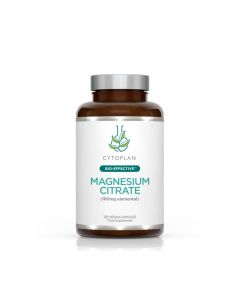
 In stockMagnesium Citrate
High potency, well-absorbed magnesium in citrate form, supports energy, nervo...
£24.49 -

 In stockWholefood Multi
Comprehensive multivitamin and mineral supplement with wholefood nutrients. <...>
£25.49 from -
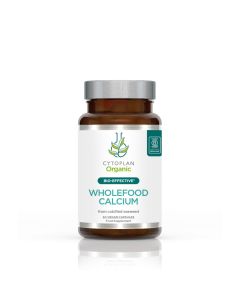 In stockOrganic Wholefood Calcium
Organic Wholefood Calcium is a highly soluble natural calcium supplement for ...
£18.49 from -
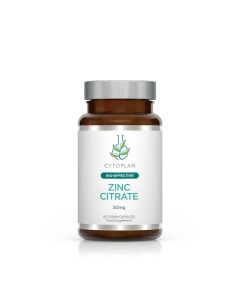
 In stockZinc Citrate
High-strength, well-absorbed zinc citrate to support immunity, cognition, and...
£13.99 from