

How can I support mood during PMS?
Premenstrual syndrome (PMS) affects millions of women worldwide: an estimated 75-90% of menstruating women suffer every month with a decline in social, mental and physical wellbeing, directly impacting on quality of life. Symptoms occur during the luteal phase of the menstrual cycle (between ovulation and menstruation) and can include mood swings, fatigue, headaches, breast tenderness, disturbed sleep, acne and abdominal pain and bloating – amongst others.
There is no single known underlying cause of PMS, but it is likely that symptoms could be related to hormonal imbalances, poor diet and nutritional deficiencies, exposure to environmental toxins, inflammation, and blood sugar imbalance. The good news – there are a range of dietary, supplement and lifestyle changes you can implement to help you feel balanced throughout your menstrual cycle.
Diet
Follow an anti-inflammatory diet: Plenty of vegetables, some fruit, good sources of protein, healthy fats and fibre and minimise sugar, refined carbohydrates, hydrogenated fats, alcohol and processed foods. This way of eating also promotes balanced blood sugar and supports digestive health, both of which can support hormonal balance.
Fibre – including plenty of fibre sources such as beans and legumes, nuts and seeds, oats, wholegrains and vegetables will support gut health and help to support hormonal balance by binding to excess oestrogen and carrying it out of the body.
When you don’t consume an ample daily supply of the following essential nutrients, PMS symptoms may develop or intensify:
Calcium and Vitamin D – low levels of these nutrients during the luteal phase have been identified in cases of PMS, and supplementing has been shown to reduce the severity of symptoms.
Magnesium – plays an important role in supporting energy levels, refreshing sleep, a balanced stress response and to support muscle relaxation – so could help with a wide range of PMS symptoms
Vitamin B6 – when combined with magnesium, this vitamin has demonstrated a reduction in mood-related PMS symptoms. B6 is also involved in the production of the feel-good neurotransmitter serotonin.
Omega 3 fatty acids – the essential fatty acids EPA and DHA have demonstrated a reduction in both the psychiatric symptoms of PMS such as anxiety and a lack of concentration, as well as symptoms such as bloating, headache and breast tenderness.
Supplements
Agnus Castus – this herbal product has traditionally been used for a wide range of problems linked to female hormonal imbalance – and can be traced back to the days of Hippocrates, 2500 years ago! Recent trials have demonstrated an alleviation in PMS symptoms such as breast pain, irritability, low mood and headaches in those taking Agnus Castus.
Evening Primrose Oil – a rich source of the fatty acid, GLA which demonstrates a variety of anti-inflammatory properties and has been shown to reduce the severity of PMS symptoms.
Probiotics – the gut microbiome can play a central role in the regulation of oestrogen levels in the body, and supporting the diversity of your gut bacteria with a broad-spectrum probiotic can be supportive against a number of hormone related conditions.
Lifestyle
Exercise can decrease symptoms of PMS such as abdominal pain, fatigue and low mood. Be this aerobic exercise or yoga, which can bring additional stress-relieving benefits – find an exercise you enjoy and can do regularly.
Sleep – hormonal fluctuations before your period can affect your sleep patterns, and likewise, poor sleep can make PMS symptoms worse. Ensure you implement great sleep hygiene such as sticking to a regular bedtime, ensuring your bedroom is cool and dark, and limiting screen time in the hours before bed.
Limit your exposure to toxins. Xeno-oestrogens are endocrine disrupting chemicals that can bind to the oestrogen receptors in our body, causing an imbalance in our sex hormones. Sources include, but are not limited to plastic bottles and containers, cosmetics, household cleaning products, pesticides and fertilisers. Choose organic and natural products, and glass containers where possible.
-
 In stockOmega Balance
Omega Balance is an omega 3 and 6 supplement for women, combining omega 3 wit...
£33.99 from -
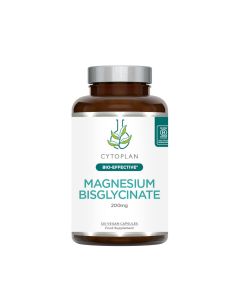
 In stockMagnesium Bisglycinate
Highly Bio-Effective® pure magnesium bisglycinate - an absorbable, gentle fo...
£14.99 from