

How can I support my health during acute infections?
Our digestive system is coated with a layer of microbes which play an essential role in many aspects of health including immunity, digestion, cognitive function, weight management and inflammation. Known as our microbiome, this layer is made up of a fine balance of different micro-organisms, living in harmony with each other with no species dominating. Whilst undoubtedly having the ability to clear pathogenic infections, most of the antibiotics available on the market have a broad spectrum of action; they affect not only harmful bacteria, but also the healthy ones.
Antibiotics have the potential to reduce microbe diversity and disrupt the balance of the microbiome, which can persist long-term and has the potential to be detrimental to health. For example, antibiotic associated diarrhoea is a common adverse effect and occurs in 5%-39% of patients. As such, it is important to support the microbiome both during and after antibiotic treatment.
You can support a balanced microbiome by ensuring a good level and variety of dietary fibre, which will provide a range of prebiotics – specific fibres that can be digested by your gut bacteria to promote the growth and diversity of the microbiome. You can read more about sources of prebiotics in our previous “ask the expert”. Probiotic foods such as kefir, sauerkraut and natural live yoghurt – which provide a natural source of beneficial bacteria, can also be supportive.
We would also recommend taking a multi-strain probiotic supplement to help maintain balance in your microbiota. Whist taking antibiotics, ensure you leave at least 3 hours between your medication and the probiotic – and continue to take for at least 2 weeks after finishing your course of antibiotics, or as long as any symptoms persist.
Saccharoymces Boulardii is a unique probiotic yeast that has been safely used to support gastrointestinal health for centuries. It does not colonise in the digestive tract but can modulate the microbiome to provide support against a number of pathogenic bacterial and yeast infections. S.Boulardii is ideal for use following antibiotic therapy, particularly in the case of antibiotic-associated diarrhoea.
An optimal immune response depends on an adequate diet and nutrition in order to keep infection at bay, so as well as supporting your microbiome, it is important that you have a great source of nutrients to enhance your natural immunity and aid recovery. For example, sufficient protein intake is required for optimal antibody production. Low micronutrient status, such as of vitamin A or zinc, has been associated with increased infection risk.
Frequently, poor nutrient status is associated with inflammation and oxidative stress, which in turn can impact the immune system. Nutrients with especially high anti-inflammatory and antioxidant capacity include vitamins C and E. Vitamin D is associated with both innate and acquired immunity to protect us from bacterial infections and improve the performance of our immune systems. β-1,3/1,6-Glucans can support our defense against pathogens by modulating the inflammatory and antimicrobial action of our immune cells.
More information on the key nutrients to support immunity are outlined in our previous “ask the expert”.
-
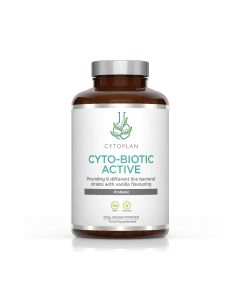
 In stockCyto-Biotic Active
Daily broad spectrum probiotic powder with prebiotics. With 3 billion live ba...
£30.99 from -
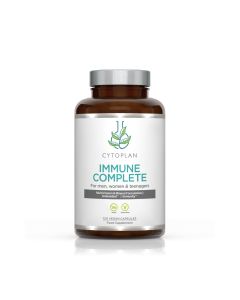
 In stockImmune Complete
A comprehensive multivitamin with a key focus on immune health, delivering op...
£31.49 from -
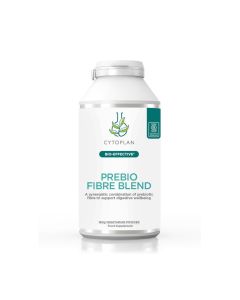
 In stockPreBio Fibre Blend
A synergistic prebiotic fibre blend to support microbiome diversity, balance ...
£47.49