

What is vitamin B12 and who should take it?
Vitamin B12 is an essential water-soluble vitamin that participates in the metabolism of every cell in the human body, and is used for well over 100 essential daily functions, including:
- Energy Production
- DNA synthesis
- Red blood cell formation
- Amino acid and fatty acid metabolism
- Normal nervous system function
- Detoxification
For this reason, vitamin B12 deficiency can lead to a wide range of signs and symptoms, including:
- Fatigue
- Muscle weakness
- Headaches
- Low mood
- Nerve issues like tingling and numbness
- Impaired vision
- Problem with balance
As a water-soluble vitamin, the body does not store B12 and so we need to get a good level in our daily diet. Vitamin B12 is predominantly found in foods of animal origin and is absorbed into the body through a set of highly complex digestive processes and consequently low levels can often be observed even when there is adequate dietary intake. There are certain factors that can increase the risk of vitamin B12 deficiency. These include:
Vegan and Vegetarian diets – those following plant-based diets are at risk of vitamin B12 deficiency because in food, it is primarily bound to animal proteins. Vegans must obtain their vitamin B12 either from regular use of vitamin B12-fortified foods or from a regular B12 supplement. It should be noted, however, that food fortification typically uses the synthetic form of vitamin B12; cyanocobalamin – which may not be as readily absorbed as the natural forms of the vitamin, as discussed below.
Age – vitamin B12 deficiency is common among the senior population. This is likely to be due to a combination of factors such as dietary insufficiency, a low level of stomach acid, which is essential for the digestion and absorption of B12 and the use of certain prescription medications.
Hypochloridria (low stomach acid) – sufficient stomach acid is needed to release vitamin B12 from food. Several factors such as older age and the use of proton pump inhibitors or antacids can reduce our stomach acid levels.
Malabsorption - B12 is absorbed in the small intestine and so inflammatory conditions such as ulcerative colitis, Crohn’s or coeliac disease, which can cause damage to the cells lining the intestine, could impede B12 absorption.
There are three natural forms of vitamin B12: hydroxocobalamin, methylcobalamin and adenosylcobalamin. These forms of B12 have all been shown in clinical studies to improve vitamin B12 status. They are bioidentical to the B12 forms occurring in human physiology and their use is preferable to cyanocobalamin (a synthetic B12 compound used for food fortification and in some supplements) due to their superior bioavailability and safety. You can read more about the three natural forms of vitamin B12 that Cytoplan use in their supplements here.
-
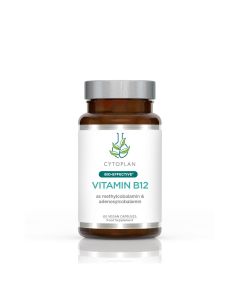
 In stockVitamin B12
High potency vitamin B12 capsules to support optimum levels of this vital nut...
£10.99 from -
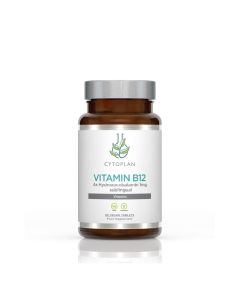
 Out of stockVitamin B12 Non-Methylated
High-potency B12 in its neutral, non-methylated hydroxocobalamin form. Sublin...
£12.99Out of stock -
 In stock