
Hormones and mood swings: Understanding how your hormones influence your emotional wellbeing
Ever noticed your mood shift for no obvious reason; snappy one moment, tearful the next, then completely fine again? You’re not imagining it. Hormones can have a powerful influence on how you think, feel and respond to the world around you.
While many people associate hormonal mood swings with the menstrual cycle, the truth is more complex. Hormones affect everyone, women, men, and people of all ages. From PMS and PMDD to perimenopause, even the male hormone cycle and andropause, hormonal fluctuations can shape emotional wellbeing in ways we often don’t recognise.
In this article, we’ll explore how hormones influence mood, why changes happen across the menstrual cycle, how to spot hormone imbalance symptoms, and what both women and men can do to support healthy hormone balance naturally.
Hormones and mood swings: The connection between your mind and your hormones
Hormones are chemical messengers that influence almost every system in the body, from metabolism and sleep to energy, stress response and emotional regulation. For many women, the link between menstrual cycle hormones and mood is unmistakable. PMS, PMDD and perimenopausal mood changes are widely recognised experiences, yet often misunderstood.
While hormonal fluctuations are normal, persistent or severe symptoms may indicate a hormonal imbalance. Understanding the signs and knowing how nutrition and lifestyle can support hormone balance can help you feel more in control of your emotional wellbeing.
How hormones influence mood
Hormones interact closely with the brain’s neurotransmitters, influencing how we feel, think and respond to stress. Several hormones play a central role in mood regulation (Kale 2025):
Oestrogen supports serotonin and dopamine activity, two neurotransmitters associated with happiness, motivation and emotional stability. When oestrogen levels drop (such as before a period or during perimenopause), some people experience low mood, irritability or increased anxiety.
Progesterone has a calming effect for many people. It interacts with GABA receptors in the brain, which support relaxation and sleep. Changes in progesterone and serotonin levels during the menstrual cycle can contribute to mood swings, anxiety or disrupted sleep.
Testosterone is often associated with men but also plays a role in women’s health. It influences motivation, confidence, libido and energy. Low testosterone levels, whether in men or women can contribute to low mood, fatigue and reduced resilience.
Cortisol is the body’s primary stress hormone. Chronic stress can disrupt the balance of other hormones, contributing to mood swings, sleep issues and emotional overwhelm.
This is why hormonal changes, at any stage of life can have such a noticeable impact on emotional wellbeing.
Female menstrual cycle stages and their impact on mood
The menstrual cycle typically has four phases, each with its own hormonal pattern.
Phase 1: Menstrual (Days 1–5)
Oestrogen and progesterone are at their lowest during this phase.
Lower hormone levels are associated with irritability, fatigue and low mood. Physical symptoms such as cramping and bloating may further affect emotional wellbeing.
Phase 2: Follicular (Days 1–14)
Oestrogen levels begin to rise, which is linked with increased energy, motivation and a more positive mood.
Phase 3: Ovulation (Around Day 14)
Oestrogen and testosterone levels peak around ovulation, which is associated with greater confidence, sociability and increased libido.
Phase 4: Luteal (Days 15–28)
After ovulation, progesterone increases, which can bring feelings of calm and relaxation. In the second half of this phase, oestrogen and progesterone then drop sharply before menstruation. This is when PMS symptoms may appear, including irritability, anxiety, low mood, cravings and fatigue.
It is important to remember that not all women will experience their cycles the same, and hormonal fluctuations in every stage can contribute to changes in mood.
Common symptoms of hormone imbalance
Hormone imbalance symptoms can be emotional, physical or both.
Emotional symptoms
- Mood swings
- Anxiety or low mood
- Irritability
- Difficulty concentrating
- Low motivation
Physical symptoms
- Fatigue
- Sleep disruption
- Headaches
- Changes in appetite
- Reduced libido
When to check for hormonal imbalance
If mood swings are severe, persistent, or interfere with daily life, it may be worth speaking with a healthcare professional. Hormonal imbalance symptoms can overlap with other health concerns, so a personalised assessment is important.
How PMS and PMDD affect mood
What is PMS (Premenstrual Syndrome)?
PMS is a common condition that affects many women in the days or weeks leading up to their period. It can cause a mix of emotional and physical symptoms including:
- Mood changes
- Fatigue
- Irritability
- Bloating
- Headaches
- Breast tenderness
What is PMDD (Premenstrual Dysphoric Disorder)?
PMDD is a severe form of PMS that mainly affects mood and emotional wellbeing. Symptoms appear in the days or weeks before a period and usually ease once menstruation starts. Unlike typical PMS, PMDD can have a significant impact on daily life, relationships and work. Symptoms include:
- Significant mood changes
- Depression
- Anxiety
- Anger
- Difficulty concentrating
PMDD differs from other mood disorders as the symptoms follow a clear monthly pattern linked to the menstrual cycle, rather than being present all the time. (Reilly 2024)
Why hormonal changes affect mood before a period
PMS isn’t caused by “abnormal” hormone levels. Instead, research suggests that some women are more sensitive to normal monthly hormone changes, particularly progesterone and its effects on the brain. This sensitivity can affect mood-regulating chemicals in the brain, helping explain why PMS symptoms can feel intense and disruptive, even when hormone levels are within a normal range. (Robinson 2025)
Perimenopause and mood swings
What is perimenopause?
Perimenopause is the transitional stage leading up to menopause, marked by changes in menstrual cycle regularity and hormone patterns. It can begin several years before periods stop altogether and is a time when many women notice new or worsening physical and emotional symptoms. Perimenopause is a distinct life stage, rather than simply “early menopause,” with its own health considerations
Hormonal changes during perimenopause
During perimenopause, hormone production becomes more variable, particularly oestrogen, which can affect brain systems involved in mood regulation and increase emotional vulnerability.
Common mood changes in perimenopause
Women in perimenopause are around 40% more likely to experience depressive symptoms compared with those who are premenopausal. This increased risk is specific to perimenopause and was not seen after menopause. (Mueller 2024)
Women in early perimenopause may experience higher stress levels, be more bothered by anxiety and low mood, and have poorer emotional wellbeing compared with other menopausal stages. (Badawy 2024)
Not everyone will experience these symptoms, but research consistently shows perimenopause as a time of increased emotional vulnerability, particularly for women with prior mood sensitivity or high life stress. These symptoms are real, biologically influenced, and deserving of support, not something to “push through”.
Hormones and mood in men: Understanding Andropause
Hormonal mood changes aren’t exclusive to women. Men also experience hormonal shifts that can influence emotional wellbeing.
Understanding the male hormone cycle
Unlike female hormones, which follow a monthly cycle, male hormones operate on a daily rhythm. Testosterone, the main male sex hormone, naturally rises overnight and is highest in the morning, before gradually declining through the day. This daily pattern influences energy, focus, motivation, libido and mood.
What is andropause?
Andropause refers to the gradual, age-related decline in testosterone that some men experience, typically from their 40s onwards. Unlike menopause, there is no sudden hormonal “switch-off”. Testosterone usually declines slowly over many years, and not all men develop noticeable symptoms.
Andropause symptoms
Symptoms of andropause can vary widely between individuals and often develop gradually. Commonly reported changes include
- Lower energy levels
- Reduced motivation
- Low mood or irritability
- Reduced libido
- Changes in muscle strength
- Increased body fat
- Poor sleep
- Reduced mental clarity.
Because these symptoms can overlap with stress, ageing or lifestyle factors, they’re often overlooked or dismissed, but for some men, hormonal changes play a meaningful role.
Factors that influence testosterone balance
Testosterone levels are shaped by more than age alone. Sleep quality, chronic stress, physical activity, body composition, alcohol intake and overall metabolic health all influence hormone balance. Poor sleep and ongoing stress can suppress testosterone production, while excess body fat can alter how testosterone is converted in the body.
On the other hand, regular movement, strength training, adequate nutrition and stress management help support healthier testosterone regulation across midlife and beyond.
How to balance hormones naturally
The role of nutrition in hormone balance
Balanced nutrition supports hormone production and regulation. Key principles include:
Support blood sugar balance - ensure your meals and snacks combine protein, fibre and healthy fats to reduce sharp blood-sugar spikes, which is important for balancing hormones such as insulin, cortisol and sex hormones. Foods to include are whole grains, legumes, vegetables, eggs, fish, lean meats, nuts, seeds
Conversely, diets high in refined carbohydrates and added sugars are consistently associated with hormonal disruption and insulin resistance
Include healthy fats – foods such as olive oil avocado, nuts, seeds and oily fish provide essential building blocks for sex hormone production.
Focus on gut health – diets rich in fibre and a variety of plant foods, as well as fermented foods, supports the microbiome, which plays a role in hormone metabolism and clearance. Diets rich in vegetables, fruit, whole grains and legumes are associated with improved hormonal regulation and lower inflammation. (Chandana 2024)
Consider phytoestrogen foods – these naturally occurring plant compounds that can interact with oestrogen receptors in the body. They may help modulate oestrogen activity and support hormonal balance and rich sources include flaxseeds, soy foods (tofu, tempeh, edamame), legumes, sesame seeds and whole grains
Lifestyle habits that support hormonal balance
Manage stress levels - Ongoing stress and raised cortisol can interfere with reproductive hormone production. Stress-reduction practices such as mindfulness, breathing exercises, time in nature can help protect overall hormone balance.
Move your body regularly - Moderate physical activity supports insulin sensitivity, reduces excess cortisol and helps maintain healthy levels of sex hormones. A mix of movement and strength-based exercise such as strength training, walking and yoga can be particularly beneficial.
Supplements that can support hormonal balance
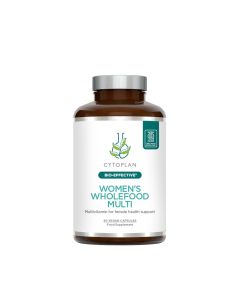
Women’s Wholefood Multi - contains key nutrients that support hormonal balance, alongside targeted botanicals including rosemary and broccoli, which complement hormone balance and the body’s natural detoxification processes.
Men’s Multi - supports male hormonal balance by providing zinc, vitamin D and active B-vitamins for healthy testosterone regulation and energy metabolism, alongside wholefood phytonutrients to support hormone processing pathways.
Perimenopause Complex – supports hormonal balance by combining adaptogenic herbs with gentle phytoestrogens, plus magnesium, vitamin B6 and chromium to help regulate hormonal activity during menopause transition.
Omega Balance - provides a carefully balanced ratio of omega-3 fatty acids (DHA and EPA) and omega-6 GLA from evening primrose oil, which help support hormone signalling, inflammatory balance and the normal functioning of the reproductive cycle.
Hormones have a powerful influence on mood, affecting emotional wellbeing in both women and men at every stage of life. From the menstrual cycle and perimenopause to the male hormone cycle and andropause, hormonal fluctuations can drive mood swings, anxiety and low mood. Understanding this connection highlights how nutrition, lifestyle and targeted support can help restore balance and support emotional resilience.
References
- Badawy Y, Spector A, et al. The risk of depression in the menopausal stages: A systematic review and meta-analysis. J Affect Disord. 2024 Jul 15;357:126-133.
- Chandana S, Maurya NK. Nutritional influences on hormonal homeostasis: Exploring mechanisms and implications. Int J Food Sci Nutr. 2024;9(2):1‑5.
- Jiao Y, Butoyi C, et al. Sleep disorders impact hormonal regulation: unravelling the relationship among sleep disorders, hormones and metabolic diseases. Diabetol Metab Syndr. 2025 Aug 1;17(1):305.
- Kale MB, Wankhede NL, et al. Unveiling the Neurotransmitter Symphony: Dynamic Shifts in Neurotransmitter Levels during Menstruation. Reprod Sci. 2025 Jan;32(1):26-40.
- Mueller SC, De Franceschi M, et al. An influence of menopausal symptoms on mental health, emotion perception, and quality of life: a multi-faceted approach. Qual Life Res. 2024 Jul;33(7):1925-1935.
- Reilly TJ, Patel S, et al. The prevalence of premenstrual dysphoric disorder: Systematic review and meta-analysis. J Affect Disord. 2024 Mar 15;349:534-540.
- Robinson J, Ferreira A, et al. Effect of nutritional interventions on the psychological symptoms of premenstrual syndrome in women of reproductive age: a systematic review of randomized controlled trials. Nutr Rev. 2025 Feb 1;83(2):280-306.
-
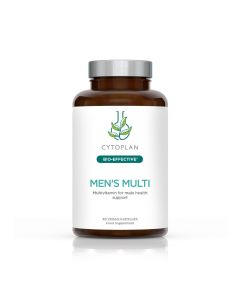 In stockMen’s Multi
Advanced high potency multivitamin for men, designed specifically to support ...
£30.99 from -
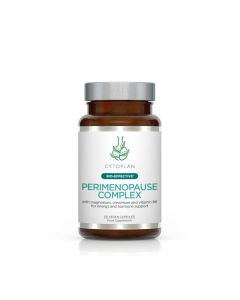
 In stockPerimenopause Complex
Our perimenopause supplement is a synergistic blend of natural nutrients and ...
£32.99 from -
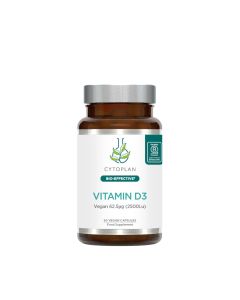
 In stockVitamin D3
High-potency vegan vitamin D3, providing 2,500iu per capsule for daily immune...
£10.99 RRP £8.24 Special Price 25% off