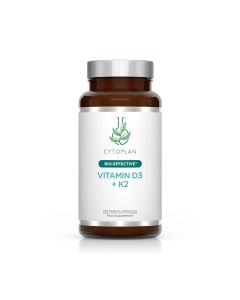


Methylfolate
Methylfolate is emerging as a new and exciting food supplement for anyone who needs to supplement with Folate (also known as Folic Acid). Methylfolate (also known as 5-MTHF and L-Methylfolate) is the most stable, safe and bioeffective form of Folate.
An adequate intake of Folate is essential for the prevention of many disorders such as anaemia neural tube defects, various forms of cardiovascular disease, Alzheimer’s, colon cancer and depression. Adequate Folate levels are of particular importance for pregnant women and women planning pregnancy.
At the end of this article we include a pertinent Cytoplan health professional pdf document titled Methylfolate v. Folic Acid.
[caption id="attachment_371" align="alignright" width="300"] Folate is derived from the term ‘foliage’ which indicates where this vitamin is found. Some of the best natural sources of Folic Acid are in green leafy vegetables.[/caption]
What is Folate?
Folate (Folic Acid) is one of the water-soluble ‘B-Complex’ vitamins and Folate is necessary for proper brain function as it is concentrated in the spinal and extra cellular fluids. Folic acid plays an important role toward the production of RNA and DNA as it helps in the formation of red blood cells and nucleic acids.
Folate and Pregnancy
Folate (Folic Acid) is of particular importance for pregnant women and women planning pregnancy. Folate is vital for the baby during early pregnancy, not only is it needed by the baby for the development of the neural tubes, but also by the mother. Suitable Folate levels contribute to ‘normal maternal tissue growth during pregnancy’ and The UK Department of Health have stated:
“Women who are planning a pregnancy or might become pregnant, or who are already pregnant, should also take folic acid supplement and vitamin D supplements.”
As Methylfolate is the most natural, stable, safe and bioeffective form of Folate (Folic Acid) it is ideal as a supplement for pregnant women and women planning pregnancy. Particularly in accordance with the recommendations of the UK Department of Health.
Sources of Folate and Deficiencies
Folate is derived from the term ‘foliage’ which indicates where this vitamin is found. Some of the best natural sources of Folic Acid are in green leafy vegetables such as broccoli and spinach. Also in oranges, rice, brewer’s yeast, liver sprouts and leafy greens.
Food is the major source of Folates for us. However in a large percentage of the population Folate intake from food is insufficient for good health. And as previously mentioned an adequate intake of Folate is essential.
Although insufficient Folate in the diet is the most common cause of Folate deficiency, too much alcohol and an excess of certain medications such as aspirin and antacids are common causes too as they interfere with the metabolism of Folate in the body. Certain diseases also affect Folate absorption and these include Celiac disease and Crohn's disease. It must also be noted that much folate content in folate rich foods is lost due to food preparation and cooking.
Methylfolate (5-MTHF)
Methylfolate is the predominant Folate found in such foods as leafy green vegetables and is in a form that can be used directly by the body. This is a natural Folate and very different in structure and function from isolated Folic Acid, the most commonly sold supplemental form, which does not occur naturally in foods.
If our metabolism is working correctly Folic Acid is converted to Methylfolate, (a wholly safe and beneficial nutrient) by our body. But often this process is not efficient and un-metabolised Folic Acid, which is not necessarily beneficial, remains in the body. Research has established that many of us have a genetic enzyme deficiency that prevents the efficient conversion of Folate to 5-MTHF (Methylfolate) – the required biologically active form. This enzyme deficiency will also have an impact when we seek to supplement with ‘isolated’ Folic Acid.
Hence supplementing with Methylfolate may soon become the preferred norm. Methylfolate (5-MTHF) as the bioactive form of Folate has been shown to raise ‘red blood cell folate concentration’ as compared with ordinary Folic Acid supplementation. This greater ‘bioavailability’ is of particular importance to people who have the genetic enzyme deficiency as Methylfolate requires no conversion to become metabolically active.
Methylfolate and Homocysteine
Not only does the genetic enzyme deficiency inhibit the conversion of folate to 5-MTHF leaving many vulnerable to low blood folate levels it can also increase ‘Homocysteine’ levels. Homocysteine is an amino acid that occurs naturally in the body and elevated levels of Homocysteine have been linked to increased risks of many common disease conditions. Elevated levels of Homocysteine are commonly caused when insufficient levels of ‘methyl group’ foods are consumed.
Methylfolate and Depression
Methylfolate supplementation is also generating a lot of interest in terms of cognitive treatments and depression. Research suggests that people with elevated Homocysteine levels have a greater risk of cognitive decline. Another important aspect of Methylfolate is that it is able to cross the blood-brain barrier, unlike Folic Acid. This is especially important for people with cognitive difficulties as Methylfolate can enhance the synthesis of acetylcholine in the brain. Acetylcholine is found in the central and peripheral nervous systems and is the most common neurotransmitter, and the neurotransmitter associated with memory.
Folate Benefits
- Folate provides a role in: The reduction of tiredness and fatigue
- Contributes to normal psychological functions
- Contributes to normal cell division
- Contributes to normal blood formation
- Contributes to normal homocysteine metabolism
- Folate contributes to normal maternal tissue growth during pregnancy
- Folate contributes to normal function of the immune system
Amanda Williams
Cytoplan
amanda@cytoplan.co.uk
01684 310099