
Skin deep - How your skin supports and reflects health
“The skin is not simply a boundary; it is a meeting place.”
- Ashley Montagu
The skin, known as the largest organ in the body, acts as both a barrier to our internal environment and a messenger, providing important insights into our health. The skin plays a vital role in maintaining overall health by protecting, sensing, regulating, and supporting the body.
"Many clients seek out practitioners for skin concerns such as acne or psoriasis after exhausting topical treatments and feeling they are getting nowhere. By viewing the skin as a reflection of internal health, practitioners can take a more holistic approach, exploring underlying imbalances across other body systems that may be contributing to these conditions. In this blog, Nutritional Therapist Annie Edwards will explore key body systems to consider when supporting clients in achieving healthier skin from within.
Skin overview
The skin is the body’s largest organ by surface area and is composed of three primary layers. The epidermis, the outermost layer, renews approximately every 24–45 days, and contains immune cells (Langerhans cells) that contribute to defence against pathogens. Beneath this, the dermis provides structural support and nourishment, housing connective tissue, vasculature (consider in Rosacea), and fibroblasts, which are cells responsible for collagen and elastin production, that underpin skin strength and repair.
The stratum corneum is part of the epidermis and functions as a barrier, essential for protection and reducing transepidermal water loss (TEWL). When compromised, it can drive inflammation and contribute to conditions such as eczema. The skin has an abundant supply of cutaneous sensory receptors, helping to process sensations such as touch and pain, and contributes to thermoregulation, responding to environmental heat and physical activity by activating sweat glands to support cooling. Importantly, the skin is central to the synthesis of vitamin D, which is produced in response to sunlight exposure.
Digestive health
The gut–skin axis is a bidirectional communication network that influences digestion, systemic immunity, inflammatory processes, hormonal balance, and metabolic function, all of which play a role in maintaining skin homeostasis. (Munteanu, 2025) Key nutrients, such as vitamins A, C, and E, and zinc, are vital for optimal skin health, and their absorption relies on a well-functioning gastrointestinal system. The gut microbiota itself produces nutrients such as vitamin K, as well as short-chain fatty acids (SCFAs), which can enter systemic circulation and affect skin physiology, including barrier function and inflammatory responses. (Schaefer, 2024)
Increased intestinal permeability and gut dysbiosis may permit the translocation of pro-inflammatory compounds into systemic circulation, contributing to the development or exacerbation of various skin disorders. Constipation or slow transit time reduces the elimination of metabolic waste, decreasing hormonal and toxin excretion. (Munteanu, 2025)
Probiotic supplementation can help support microbial diversity, reduce opportunistic pathogenic bacteria, support intestinal integrity, and reduce inflammation. Products containing Lactobacillus rhamnosus GG, found in the Recovery Biotic, are especially effective for supporting conditions such as atopic dermatitis. (Rana, 2023) Consider functional gut testing in appropriate cases to address more specific issues, such as low pancreatic elastase, bile acids, pathogens, and intestinal permeability, which would require additional support.
Skin microbiome
The skin microbiome is a complex ecosystem of microorganisms, including bacteria, fungi, and viruses, that live on the skin surface and are an integral part of the skin's homeostatic environment, supporting barrier, and immune defence. The collapse of microbial networks is found in atopic dermatitis, vitiligo, and seborrhoeic dermatitis, and is observed across skin conditions, such as acne, and everyday concerns such as dry skin and premature ageing. (Yue, 2025) Certain bacteria on the skin, such as Cutibacterium acne, are associated with acne, while Staphylococcus aureus is frequently linked to eczema. (Habeebuddi, 2022)
Immune
The skin’s immune system is governed by an interplay between structural skin cells and specialised immune cells, often described as the skin-associated lymphoid tissue (SALT). This network, comprising keratinocytes, mast cells, dendritic cells, and B and T lymphocytes, supports immune surveillance and defence, with dysregulation contributing to inflammatory conditions such as eczema, acne, and contact dermatitis. (Munteanu, 2025)
The epidermis is primarily composed of keratinocytes, which detect pathogens and cellular stress via pattern recognition receptors (e.g., Toll-like receptors), triggering the release of antimicrobial peptides, cytokines, and chemokines to initiate innate immune responses and influence immune signalling. Beneath this, the dermis houses many immune cells and fibroblasts, which contribute to tissue repair and modulate inflammatory processes. Skin ageing and environmental stressors can drive chronic low-grade inflammation (inflammaging), involving keratinocytes, fibroblasts, and both innate and adaptive immune pathways. While these responses are essential for protection, dysregulation may contribute to inflammatory and autoimmune skin conditions. (Narayanan, 2025)
Immune-mediated skin conditions that you may see in clinic include eczema, psoriasis, rosacea, contact dermatitis, and autoimmune disorders such as vitiligo and lupus. These conditions are driven by dysregulation of both innate and adaptive immune pathways, often involving altered cytokine signalling and impaired barrier function. Many other conditions, including acne, also have a significant inflammatory and immune component, where immune responses to microbes and environmental triggers contribute to disease progression. (O’Neill, 2018)
Endocrine and hormonal health
The skin is recognised as an endocrine-responsive organ, influenced by oestrogen, androgens, insulin (and IGF-1), thyroid hormones, and stress hormones. The skin can support the synthesis of important compounds, including vitamin D, certain sex hormones, retinoids, and opioid peptides. Skin cells, including keratinocytes, sebocytes, and adipocytes, are capable of synthesising and metabolising a range of biologically active molecules, including steroids, peptide hormones, and neurotransmitters. These signalling molecules play key roles in regulating sebum production, collagen synthesis, hydration, barrier integrity, inflammation, and tissue repair.
Specific hormonal shifts, such as oestrogen decline in menopause, are associated with changes in collagen content, hydration, elasticity, barrier function, and healing. (Roster, 2026) Hormonal imbalance can drive acne by increasing oil production, altering skin cell turnover, and promoting inflammation. Androgens play a central role in PCOS, with insulin resistance and elevated IGF-1 further worsening skin breakouts. (Melnik, 2023)
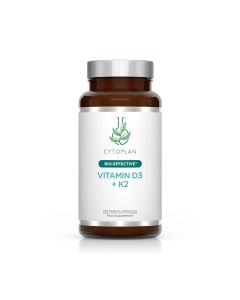
Consider hormonal balance support relevant to life stage, such as the Women’s Wholefood Multi or Menopause Multi, Magnesium and P5P. Vitamin D is synthesised in the skin via UVB exposure, yet deficiency remains common. Low vitamin D status is associated with immune dysregulation and increased inflammation and is frequently observed in autoimmune conditions. Suboptimal levels have also been found in acne. (Kemirez, 2020)
Liver health
The liver plays a huge role in skin health through detoxification, hormone metabolism, and inflammatory balance. The liver is responsible for processing endogenous and exogenous compounds, including hormones such as oestrogen and androgens, and impaired clearance may contribute to hormonally driven skin conditions such as acne. Poor liver function has been associated with increased systemic inflammation and oxidative stress, both of which are key contributors to inflammatory skin disorders, including psoriasis and eczema. The concept of the gut–liver–skin axis further emphasises this connection, suggesting that gut-derived endotoxins can influence liver function and promote inflammatory pathways that manifest in the skin.
Choline bitartrate and herbs such as milk thistle, turmeric, dandelion, and artichoke found in Liver Support support bile flow, digestive health, and toxin excretion.
Oxidative stress and inflammation
Inflammation and oxidative stress are key drivers of skin ageing and dysfunction. Chronic, low-grade inflammation can disrupt the skin barrier, impair healing, and contribute to conditions such as acne, eczema, and psoriasis. Oxidative stress, triggered by factors such as UV exposure, pollution, and lifestyle, leads to the generation of free radicals that damage collagen, elastin, and cellular structures. These processes are closely interconnected, with oxidative stress promoting inflammation and vice versa. (Gao, 2025)
Consider anti-inflammatory and antioxidant support with vitamin C, grape seed extract, hyaluronic acid, rutin, hesperidin, and bilberry, along with collagen found in Skin Collagen Complex (coming soon) to maintain elasticity, hydration, circulation, and skin capillary function. Curcumin lowers systemic inflammation and reduces keratinocytes. (Zhang, 2022) Omega-3 fatty acids support inflammation, hydrate keratinocytes, and improve serum lipid profile. (Huang, 2024)
Astaxanthin neutralises free radicals generated by UV exposure and environmental stressors. Uniquely, it sits across the lipid membrane of skin cells, enabling protection against oxidative damage at a cellular level (Nazri, 2026). It has also been associated with improvements in skin elasticity and hydration. (Tominga, 2017)
Other considerations
When working with clients with skin issues, also consider the musculoskeletal system, particularly fascia and muscle tension, which play an important role in supporting circulation, lymphatic flow, and structural integrity, all of which can influence skin health and appearance.
Last but certainly not least, focus on the stress response and nervous system function. Stress can not only impact hormonal balance, gut function, and immunity, but cortisol also increases inflammation, reduces repair, and degrades collagen and the skin barrier. The skin has its own response systems, similar to the stress (HPA) axis, meaning it can respond to stress and environmental changes. Nutrients such as Magnesium, L-theanine, and Lemon Balm found in Calm Support could be considered.
Nutrition
Healthy skin, as we have explored, starts from within. Dietary patterns should follow an anti-inflammatory way of eating, rich in polyphenols, omega-3, and antioxidants. Ensuring balanced blood sugar through the avoidance of high glycaemic foods that can elevate insulin and IGF-1, and are associated with increased glycation, androgen activity, sebum production, and acne. (Annunziata, 2025)
Adequate protein and healthy fats are, of course, essential for skin integrity and repair, with omega-3-rich foods being particularly useful in conditions such as eczema. (Balic, 2020) Fibre helps to support digestive health, bowel regularity, and SCFA production, supporting the gut-skin axis.
Food intolerances or triggers will vary between clients and may be linked to deeper gut issues. For example, Rosacea may be triggered by spicy foods, hot drinks, and alcohol, which induce vasodilation and activate transient receptor potential (TRP) channels on sensory nerves, leading to a neurogenic inflammatory response and subsequent flushing. (Searle, 2021)
Many conventional skin treatments disrupt the skin’s first lines of barrier defence through mechanical or chemical exfoliation, which can further compromise barrier integrity and exacerbate sensitivity and inflammation. Repeated disruption may impair the skin’s ability to regulate hydration, defend against microbes, and maintain immune balance.
In contrast, a Corneotherapy skincare approach prioritises preserving the integrity of the epidermis, particularly the stratum corneum. By working from the outer layers inward, it aims to support barrier repair, restore optimal function, and reduce unnecessary immune activation.
Conclusion
Skin health is deeply interconnected with factors such as gut function, the skin microbiome, diet, hormonal balance, liver function, and the body’s capacity to manage oxidative stress and inflammation. Recognising these relationships allows practitioners to take a more integrative, root-cause approach.
References
Annunziata, G., et al. (2025). Plant-based foods for chronic skin diseases: A focus on the Mediterranean diet. Current Nutrition Reports, 14, 42.
Balić, A., et al. (2020). Omega-3 versus omega-6 polyunsaturated fatty acids in the prevention and treatment of inflammatory skin diseases. International Journal of Molecular Sciences, 21, 741.
Datta, D., et al. (2022). Skin as an endocrine organ: A narrative review. Indian Journal of Dermatology, Venereology and Leprology, 1–8.
Gao, H., et al (2025). Vitamin D and the aging skin: Insights into oxidative stress, inflammation, and barrier function. Immunity & Ageing, 22(1).
Habeebuddin, M., et al. (2022). Topical probiotics: More than a skin deep. Pharmaceutics, 14, 557.He, X., et al. (2023). Research progress in skin aging, metabolism, and related products. International Journal of Molecular Sciences, 24, 15930.
Huang, Y., et al. (2024). The effects of fatty acids on psoriasis: A two-sample Mendelian randomization study. Journal of Cosmetic Dermatology, 23(8), 2716–2725.
Kemeriz, F., et al (2020). Evaluation of 25‐hydroxy vitamin D levels and disease severity in patients with acne vulgaris. Dermatologic Therapy, 33(3).
Melnik, B. C. (2023). Acne transcriptomics: Fundamentals of acne pathogenesis and isotretinoin treatment. Cells, 12(22), 2600.
Munteanu, C., et al (2025). Unraveling the gut–skin axis: The role of microbiota in skin health and disease. Cosmetics, 12(4), 167.
Nazri, RYM et al. Astaxanthin as an anti aging agent: extraction, mechanisms, and therapeutic potential. J Appl Pharm Sci. 2026;16(4):028 051.
Narayanan, D., et al (2025). Skin immunity and inflammation: Cellular interactions and communication. Clinical & Translational Immunology, 14(11), e70053.
O’Neill, A. M., & Gallo, R. L. (2018). Host-microbiome interactions and recent progress into understanding the biology of acne vulgaris. Microbiome, 6, 177.
Rana, R., & Anvari, S. (2023). Therapeutic effects elicited by the probiotic Lacticaseibacillus rhamnosus GG in children with atopic dermatitis: The results of the PROPAD trial. Pediatrics, 152(Suppl. 3), S27.
Roster, K., et al. (2026). Menopause and common dermatoses: A systematic review. American Journal of Clinical Dermatology, 27(1), 67–84.
Schaefer, A., et al (2024). The bidirectional gut–skin axis: Emerging evidence and potential skin health implications. Journal of Cosmetic Science, 75, 633–659.
Searle, T., et al. (2021). Rosacea and diet: What is new in 2021? Journal of Clinical and Aesthetic Dermatology, 14, 49.
Tominaga K, Hongo N, et al. Protective effects of astaxanthin on skin deterioration. J Clin Biochem Nutr. 2017 Jul;61(1):33-39.
Yue, et al. (2025). Microbiome network: A robust biomarker of skin health. British Journal of Dermatology, 193(Suppl. 2), ii1–ii5.
Zhang, S., et al. (2022). Efficacy and safety of curcumin in psoriasis: Preclinical and clinical evidence and possible mechanisms. Frontiers in Pharmacology, 13, 903160.
All of our blogs are written by our team of expert Nutritional Therapists.
If you have questions regarding the topics that have been raised, or any other health matters, please do contact them using the details below:
01684 310099