



10 magnesium facts and myths you need to know
If you've searched for ways to improve your sleep, energy or muscle health recently, you've probably come across magnesium. It's everywhere, from social media videos claiming it's a cure-all to shelves packed with different magnesium supplements promising different benefits. But how much of what you're hearing is actually true?
Magnesium is an essential mineral involved in hundreds of processes throughout the body, yet it's also surrounded by myths and marketing claims. In this guide, Nutritional Therapist Olivia Diaz separates fact from fiction, helping you understand what magnesium really does, which claims are backed by evidence, and what to look for when choosing a quality supplement.
Myth 1: All magnesium supplements are the same
Fact: Different forms have different characteristics
The supplement aisle can feel surprisingly confusing. Magnesium citrate, bisglycinate, malate, threonate and oxide all sit side by side, often making very different claims. Although they all provide magnesium, the form it's attached to influences how well it's absorbed and how well it's tolerated. Some forms are generally better absorbed than others, while some tend to be gentler on the digestive system.
You may have heard that certain forms are specifically for sleep, energy or brain health. While there are scientific reasons why these claims are made, the reality is often less clear-cut. Current research suggests that getting enough magnesium overall is usually more important than choosing one "perfect" form.
When choosing a supplement, focus on:
- Good absorption
- Digestive comfort
- Appropriate dosage
- Product quality
Rather than chasing fashionable claims, look for a formula designed to help you consistently meet your magnesium needs.
Myth 2: More magnesium is always better
Fact: The right dose in an absorbable form matters more than the highest amount
It's easy to be drawn to the biggest number on the label, but more isn't always better. In reality, taking excessive amounts of magnesium can sometimes lead to digestive discomfort, including loose stools. A well-formulated magnesium supplement should provide a meaningful amount in a form your body can comfortably absorb and utilise. Think quality over quantity.
Myth 3: Magnesium only helps with sleep
Fact: Sleep is only one part of magnesium's role
Magnesium is often promoted as a sleep supplement, but its role in the body goes far beyond supporting relaxation.
Magnesium contributes to:
- Normal energy production
- Normal muscle function
- Nervous system function
- Psychological wellbeing
- Electrolyte balance
- Healthy bones and teeth
- Reduction of tiredness and fatigue
In fact, magnesium is involved in hundreds of biochemical processes that help keep the body functioning normally every day.
Sleep support may be one benefit, but it's far from the whole story.
Myth 4: You have to take magnesium at night
Fact 4: There is no universally best time to take magnesium & consistency matters more
One of the most common questions practitioners hear is: "Should I take magnesium at night?" The answer is simpler than many people expect. Some people prefer taking it in the evening because it forms part of their bedtime routine, while others find it easier to take with breakfast or lunch. The most important thing that matters is taking it consistently.
Choose a time that fits naturally into your day and remember to take it regularly.
Myth 5: If the label says 400 mg, you're getting 400 mg of usable magnesium
Fact: Understanding supplement labels can make a big difference
Magnesium labels can be surprisingly confusing. A product may contain a large amount of a magnesium compound, but that doesn't necessarily mean all of that weight is magnesium itself.
Next time you're comparing magnesium supplements, don't just look at the headline dose. Ask yourself:
- Which form of magnesium does it contain?
- How much elemental magnesium am I actually getting?
- Has the product been independently tested?
- Does the manufacturer explain why they've chosen those ingredients?
A thoughtfully formulated supplement often provides greater value than simply choosing the largest number on the label.
Myth 6: If you eat well, magnesium deficiency isn't something to be concerned about
Fact: Modern day diets are frequently depleted in this essential mineral
Magnesium is found in food such as pumpkin seeds, almonds, cashews, Brazil nuts, spinach, black beans, lentils, whole grains, dark chocolate and avocado. Despite the availability of these foods, many practitioners will recognise that their clients' dietary magnesium intake frequently falls short of recommended levels.
Modern dietary patterns contain fewer magnesium-rich whole foods, while food processing removes significant quantities from grains. Agricultural practices, declining soil mineral content, and reduced consumption of magnesium-rich foods have all contributed to inadequate magnesium intake. Requirements may also increase in certain circumstances, (Costello, 2016) these include:
- Chronic stress
- Intense exercise
- Gastrointestinal disorders (low stomach acid, dysbiosis, etc) reducing nutrient/magnesium absorption
- Medications, such as proton pump inhibitors and certain diuretics
- Type 2 diabetes
- Excessive alcohol intake
- Ageing
Myth 7: Topical Magnesium sprays and bath salts work just as well as supplements
Fact: There is not enough evidence on transdermal absorption compared to oral supplementation
Topical magnesium oils, sprays and bath products have become increasingly popular. While many people enjoy using them as part of a self-care routine, there is currently limited evidence showing that significant amounts of magnesium are absorbed through the skin. Oral supplements remain the most researched and reliable way to increase magnesium intake.
That doesn't mean magnesium baths can't be relaxing, but their benefits may not come from magnesium absorption alone.
Myth 8: If one type of magnesium didn't work, none will
Fact: Different forms have different characteristics, so it's worth discussing with a nutritional expert
Magnesium supplements differ because the magnesium ion (Mg²⁺) is bound to different compounds, known as ligands or counter-ions. Common forms of supplemental magnesium include magnesium bisglycinate, malate, taurate, threonate, citrate, oxide and chloride. These influence important characteristics such as solubility, dissolution rate, elemental magnesium content and gastrointestinal tolerance. As a result, two products providing the same amount of magnesium may not perform identically in practice. If one magnesium supplement hasn't suited you, it doesn't automatically mean all forms will produce the same outcome.
At Cytoplan, we've chosen to remove magnesium oxide from our formulations. While it contains a relatively high percentage of elemental magnesium, it is generally less bioavailable than many other forms. Instead, we focus on forms selected for their absorption and digestive tolerance, helping people get more from every dose.
Myth 9: Magnesium is a miracle mineral that can solve all health issues
Fact: Magnesium is essential but it's not a cure-all
Social media has helped turn magnesium into one of the most talked-about supplements of recent years.
While magnesium is unquestionably important for health, no nutrient can compensate for poor sleep, chronic stress, lack of exercise or an unhealthy diet.
The biggest health benefits come when magnesium forms part of a wider approach that includes:
- A nutrient-rich diet
- Regular movement
- Good sleep habits
- Stress management
- Healthy lifestyle choices
Think of magnesium as a foundation, not a magic solution.
Myth 10: Magnesium is involved in 300 bodily processes
Fact: More recent research suggests it's an even higher number
You've probably heard that magnesium is involved in over 300 biochemical reactions in the body. While that figure has been quoted for decades, more recent research suggests magnesium may participate in well over 600 enzymatic reactions. That's one reason why magnesium has such a widespread influence on energy production, muscle function, nervous system health and overall wellbeing.
Regardless of the exact number, one thing is clear: Magnesium is one of the body's most important minerals.
Conclusion
Magnesium deserves its reputation as an important nutrient, but not because it's a miracle cure. Its real value lies in the countless behind-the-scenes roles it plays every day, from supporting normal muscle function and energy production to helping maintain healthy bones and the nervous system.
If there's one takeaway from these magnesium facts and myths, it's this: don't let marketing claims make your decision for you. The best magnesium supplement isn't necessarily the one with the biggest dose or the boldest promises. It's the one that provides a well-absorbed form of magnesium, in an appropriate amount, from a manufacturer that prioritises quality and transparency.
With a little knowledge, it's much easier to cut through the hype and choose a supplement that genuinely supports your health.
Practitioner call out section comment:
Did You Know? Around 50-60% of the magnesium in your body is stored in your bones, while the rest is found in muscles and other soft tissues and just 1% is found in your blood, highlighting just how important this mineral is for whole-body health.
-
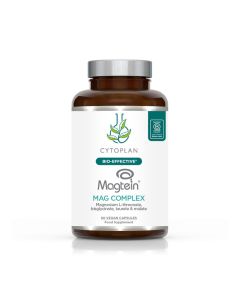 In stock
 -
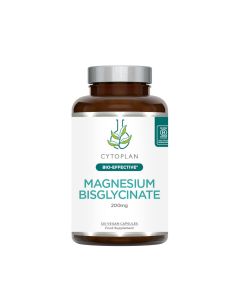
 In stockMagnesium Bisglycinate
Highly Bio-Effective® pure magnesium bisglycinate - an absorbable, gentle fo...
£14.99 from -

 In stockFos-A-Dophilus Probiotic
A broad-spectrum daily probiotic from 6 clinically researched strains to supp...
£37.99 from