




Chronic Fatigue Syndrome and Fibromyalgia – the perfect storm to herald a new healthcare model?
Chronic Fatigue Syndrome (CFS) is a condition that affects over 250,000 throughout the United Kingdom – and with such a lack of clear diagnosis, treatment and recovery available for fatigue-related conditions such as these, that number is only likely to grow.
A focus on treating symptoms as opposed to finding the root cause of a condition has left thousands of people with these debilitating and life changing illnesses.
Our blog this week is provided by Elaine Wilkins, an award winning author and founder of the Chrysalis Effect Recovery Programmes. The programme sets about transforming the approach to treating ME, CFS and Fibromyalgia from a conventional ‘one size fits all’ model that does not address all of the factors, to a holistic approach that looks at each case individually; understanding that the mind, body, environment and lifestyle & dietary choices of an individual are all part of the equation. In this week’s blog Elaine poses the question – Could life-changing health issues such as eating disorders, addiction and OCD benefit from a similar model?
Elaine will be hosting a webinar on Monday 22nd January at 11:30am titled 'Lifestyle Medicine in Action - Join the Transformation' - to find out more and to join this webinar for free please click here.
Chronic Fatigue Syndrome and Fibromyalgia – the Perfect Storm to Herald a New Healthcare Model? If you have experienced Chronic Fatigue or Fibromyalgia or consulted with a patient suffering from the myriad of symptoms that are the trademark of these illnesses, you will be aware of the level of misinformation and arguments about the causes and prognosis for sufferers. Sadly, this leaves many patients ending up at the centre of work tribunals and job losses with the prospect of a post code lottery and inconsistency in the NHS treatment that is available to them. There is no cohesive treatment plan. On top of this there is the elephant in the room. Bitter arguments divide sufferers and health professionals. It begins with what these illnesses are called and seems to focus mainly on a split between those who believe the illness has totally physical origin. And those who are looking at the psychological and emotional causes. The former group campaign for funding into bio-medical research and have total conviction that this has a purely physical cause. Dr Charles Shepherd is medical advisor for The ME Association. His enthusiastic review of the 2017 ‘Invest in ME’ conference, concluded that presentations covering treatment were largely focused on clinical trials taking place in Norway into use of Rituximab and Cyclophosphamide; which are immune suppressant drugs for cancer patients and Suramin; which is prescribed for both African Sleeping Sickness and Autism. So, who is correct? Having been through my own 6-year recovery journey and having worked in this field now for over 9 years. I can unequivocally say that while these opposites wage war, positive recovery results are achieved when the client or patient understands that there are many elements at play in a downward spiral of illness. Mind, body, environment, lifestyle, dietary factors, relationships and the pre-disposition and susceptibility of a person are all part of the picture. Nothing happens in isolation, everything is interrelated. This perspective fosters an open mind into what may have contributed to or pre-ceded their illness empowering people to utilise the support they need to make changes. This directly impacts them physically, emotionally and environmentally. At recent the Chrysalis Effect ‘Celebrate Recovery’ event, it was clear from those who have fully recovered that the biggest problem with their CFS and Fibromyalgia recovery was that the conventional model they had initially accessed to treat them simply does address all the factors at play which is why it does not work for these 21st century multi-factorial illnesses. Why? - Well many reasons including:
-
- The 8-10 minute appointment gives doctors no time to address causes.
-
- Long waits for diagnosis, no explanations while constantly waiting for referrals to individual specialists.
- Drugs being offered to manage symptoms - a sticking plaster approach.
- Patients can end up spiralling into a long term chronic state of debilitation which could and should be intercepted.
- Complementary approaches have been largely dismissed by conventional medicine.
When I was bedbound with ME it was the darkest time of my life. But after winter eventually comes Spring. It is during our winters that new seeds of change are germinating. I learned first-hand that the endless waits for appointments and referrals created more stress and made me worse. A recovery focused fully supported treatment option was neither accessible nor available.
Once we harnessed the incredible technology available all that has changed. We can take recovery support instantly to the patient in their own home and support GPs as we surround them with online resources and a community of positive role model support. It got me thinking about the current challenges in treating eating disorders, addiction, OCD, failings of treating parts of the body as separate entities and prescribing drugs as the first option. These are complex and life altering illnesses, which are often viewed as mysterious and difficult to treat. My question was ‘Could these health issues benefit from a similar model?’
I am not alone in asking that question. The time has come. From the erudite powerhouse, that is the comedian, Russell Brand; lobbying parliament for drug free holistic approach to recovery from addictions; to forward thinking GPs and NHS transformational leaders who are open and willing to bite the bullet and drive that new model.
Dr Rangan Chatterjee, from BBC’s ‘Doctor in the House’ fame, is a leading light in this movement. He enthusiastically conveys the need to put down the prescription pad and embrace a collaborative and holistic approach to health. He was frustrated at seeing patients stuck at home with debilitating illnesses like fibromyalgia that conventional approaches were not helping. So, it has taken illnesses that don’t fit into a box to shake things up. To create ‘The Perfect Storm’. The great news is, Dr Chatterjee has taken up the mantle to train GPs to look outside of their current practices to embrace complementary practitioners as their colleagues and follow his lead in which he recognises nutritional therapists, osteopaths, yoga and mindfulness teachers et al as primary care providers. Wow!
In 2009, The Chrysalis Effect set about transforming the approach to ME, CFS and Fibromyalgia. That included engaging with and training practitioners to work in a new way. It created a blueprint that moved the focus from symptom management to recovery and optimising wellbeing. It had to be delivered in the private sector because never the twain shall meet. Now, in the NHS meetings I present to, I can at last feel the long-awaited shift in attitude. It is incredible to be part of the new paradigm of health that complementary field has yearned for.
Elaine Wilkins BA, Hons, PGCE, ILM, CMI Accredited Coach
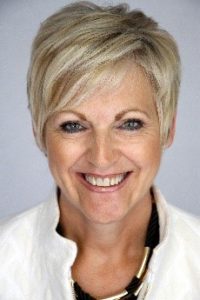
Elaine Wilkins BA, Hons, PGCE, ILM, CMI Accredited Coach is the award winning, founder and author
of the Chrysalis Effect fully accredited Coaching programmes for Specialist Practitioners. After
experiencing 6 years of illness with CFS Elaine is passionate about working with practitioners to shortcut
recovery for these misunderstood conditions and is heading up a pilot team for the NHS for this proven
intervention.
Download this free 12 point checklist to ensure your Practice is set Up for Recovery Success with ME, Chronic Fatigue Syndrome or Fibromyalgia Clients - click here.
Free additional short videos included as a bonus - for a free 30 day trial of recovery programme - click here.
Contact details – T: 01883 712555 or email info@thechrysaliseffect.com
With many thanks to Elaine for this article. If you have any questions regarding the topics that have been raised, or any other health matters please do contact me (Clare) by phone or email at any time.
clare@cytoplan.co.uk, 01684 310099
Clare Daley and the Cytoplan Editorial Team

We’d love your comments on this article
It’s easy, just post your questions, comments or feedback below