



A gluten-free diet - healthier or not?
In 2016, the global gluten-free foods market was worth $14.94 billion per year and was predicted to grow at an annual rate of 9.3% between 2017 and 2025.1 A study published this year concluded that gluten-free (GF) foods do not offer a nutritional advantage to regular foods and are not a healthier alternative. This was based on a comparison of more than 1700 products. GF foods were found, in general, to contain more fat, salt and sugar and have a lower fibre and protein content than their regular counterparts. GF foods were also found to be, on average, 159% more expensive2.
Many people do report feeling better when they switch to a gluten-free diet and there is no question that eating gluten-free is definitely a healthier option for some people. However, swapping an ‘unhealthy’ wheat-filled diet for an ‘unhealthy’ gluten-free diet will not lead to improvements in health and as the above study found may lead to lower fibre intake. When eliminating gluten containing foods, it is important to replace them with nutrient dense, wholefoods that are naturally gluten-free.
In this blog, we compare the macronutrients in an example of a typical UK diet with a ‘gluten-free’ diet that relies on GF products. We will then look at a wholefood diet, that is naturally gluten-free without relying on large quantities of highly processed GF foods.
But to start with what are some of the issues with gluten?
The trouble with gluten
Wheat is a staple carbohydrate in Western diets, often being consumed in some form at every meal and snack. It contains a protein called gluten. Gluten is also found in rye and barley. Oats contain no gluten as such, but since oats are often grown and processed along with wheat, most conventional oat products contain traces of gluten. Since the publication of a number of studies on the effects of gluten on human digestion by researchers such as Dr Alessio Fasano and his colleagues, public interest in gluten-related issues has increased3.
The protein gluten cannot be digested by humans and increases gut permeability (i.e. leaky gut) for a while after it is eaten. This happens to some degree in everyone every time foods containing gluten are eaten. This can lead to an immune response and be a contributory factor in inflammation. A healthy body will ‘mop up’ the inflammation and repair the leakiness of the gut until gluten is eaten again and the process starts again. However, because gluten containing foods are often eaten at every meal and snacks in between – the body’s capacity to ‘repair’ the gut after eating these foods may be exceeded, and this can increase the likelihood of developing a sensitivity to gluten – a condition referred to as ‘non-coeliac gluten sensitivity’ (NCGS) which is linked to many conditions and symptoms can include anxiety, depression, skin eruptions, bloating, constipation and / or diarrhoea and more.
Gluten can also trigger an autoimmune condition in the small intestine called coeliac disease (CD) whereby the cells (enterocytes) lining the digestive tract are severely damaged and inflamed and digestion is significantly impaired, the only treatment for this is to completely avoid gluten. Other conditions associated with CD include dermatitis herpetiformis, a violent, blistering rash, or gluten ataxia, which may lead to neurological problems and loss of coordination.
Today, we eat more gluten than ever before in history. The gluten content of the food we eat has increased, and the gluten found in modern wheat strains is more difficult to digest than that of older wheats like einkorn or spelt. In recent years, we have seen an increased focus on gluten, and more and more people find that they start to feel better once they omit gluten or wheat from their diet.
Wheat does offer some benefits for health – it is high in fibre and also provides some B vitamins and minerals. In the average diet wheat-based products provide 78% of the dietary fibre, therefore very often, when a person removes gluten from their diet they also remove the fibre. Many GF products on the market are heavily processed, have a very high glycaemic load and are low in fibre. However, it is more than possible to get a good intake of fibre from non-gluten sources such as vegetables, fruit, brown rice, quinoa, buckwheat, nuts and seeds.
Macronutrient comparison – wheat-based and ‘gluten-free’ foods
If we take what might be a typical ‘wheat based’ diet and substitute all the wheat products for GF products then a single day’s food diary could look like this:
| Wheat-based | GF products |
| Wheat based breakfast cereal e.g. All Bran | GF breakfast cereal e.g. Multigrain flakes |
| Cheese sandwich, made with wholemeal bread plus an apple | Cheese sandwich made with GF bread plus an apple |
| Pasta and tomato sauce, green side salad (2 portions of vegetables) | GF brown rice pasta and tomato sauce, green side salad (2 portions of vegetables) |
The table below summarises the nutritional composition of these two diets – the fat, sugar, fibre and protein provided by the ‘grain’ products in these 2 diets concurs with the findings of the study referred to above, i.e. the GF products are higher in fat and sugar and lower in fibre and protein. You can see the difference in total fat is considerable – probably due to fat being used to bind the ingredients together in GF products (gluten is a sticky substance that acts like glue in bread, so fat may be used to perform this function in GF products).
| Nutritional information* | Wheat based | GF products |
| Total fat (from bread, pasta, cereal) | 3.8 g | 11.04 g |
| Total sugar | 11.7 g | 13.4 g |
| Total fibre | 18.9 g | 12.7 g |
| Total protein | 22.6 | 17.3 g |
| Total salt | 1.1 | 0.81 |
| Number of foods types | 6 | 6 |
- Both diets rely heavily on grains which are high in starch (and lectins which can damage the gut). Every meal includes processed cereal or bread or pasta
- Both diets include a very narrow range of foods – 6 in total. In fact, they are good examples of our modern-day way of eating where people eat a diet lacking in diversity. In contrast, the Japanese are encouraged to eat 30 different food items each day
- They both include minimal amounts of vegetables (2 portions per day in this example). The average UK consumption of fruit and vegetables is around 3 portions per day (most people are still not achieving the UK government’s 5-a-day target, which should be seen as a minimum)
- Due to the lack of vegetables, nuts and seeds they are both low in fibre (although the wheat-based diet does better). The government’s recommendation is a daily fibre intake of 30g per day and again this should be considered a minimum for most people (the fibre intake shown does not include the fruit and vegetables so total fibre intake will be higher than shown)
- Both are lacking in healthy fats which are provided by foods such as olive oil, nuts, seeds, avocado, and oily fish
| Breakfast | Porridge oats with blueberries and flaxseed |
| Lunch | Whole avocado, beetroot, salad (green leaves, cucumber, spring onion), olive oil dressing (olive oil, lemon juice and garlic), and 1-2 boiled eggs (takes minutes to prepare) Apple |
| Supper | Wild salmon cooked in tarragon and lemon juice, small baked sweet potato, half plate vegetables, 3 different types, including dark green leafy vegetables |
| Number foods | 20 |
- This diet includes 7 portions of vegetables and 2 portions of fruit, so this diet is high in phytonutrients (carotenoids and flavonoids). The vegetables and fruit will also provide fibre
- Plenty of healthy fats are included - flaxseed, avocado, olive oil, oily fish. In addition, there is no sunflower or vegetable oil, which can be high in inflammatory omega-6 fatty acids
- Sources of fibre are plentiful including oats, blueberries, flaxseed, avocado, other vegetables including the sweet potato
- No added sugars, the blueberries contain some natural sugars but are a low glycaemic fruit
- The variety of food types is increased – 20 different foods in one day (although still some way off the Japanese goal of 30)
- Salt can be added at the table – sea salt is recommended
Looking at this diet it would not be fair to say that eating gluten-free is not a healthier alternative to a gluten-based diet.
What to do now:
If you feel that gluten may be causing you problems, and would like to remove it from your diet, it may also be a good idea to give your digestive system some support to help the body repair, reduce inflammation and to optimise digestive function by:
- Following an anti-inflammatory diet, rich in fruits and vegetables and low in sugar with healthy fats and protein, as per the above example
- Getting 7 plus portions of vegetables and 1-2 portions of fruit to obtain good levels of fibre
- Consider prebiotic and fermented foods such as chicory, artichoke, apples, kimchi and sauerkraut
If you don’t feel that gluten causes any problems for you and you want to continue eating foods containing it, then limit the amount you are eating. Reducing the amount of gluten you eat will reduce the likelihood of developing NCGS. It is easy to choose alternative breakfast options and avoid at supper. Lunch ‘on the go’ is where people find they rely on a ‘sandwich’. So have a maximum of one portion per day of either bread, or pasta or another food that contains wheat, barley or rye. Do not eat it at more than one meal. Good quality sourdough bread has a longer fermentation time so should also be lower in gluten and is therefore a good choice.
- Gluten-free (GF) products have been found to be higher in fat, sugar and salt and lower in fibre than conventional products (i.e. containing wheat, barley or rye).
- Many people’s diet is heavily wheat-based – bread, pasta or wheat-based cereals being eaten at every meal and snack. Even for those who do not react to gluten, this cannot be considered a healthy diet.
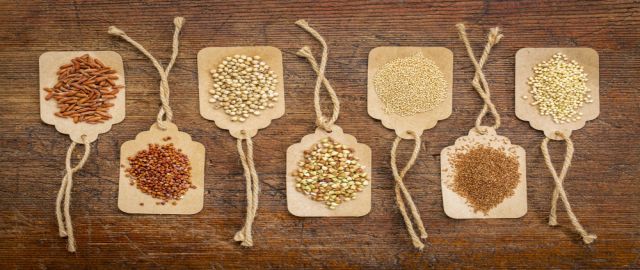
- If you choose to eat a gluten-free diet, then choose naturally gluten-free alternatives – oats, rice, buckwheat, sweet potatoes, quinoa – rather than GF products (it's okay to eat these on an occasional basis).
- Even if you don’t suspect a problem with gluten foods, reduce the amount of gluten you eat – it is easy to avoid at breakfast and supper. Once you are comfortable with alternatives at these meals, look at some alternative lunch options as well.
- If you would like more information about foods to eat and avoid on a gluten-free diet and how to carry out a trial elimination, then please download a copy of “Your Guide to Eating Well” here.
If you have any questions regarding the topics that have been raised, or any other health matters, please do contact me (Clare) by email at any time (clare@cytoplan.co.uk) Clare and the Cytoplan Editorial Team
References
- Grand View Research (2017) ‘Gluten-free products market analysis by product (bakery, dairy alternatives, desserts and ice-creams, prepared foods, pasta and rice), by distribution (grocery stores, mass merchandiser, club stores), and segment forecasts, 2014-2025’.
- Fry, L. et al. (2018) ‘An investigation into the nutritional composition and cost of gluten-free versus regular food products in the UK.’ Journal of Human Nutrition and Dietetics. Volume 31, Issue 1, pp. 108-120.
- Fasano, A. et al (2012) ‘Spectrum of gluten-related disorders: consensus on new nomenclature and classification’, BMC Med, 10:13.

We’d love your comments on this article
It’s easy, just post your questions, comments or feedback below