
What are the best supplements for menopause joint pain?
What are the best supplements for menopause joint pain?
Menopause can bring a range of unexpected changes, and for many women, joint pain is one of the most surprising, yet common. In fact, up to 70% of women experience joint discomfort during this time. If you’ve noticed your knees, hips, or hands feeling stiffer than they used to, you’re not alone.
The good news is that, with the right nutrition, lifestyle habits, and targeted supplementation, it’s possible to support your body’s natural adaptation during this stage of life and make a meaningful difference to how you feel. In this article, we’ll explore the science behind menopause-related joint pain, highlight key supportive supplements, and share simple, practical tips to help you stay active, mobile, and feeling your best.
Understanding menopause and joint pain
Menopause marks the natural end of a woman’s reproductive years. During this transition, levels of female hormones, most notably oestrogen and progesterone, fluctuate before declining significantly. While often associated with reproductive health, these hormones have wide-ranging effects throughout the whole body, including the joints.
Oestrogen has supportive and protective effects on connective tissues, including cartilage, ligaments, and bone. The presence of oestrogen receptors in these tissues highlights its direct role in maintaining joint health. Its key benefits include:
- Regulating inflammation: Oestrogen helps modulate immune responses and maintain inflammatory balance. As levels decline, this regulation is reduced.
- Protecting cartilage: Helps slow the breakdown of cartilage (the cushioning between bones).
- Supporting collagen production: Helps to stimulate the production of collagen, the key structural protein that provides strength and elasticity to connective tissues, while also helping to prevent its breakdown.
- Maintaining joint lubrication: Influences hyaluronic acid and synovial fluid, a natural lubricant that helps bones glide smoothly over each other, cushions the joint, and delivers nutrients to the cartilage.
- Supporting bone health: Promotes osteoblast activity (the cells responsible for building bone), helping to maintain bone density and reduce strain on joints.
As oestrogen levels decline, these protective effects are reduced, and joint pain may reflect the loss of its anti-inflammatory and tissue-supporting actions.
Oestrogen also plays a role in how the nervous system processes pain. As levels decline, sensitivity to discomfort can increase, making aches and stiffness feel more pronounced. At the same time, hormonal changes may disrupt sleep and affect mood, both of which can lower pain tolerance. Poor sleep also reduces the body’s ability to repair tissues and regulate inflammation, potentially further contributing to joint discomfort.
The role of other hormonal changes
Declining progesterone may also play a role in joint discomfort, as it has calming, muscle-relaxing and anti-inflammatory effects. Lower levels may therefore contribute to increased muscle tension, reduced pain tolerance, and a greater tendency toward inflammation.
At the same time, cortisol, the body’s primary stress hormone, may become more elevated. Hormonal fluctuations, disrupted sleep, and increased stress sensitivity during menopause can all contribute to this shift. For many women, this stage of life also coincides with career demands, caring responsibilities, and other life pressures, further adding to the stress load.
While cortisol is anti-inflammatory in the short term, chronically elevated levels can have the opposite effect. Over time, this may contribute to increased inflammation and further compound the effects of declining oestrogen, with potential implications for joint health:
- Increased inflammation: Persistently elevated cortisol can drive systemic inflammation
- Greater pain sensitivity: Higher cortisol levels may lower pain tolerance
- Muscle tension: Cortisol can contribute to muscle tightness and promote muscle breakdown, leaving joints less stable
- Slower repair processes: Elevated cortisol may impair the body’s ability to repair cartilage and soft tissues
- Reduced bone density: Over time, high cortisol can accelerate bone breakdown, increasing the risk of osteoporosis and placing additional strain on joints.
Common types of joint pain experienced
Hormonal changes can cause stiffness, tendon and soft tissue pain, and reduced mobility, often affecting the knees, hips, hands, shoulders, and lower back. This may present as menopausal arthralgia (widespread, shifting joint pain) or osteoarthritis (cartilage breakdown). Many women experience morning stiffness, reduced flexibility, and general soreness that can make everyday movement harder.
Vitamins and supplements for menopause joint pain
Top supplements for alleviating joint pain
Omega-3 fatty acids
Omega-3 fatty acids, found in fish and algae oils, are well known for their ability to help balance and resolve inflammation. Oestrogen also supports the body’s ability to convert dietary fats into the active omega-3 forms, EPA and DHA, but this process becomes less efficient after menopause. As a result, omega-3 intake becomes even more important, helping to offset the loss of oestrogen’s natural anti-inflammatory protection.
Curcumin
Curcumin, the active compound in turmeric, provides powerful anti-inflammatory and antioxidant support.
Collagen and chondroitin
Supplementing with type II collagen, may help support cartilage structure and maintain joint cushioning. Chondroitin, a key component of cartilage, helps attract and retain water, supporting its elasticity and shock-absorbing properties.
Glucosamine
As a key component of connective tissue, glucosamine supports the health and function of cartilage, synovial fluid, ligaments and tendons, helping to maintain joint strength and mobility.
Boswellia
Boswellia contains naturally active compounds called boswellic acids, which may help support a healthy inflammatory response.
Targeted multivitamin for menopause
A targeted multivitamin for menopause can help provide essential foundational support, delivering key nutrients that work together to maintain joint structure, regulate inflammation, support repair, and nourish the nervous system.
Nutrients to support stress
Supporting a balanced stress response can help reduce the knock-on effects cortisol can have on inflammation and joint health.
Magnesium
Helps relax the nervous system, reduce tension, and support sleep. It also supports bone health and muscle function.
Ashwagandha
An adaptogenic herb traditionally used to help the body adapt to stress.
L-theanine
Promotes calm and relaxation without drowsiness.
Vitamin C
Used up quickly during stress, vitamin C supports the adrenal glands and immune function.
Natural menopause joint pain support options
Self care
Hot baths and Epsom salts
Warm baths can help relax muscles, improve circulation, and ease joint stiffness. Adding Epsom salts provides magnesium, which as mentioned promotes muscle relaxation and supports a calming effect on the body, also promoting a good night sleep.
Stretching
By encouraging blood flow to muscles and connective tissues, stretching supports mobility, eases tension, and helps joints move more freely. Regular stretching may also help improve range of motion and reduce the risk of strain or injury.
Prioritising good sleep
Quality sleep supports tissue repair, helps regulate inflammation, improves mood and influences better food choices. Establishing a consistent sleep routine, keeping the bedroom cool, reducing evening screen time, avoiding alcohol and caffeine at least 8 hours before bed, and ensuring balanced blood sugar may help support better rest. A dedicated nighttime formula can be beneficial too.
Stress management
Managing stress through practices such as mindfulness, breathing exercises, or spending time outdoors may help regulate cortisol levels and support a more balanced mood. In turn, this can also promote better sleep quality.
Maintaining a healthy weight
Carrying excess weight can place additional strain on weight-bearing joints such as the knees and hips.
Anti-inflammatory foods
A diet rich in colourful fruits and vegetables, healthy fats, nuts, seeds, and wholefoods may help support a balanced inflammatory response.
Stay hydrated
Good hydration helps keep joints cushioned as cartilage relies on water to stay resilient and absorb impact. Even mild dehydration can make stiffness and discomfort feel worse.
Does exercise help menopause joint pain?
Regular movement is key for supporting joint health, even though pain and stiffness can make you want to do the opposite. Keeping active helps strengthen the muscles around the joints, improving stability and reducing strain during everyday movement. It also boosts circulation, delivering oxygen and nutrients to joint tissues while helping clear waste products that may contribute to inflammation.
Beyond the physical benefits, movement can also enhance mood and overall wellbeing. Exercise helps stimulate the release of endorphins, which can improve mood and support resilience to stress. This is particularly helpful during menopause, when hormonal changes can influence both mood and sleep. Regular activity may also support better sleep quality.
The best types of exercise for joint pain
When joints are sensitive, low-impact and joint-friendly activities tend to be the most supportive. Exercises such as walking, swimming, yoga, and Pilates help keep the body moving without placing excessive strain on the joints. These activities promote flexibility, strengthen the muscles that stabilise the joints, and help reduce stiffness. Gentle strength training can also be beneficial, as stronger muscles provide better support for the joints.
Importance of diet and nutrition
A balanced diet rich in fruits and vegetables, healthy fats, quality protein, and wholefoods provide the key building blocks to support cartilage, muscle, and connective tissue. During menopause, shifting nutrient needs may also result in suboptimal micronutrient status, which may contribute to joint discomfort and reduced mobility.
Key supportive nutrients include:
- Omega-3 fatty acids: Found in oily fish, flaxseeds, and walnuts, helping to support a balanced inflammatory response.
- Vitamin C: Found in berries, citrus fruits, and peppers, supporting collagen production for healthy cartilage and connective tissue.
- Magnesium: Found in leafy greens, nuts, seeds, and wholegrains, supporting muscle relaxation and musculoskeletal function.
- Protein: From sources such as lean meats, fish, eggs, legumes, and dairy, helping to maintain muscle mass and joint stability.
Changes in the gut microbiome are common during menopause, with declining oestrogen linked to reduced microbial diversity and function, including disruption to the oestrobolome (the microbes involved in oestrogen metabolism). At the same time, lower oestrogen can affect blood sugar regulation, as insulin sensitivity may decrease, leading to less stable energy levels and a greater tendency toward inflammation.
Fibre plays a key role in supporting both areas. Fibre-containing foods (fruits, vegetables, wholegrains, and legumes) help promote a diverse and balanced microbiome while also supporting healthy digestion and more stable blood sugar levels, particularly when combined with healthy fats and minimally processed foods.
Monitoring symptoms and when to seek help
It is important to listen to your body and monitor symptoms over time. While mild stiffness and aches can be a normal part of menopause, persistent or worsening joint pain should not be ignored. If discomfort is severe, affects daily activities, or is accompanied by swelling, redness, or warmth in the joints, it may be helpful to seek guidance from a healthcare professional.
Does menopause joint pain go away?
For many women, menopause-related joint pain often improves over time. While declining oestrogen may initially increase joint sensitivity, the body often adapts to its new hormonal baseline, and stiffness and discomfort may gradually ease. However, for some, symptoms can persist, and additional support may be needed to help the body adjust more comfortably. Menopause is not just a drop in hormones, but a whole-body transition that can create new imbalances across the body, while also highlighting underlying ones that may need addressing. The positive news is that there is a lot you can do - regular movement, maintaining muscle strength, prioritising quality sleep, and supporting your body with a nutrient-rich diet and appropriate supplementation.
-
 In stockCytoProtect Joint Health
Powerful joint support complex rich in type II collagen and chondroitin, for ...
£50.49 from -
 In stockCell-Active Curcumin Plus
A high strength curcumin supplement with gingerols from ginger root designed ...
£37.49 from -
 In stockHigh Potency Omega 3 Vegan
Extra high strength omega 3 essential fats from marine algae for optimal supp...
£79.99 RRP £47.99 Special Price -
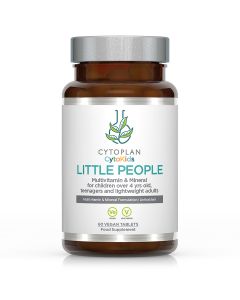 In stockLittle People
Specially formulated for kids aged 4 years and above, these tiny, easy-to-tak...
£13.99 from -
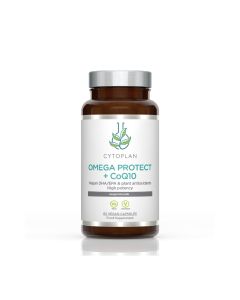
 In stockOmega Protect + CoQ10
Unique complex of vegan omega 3 fats with CoQ10 and antioxidants for optimal ...
£41.99 from