



Diagnosis of Chronic Fatigue Syndrome/ME - What’s missing?
It is estimated that around 250,000 people in the UK suffer from Chronic Fatigue Syndrome (CFS), also known as myalgic encephalomyelitis (ME), with 1 in 4 of these sufferers experiencing severe symptoms that affect quality of life and seriously reduce mobility. It is a condition, along with many other chronic diseases, that appears to be in a ‘grey area’ in terms of treatment and a possible cure. But could we be looking in the wrong direction for an explanation?
This weeks article is provided by Dr Alyssa Burns-Hill PhD a leading holistic hormonal health specialist who has previously provided us with three fascinating pieces on ‘Metabolism & Thyroid Function’, ‘Thyroid Health’ and ‘Support for Disturbed Sleep’.
Today, Alyssa looks at the aforementioned condition Chronic Fatigue Syndrome (CFS) and the often overlooked importance of adrenal and thyroid function when it comes to treating such conditions. She also looks at how a holistic, systems-based approach alongside a relevant supplement programme (to make up for nutritional shortfalls) can help to bring you back to an optimal level of health.
Chronic Fatigue Syndrome (CFS) or Myalgic Encephalopathy (ME) usually ends up being a diagnosis of last resort. The NHS says that: "It is not known exactly what causes CFS. Various theories have been suggested, including:
- a viral infection
- problems with the immune system
- an imbalance of hormones
- psychiatric problems, such as stress and emotional trauma.1"
I’d like to look at this a bit more holistically and let’s see what else we may be able to draw out of information that we know about. I won’t be able to go into a full explanation here but my aims are that this article may offer a viewpoint that brings seemingly disparate things together.
To me, all of the above mentioned problems are linked: a viral infection means the immune system isn’t coping very well; an imbalance of hormones likely relates to stress or rather adrenal issues (cortisol, the main stress hormone, modulates immune response) and also thyroid hormone problems can play a role in these conditions that often goes undiscovered through conventional means of testing – Thyroid Stimulating Hormone and if you are lucky free T4!
Adrenal Fatigue and Stress and Thyroid Hormone Dysfunction
The adrenals are so essential, yet so marginalised by medicine. Stress and the stress hormones are a neglected area of medical practice in spite of the fact that stress-related health problems have replaced infectious disease as the primary health concern.2
Cortisol, our main stress hormone, has many functions and is linked with blood pressure, immune response, blood sugar regulation as well as interfering with thyroid hormone’s ability to connect with tissue.
High cortisol can be linked with on going inflammation and this can be the starting point of many chronic diseases.
High cortisol will also have an impact on T4 to T3 conversion causing conversion to rT3, which may effectively cause a deficiency of thyroid hormone. This deficiency can then be exacerbated by the high cortisol, which inhibits thyroid hormone from connecting with tissue.
Adrenal fatigue and chronically low cortisol can mean that the immune inflammatory response isn’t turned off. This means that the body can be stuck in a constant low-level inflammatory response and this can lead to conditions such as Hashimoto’s Thyroiditis, Rheumatoid Arthritis, Multiple Sclerosis, or Coeliac Disease, for example.
With chronically low cortisol, thyroid hormone also has problems connecting with tissue resulting in, yet again, a potentially functional hypothyroid state.
Fatigue, poor stress response, low blood sugar and low blood pressure can all be linked with low adrenal function.
Alongside, or even instead of, the above-mentioned hormone problems it’s important to consider some very prevalent and relevant vitamin and mineral deficiencies that can be contributing to, or even causing, the low energy, lack of stamina, aches and pains, poor immunity as well as an increased risk of a number of chronic diseases.
Vitamin B12
B12 deficiency has many symptoms that can look like hypothyroidism, which means that it can affect you physically, mentally and emotionally.
B12 isn’t toxic so you can supplement without fear. The most effective form is methylcobalamin and to be honest it’s the only one to use. It’s the natural form that’s found in nature and it’s pre-methylated, which means that it’s ready for your body to use. This is especially important if you’re not methylating properly (linked with another vitamin deficiency) as it means that your body doesn’t have to process it. High dose B12 supplementation is recommended, but you can start low and build up
You should be especially aware of B12 deficiency if you are vegetarian or vegan and if you are on medication: Proton Pump Inhibitors, HRT, the Pill or glucose regulating drugs.
Vitamin D3
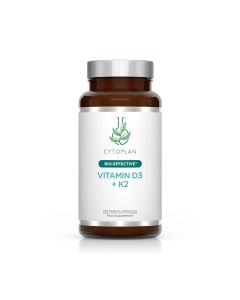
Vitamin D3 deficiency or insufficiency is so common it can almost be guaranteed to be worth supplementing and again large doses are the ones that are going to achieve a therapeutic impact. Low D3 is linked with depression, arthritis, MS, various autoimmune conditions and so it goes on.
I tend to recommend using at least 5,000 ius per day, but you can work with much higher doses, especially if you supplement with Vitamin K2 at the same time. It has to be said that Vitamin D3 is believed to be toxic at high doses, but you have to go a very long way to get there. The Vitamin D Council says that,
“Very high levels of 25 (OH)D can develop if you take more than 10,000 ius per day every day for three months or more. However, Vitamin D toxicity is more likely to build up if you take 40,000 ius per day every day for three months”3.
It’s worth starting off with 10,000 ius per day for a month and then dropping to 5,000 ius for maintenance. Taking a break now and then is always a good thing too!
We should get our Vitamin D3 supply from exposure to the sun, however, we are so far north in the UK that it’s difficult for us to get enough at the right ultra violet frequency for your body to make it. We have also been persuaded to use excessive amounts of sun protection lotion so that our skin is effectively covered even when we are out in the sun. This may well be related to the increase in Rickets in the UK in recent years4. The commonly accepted cause of Rickets is lack of Vitamin D3. If you have darker skin then the likelihood of being deficient is increased as it will take more exposure to sunlight for your body to be able to make the vitamin.
Drugs that can interfere with vitamin D levels in the body are corticosteroids such as prednisolone and inhalers for asthma; certain types of cholesterol lowering drugs and the weight loss drug, orlistat (known by the brand name, Alli).
Magnesium
Magnesium is a mineral that is also often deficient in a lot of the population and it is an essential requirement for many of the body’s systems. When we think of a lot of the problems exhibited by CFS/ME sufferers, for example: aches and pains and fatigue in particular it’s worth thinking about magnesium deficiency. Magnesium is necessary for muscle relaxation and it modulates cellular action related to inflammation. In fact, research has found that low magnesium levels are linked with an elevated C-Reactive Protein level (CRP is an inflammatory marker)5.
Diuretics can increase the loss of magnesium in urine and Proton Pump Inhibitors have been found to cause magnesium deficiency. Also taking magnesium with blood pressure tablets may drop blood pressure so your dose may need adjusting downwards. Be aware of low blood pressure signs if you supplement.
As you can tell this is not a comprehensive review and neither does it propose a full and proper protocol for someone diagnosed with CFS/ME. However, I hope that this has started to join the dots as to why there is never a magic bullet that will resolve a chronic health problem. Working from a more systems-based approach helps to support the body in its own natural efforts to adapt and compensate its way back to its most optimal place. Supplements used properly, with understanding and relevance, could provide the missing links in a health puzzle such as CFS/ME.
Dr Alyssa Burns-Hill PhD is a leading holistic hormone health specialist with practices in Harley Street, London, Jersey in the Channel Islands and an international virtual clinic with patients all over the world. She is a fervent supporter of the charity Thyroid UK, being a Trustee and on their advisory panel, supporting their aims of promoting better thyroid health. Alyssa has a background in health that stretches over 20 years – with an academic background in health promotion (MSc) and a PhD focused on ‘Holistic healing from breast cancer through the lens of hormones: Synopsis and synthesis’. More information about her and her book ‘Weight Loss Winners & Dieting Downfalls’ (including buying online) can be found by following the link below. The book provides a wealth of information including:
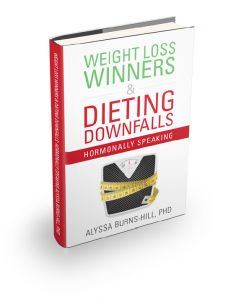 “Learn key factors that can help you overcome your Dieting Downfalls and maximise your Weight Loss Winners with questionnaires to assess how you shape up in hormone health. This is not another diet book this information will make a difference whatever regime you choose to follow. If you want to know why, this book will provide you with hormone insights that impact men and women alike.”
www.dralyssaburns-hill.com
“Learn key factors that can help you overcome your Dieting Downfalls and maximise your Weight Loss Winners with questionnaires to assess how you shape up in hormone health. This is not another diet book this information will make a difference whatever regime you choose to follow. If you want to know why, this book will provide you with hormone insights that impact men and women alike.”
www.dralyssaburns-hill.com
With many thanks to Alyssa for this enlightening article. Alyssa has previously written blogs for us and you can find the links to those articles below. If you have any questions regarding the topics that have been raised, or any other health matters please do contact me (Amanda) by phone or email at any time. Amanda Williams, Cytoplan Ltd amanda@cytoplan.co.uk, 01684 310099
Relevant Products Vitamin B12 -Our sublingual Vitamin B12 is at a higher potency of 500µg per tablet, and beneficially in the form of Methylcobalamin, and hence is universally bio-effective and ideal for vegetarians and vegans. Sublingual Vitamin B12 provides greater absorption as it avoids the problems associated with digestive tract uptake. Vitamin D Supplements Vitamin D3 – Vitamin D is now considered one of the most vital vitamins for health and protection and one of the most depleted, particularly in pregnant women, the elderly and those that rarely get outdoors. Vitamin D3 is the most bioavailable form of this nutrient. Vegan vitamin D3 – Vegan vitamin D3 – A Wholefood supplement from lichen ideal for vegetarians and vegans. 60 tablets for 60 day”s supply with one tablet providing 62.5µg (2500i.u.) Vitamin D3 (Cholecalciferol) at 1250% of RDA. Vitamin D3 is the most bioavailable form of this nutrient. Vitamin D3 Spray – Cytoplan vitamin D3 spray provides 5ug/200iu of plant-sourced vitamin D3 in just one spray (100% of RDA). With each supplement comprising 20ml this provides between 30 to 150 days supply of this important nutrient (dependant on your daily requirement). Magnesium Supplements Biofood Magnesium – Biofood Magnesium tablets are effectively an organic matrix form of magnesium, complete with natural amino acid carriers to ensure transport to sites of need within the body. Biofood Magnesium is 100mg per tablet potency and combined in a probiotic culture. This is the 60 capsules 60, for 120 capsules please follow the link. Magnesium Citrate – Magnesium Citrate is the best of the non-food forms of magnesium. As a citrate it is readily absorbed into the bloodstream via the citric acid cycle. Easy-to-take gluten free capsules which are suitable for vegetarians and vegans.
Relevant Cytoplan Blogs Metabolism & Thyroid Function Thyroid Problems - the difference between 'form' and 'function' Support for Disturbed or Disrupted Sleep Stress and Cortisol
References
- http://www.nhs.uk/conditions/chronic-fatigue-syndrome/Pages/Introduction.aspx
- http://www.ncbi.nlm.nih.gov/pubmed/17902518
- https://www.vitamindcouncil.org/about-vitamin-d/am-i-getting-too-much-vitamin-d/#
- http://www.nhs.uk/conditions/rickets/Pages/Introduction.aspx
- http://www.jle.com/en/revues/mrh/edocs/magnesium_and_its_relationship_to_c_reactive_protein_among_hemodialysis_patients_278789/article.phtml?tab=texte

We’d love your comments on this article
It’s easy, just post your questions, comments or feedback below