


Eczema - Looking Beyond the Skin
Eczema is a name for a group of skin conditions – of which atopic eczema, (also known as ‘atopic dermatitis’) is the most common. This condition often occurs in people who are prone to other common allergies. It can run in families and often develops alongside other conditions such as asthma and hay fever.
The NHS provides the following summary of those most affected by eczema:
“About one in five children in the UK has atopic eczema. In 8 out of 10 cases, the condition develops before a child reaches the age of five. Many children develop it before their first birthday.
Atopic eczema can improve significantly, or even clear completely, in some children as they get older. About half of all cases improve a lot by the time a child reaches 11 years, and around two-thirds improve by the age of 16.
However, the condition can continue into adulthood and can sometimes even develop for the first time in adults.”
In this article we are going to look at the most common causative factors in the development of atopic eczema, and also discuss how and why prevention should start before pregnancy.
Understanding the Skin
To fully understand the complexity of eczema it is useful to have an understanding of how the skin works.
The skin on our body has three main layers; the epidermis, the dermis and the subcutaneous layers.
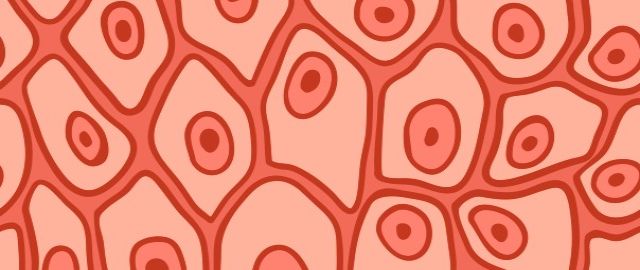
The epidermis which is the uppermost layer of our skin serves as a barrier of defence and varies in thickness according to location with the thickest on the palms of the hands and soles of the feet. The epidermis is composed of multiple layers of cells termed ‘stratified kerantinised squamous epithelium’.
The surface layer of the epidermis consists of flat, thin, dead cells in which the fluid cell cytoplasm has been replaced by the fibrous protein keratin. These cells are continually changing with a complete replacement of the epidermis taking approximately forty days.
The dermis is the ‘second’ layer of skin situated between the epidermis and the subcutaneous tissue. The dermis is formed from connective tissue with the matrix containing collagen fibres interlaced with elastic fibres. Collagen fibres bind water and give skin its tensile strength. Contained within these layers are glands (e.g. sweat and sebaceous glands), hair follicles and blood vessels. The dermis is also referred to as ‘the true skin’ because most of the vital functions of the skin are performed or housed here
The subcutaneous layer is the third of the three layers of the skin and contains fat and connective tissue.
Healthy Skin
Healthy skin cells are filled with water and have a barrier which helps protect against infection and the absorption of harmful toxins. The fats and oils in the skin help to retain moisture and maintain body temperature.
The National Eczema Society provides a good analogy of how this process works:
“One way of picturing the way your skin works is by thinking of it as a brick wall. The outer skin cells are the bricks, while fats and oils act as the mortar that keeps everything together and acts as a seal. The skin cells attract and keep water inside, and the fats and oils also help keep the water in.”
Eczematous Skin
If you have eczema then your skin is unlikely to be able to produce as much fat and oil as somebody with healthy skin, and as a result it is less able to retain water. Because of this, the initial skin barrier becomes more permeable, allowing harmful toxins in.
Because it is prone to drying out and is easily damaged, skin with eczema is more liable to become red and inflamed on contact with substances that are known to irritate or cause an allergic reaction.
Types of Eczema
The NHS Website provide a list of the many different types of eczema:
“Eczema is the name for a group of skin conditions that cause dry, irritated skin. Other types of eczema include:
Discoid eczema – a type of eczema that occurs in circular or oval patches on the skin
contact dermatitis – a type of eczema that occurs when the body comes into contact with a particular substance
Varicose eczema – a type of eczema that most often affects the lower legs and is caused by problems with the flow of blood through the leg veins
Seborrhoeic eczema – a type of eczema where red, scaly patches develop on the sides of the nose, eyebrows, ears and scalp
Dyshidrotic eczema (pompholyx) – a type of eczema that causes tiny blisters to erupt across the palms of the hands”
The word ‘atopic’ is defined as relating to, or caused by, a hereditary predisposition towards developing certain hypersensitivity reactions, where the immune system over-reacts such as asthma, hay fever and in this case, eczema.
It is now commonly accepted that this reaction is triggered by contact with an allergen, either surface contact, inhaled or ingested.
Common symptoms of eczema include:
- itching of the skin
- warm, tender skin
- skin that becomes scaly and raw
- burning sensation or pain on the skin
- red bumps on the skin that may weep and crust
- skin that becomes dry, red, or rough
- inflammation of the skin
The exact causes of eczema are still not fully understood, however there are various factors that are believed to play a role in its onset.
Poor Gut Health
As we have mentioned previously in our blogs, the overall health of your gut is central to the health of your whole body. In the case of eczema this is no different, the condition is not simply ‘skin deep.’
In order to maintain a healthy gut and therefore a healthy body, we ideally need an 80% - 20% ratio of ‘good’ to ‘bad’ bacteria.
However due to poor diet (eg lack of fibre, too much sugar) bad bacteria may overgrow. This is called dysbiosis. These dysbiotic bacteria produce toxins that damage our gut lining, increasing gut permeability. This condition is known as ‘Leaky Gut syndrome’and we have recently written a blog on this subject. Toxins and food antigens are then able to enter the body and trigger inflammatory immune reactions.
It has also been suggested that toxins that are not being eliminated by the gut may use alternative routes of elimination including the skin – putting the skin under an assault of bad bacteria and toxins.
An Increased risk for children: It was believed that infants were born sterile. This view is being challenged and it is now thought that the mother’s gut flora may start to populate the baby’s gut 'in utero'. The infant then receives a ‘mouthful’ of bacteria as it passes through the birth canal and will continue to receive bacteria from the mother via breastfeeding. A number of factors may compromise this early development of a healthy gut flora – eg where the mother has a dysbiotic flora herself, the use of antibiotics during and/or after birth and caesarean births.
The infant’s developing digestive system can get the best start if the mother pre and during pregnancy eats adiet rich in prebiotic foods (ie fibre), and low in sugar. When planning a pregnancy the Mum might also like to consider taking a probiotic supplement. For infants born by caesarean section, taking a swab of bacteria from the mother’s vagina and wiping these around the infant’s mouth is being used in some hospitals.
Immune Involvement
It has long been known that immune activation is involved in eczema – with many patients having increased levels of IgE, and IgG antibodies. IgE antibodies trigger immediate allergic reactions by binding to basophils (a type of white blood cell) in the bloodstream and mast cells in tissues.
When basophils or mast cells with IgE bound to them encounter allergens they release substances such as histamine resulting in inflammation. IgG on the other hand is the antibody most associated with a delayed food intolerance and reactions.
More recently eczema has been described as an autoimmune disease by a team working at the Icahn School of Medicine at Mount Sinai. They discovered Interleukin-4 and Interleukin-13 involvement. Interleukins are types of cytokines - immune proteins that amplify the body’s response to viruses and bacteria (causing related inflammation) but they can mistakenly target bodily tissues as part of an autoimmune process.
Allergens
If you have a genetic predisposition to atopic eczema, then exposure to certain environmental factors may cause the condition to flare up, such as certain allergens, including:
- Pets
- Pollen
- Moulds
- Dust mites
These are very specific to the individual in terms of causing eczema to flare up however some of the most common ones include:
- Soaps and shampoos
- Disinfectants
- Juices from fresh fruits, meats and vegetables
It is believed that around one-third of children with eczema also have a food allergy. Some of the most common food allergies associated with eczema include:
- Eggs
- Nuts and seeds
- Wheat
- Dairy products
Delayed reaction from food: Symptoms will get worse over a one to two day period. This form of reaction is thought to be due to immune cells in the skin reacting against the food.
Stress
Sleep deprivation and stress are inflammatory and can also have a direct impact on the skin barrier function – which as we mentioned earlier is absolutely essential to preventing the onset of atopic eczema, or at least reducing its severity.
Therapeutic approaches to treating Eczema
- Diet: An anti-inflammatory diet that is high in vegetables (6-8 portions per day) and good quality fats (nuts, seeds, avocado, oily fish, olive oil). Sugary foods and inflammatory fats such as trans fats, sunflower and corn oils should be avoided.
- Trial Elimination diet: If there are suspected food allergies and sensitivities a trial elimination diet removing eggs, nuts and seeds, gluten, dairy and soy can be considered to see if symptoms improve.
- Native Live Bacteria (formerly known as Probiotics). The strains of Native Live Bacteria being investigated for eczema include Lactobacillus species such as Rhamnosus, L. Plantarum, L salivarius and L acidophilus as well as Bifidobacterium breve. Multiple trials have noted improvement in severity.
- Essential Fatty Acids – omega-6 and omega-3. The omega-6 fatty acid Gamma linolenic acid (GLA) is a precursor of inflammatory mediators such as prostaglandin E and is the primary substrate for arachadonic acid. It has been suggested that the enzyme responsible for converting linoleic acid to GLA may be deficient in patients with eczema. Evening primrose oil is high in GLA and is an area of investigation in the management of eczema. Trials with omega-3 showed that supplementation during pregnancy and breastfeeding may reduce the risk of developing allergic sensitations to egg, IgE associated eczema and food allergy. Researchers observed an 8% prevalence of eczema in the omega-3 group compared to 24% prevalence in the placebo group.
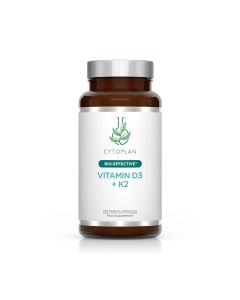
- Vitamin D3 has immunomodulatory effects and there are many studies connecting vitamin D to allergic disease and describing a beneficial effect of vitamin D on eczema.
- Vitamins C and B6 are involved in histamine break-down. Methylation is also involved so consider B12 and L-methylfolate
- Beta 1-3, 1-6 Glucan has immunomodulatory effects and its ability to reduce the symptoms of allergy is described by Dr Paul Clayton in ‘The Science of Beta Glucan & Understanding the Innate Immune System’, part of our technical information series.
It should be noted that whilst pregnancy provides a window of opportunity for preventing allergies in the next generation, some of the supplements discussed here are not recommended in pregnancy.
Conclusion
Although eczema is regarded as a condition without a definitive cure, what we hope to have demonstrated in this article is that through lifestyle and dietary changes, the severity of the condition may be managed.
More importantly, there is an opportunity to prevent eczema and allergies developing by identifying at risk mothers-to-be and supporting with appropriate nutrition and supplements prenatally and during breastfeeding.
If you have any questions regarding the health topics that have been raised, or any other health matters please do contact me (Amanda) by phone or email at any time.
amanda@cytoplan.co.uk, 01684 310099
Amanda Williams and the Cytoplan Editorial Team: Joseph Forsyth, Simon Holdcroft and Clare Daley
Relevant blogs

We’d love your comments on this article
It’s easy, just post your questions, comments or feedback below