A complex topic that can be baffling and spark differing opinions, methylation is critical to health as it’s at the heart of so many of our body’s key processes. Annie Edwards demystifies methylation and explains how you can use it to support the health of your clients.
Why methylation matters
Methylation is a key cellular process that takes place continuously, regulating multiple functions in...
Pregnancy provides a unique and critical window of opportunity to implement healthy dietary habits, and balanced maternal nutrition during pregnancy is important not only for the health of the mother but also to provide the right environment for optimal development of the baby. Nutritional status of the mother at conception and during pregnancy can also determine, at least in part, the risk to ...
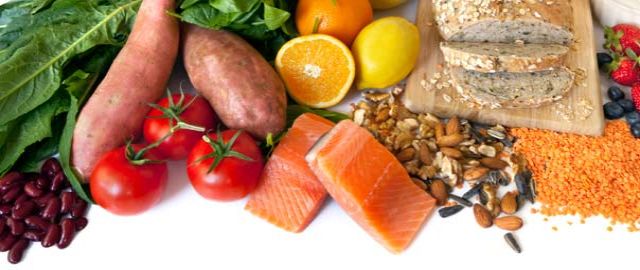
Our nutritional requirements can vary from one life stage to the next and can alter according to specific reasons such as pregnancy, health problems such as infection or disease, or ageing and medications. Recent nutritional surveys indicate however that many of us, across all age groups, are not even obtaining the most basic level of certain nutrients.1-4
In this weeks’ blog we look at some of...
Planning a pregnancy is both an exciting and important time. It is always favourable for both mother and father to assess their health before conceiving a child, and address any shortfalls, which will optimise chances of conception, wellbeing in pregnancy and the health of the baby.
This article looks at important interventions to consider prior to becoming pregnant to optimise health. It is i...
Iodine is an micromineral which is essential for health and is most strongly associated with thyroid function. Epidemiology suggests that 2 billion individuals worldwide have insufficient iodine intake, with those in south Asia and sub-Saharan Africa particularly affected.1
The thyroid is an endocrine gland located at the base of the throat which is responsible for producing the thyroid hormon...
Coenzyme Q10 (commonly referred to as CoQ10) is a member of the ubiquinone family of compounds and is an important vitamin-like substance that is found in virtually all cell membranes, including mitochondrial membranes. Although CoQ10 is naturally produced by the body, levels decline with age and while a certain amount can be found in food, the amount generally is not enough to significantly in...
Planning a pregnancy is both an exciting and important time. It is always preferable for both mother and father to assess their health and nutrition before conceiving a child; which will optimise the chances of conception, wellbeing in pregnancy and the health of the baby.
Unfortunately, conceiving and giving birth to a healthy baby can sometimes be a challenge. According to the NHS, around on...
Do you use a hair dye? If yes - do you feel comfortable with the ingredients of that dye? The label may indicate a 'natural' or 'synthetic' dye but do you really know what the ingredients are telling you about the product you use?
It is a topic that is relevant to a huge number of women (and indeed men too). Some of you may think that today's blog is rather unusual when compared to our 'staple'...
It is estimated that around one in seven UK couples experience difficulty in conceiving, with a poor diet being one of the major contributory factors. Unfortunately, despite its importance for conception and fertility, a lack of nutrition can often be over looked with the most common cause of infertility frequently being labelled as 'unexplained'.
The nutritional status of an individual, whethe...
The NHS defines Polycystic Ovary Syndrome (PCOS) as: "a common condition that affects how a woman’s ovaries work."
The three main features of the condition are: cysts that develop in the ovaries (polycystic ovaries), ovaries do not regularly release eggs (ovulate) and having high levels of "male hormones" called androgens. Polycystic ovaries contain a large number of harmless cysts up to 8mm i...