The skin, known as the largest organ in the body, acts as both a barrier to our internal environment and a messenger, providing important insights into our health. The skin plays a vital role in maintaining overall health by protecting, sensing, regulating, and supporting the body. In this blog, Nutritional Therapist Annie Edwards will explore key body systems to consider when supporting clients in achieving healthier skin from within.
Astaxanthin, often referred to as the ‘king of carotenoids’, is a naturally derived antioxidant with wide-ranging benefits for human health. It has been extensively researched for its role in supporting energy, performance, and overall cellular health, making it a valuable tool when supporting diverse client needs. In this blog, we explore its benefits and why quality and good sourcing matter.
The interplay between the immune system, oxidative stress and nutrients that target both of these pathways is a popular topic, especially during the winter months. Modern life exposes us to increased toxins, pollution, nutritional deficiencies, stress, poor liver and digestive function and inflammation which all put additional stress on the immune system, often leaving it vulnerable to attack.
...
Tinctures are concentrated liquid herbal extracts. The plant part that is used can vary from plant to plant (e.g. some will be bark, some root, some seed, some leaf, some fruit or just flower). Some tinctures use a combination of plant parts.
Tinctures have long been revered for their health benefits. We recently launched our own range and so to celebrate, this week's blog looks at the uses and...
We are all familiar with the saying ‘beauty comes from within’ and when it comes to our skin this couldn’t be more true. Healthy skin starts with optimal nutrition and with the skin being the largest organ, it has a great need for nourishment.
It is also the organ where signs of ageing, stress, and poor nutrition are perhaps most noticeable. A range of nutrients are needed for skin health which...
Ageing is both a natural and unavoidable part of life but anti-ageing diets and many other dietary approaches can help to support healthy ageing and longevity pathways and minimise the risk of disease. In addition to the visible signs of ageing, there are many associated conditions, which include cognitive decline, osteoporosis, reduced mobility, hearing loss, and many more.
However, many condi...
N-acetylcysteine (NAC) is a supplement form of the non-essential amino acid, cysteine and is associated with antioxidant capability, immune support, detoxification and much more. NAC has received a lot of positive attention recently, particularly in light of the pandemic and vaccination roll out, and in this week’s blog we explore some of the evidence in relation to this and also its wider appl...
Now that we are a few months into the current pandemic, there is increasing awareness of the condition known as “long covid”. This is characterised by a long recovery period or inability to recover from a primary COVID-19 infection. The phenomenon so far has no medical definition or list of symptoms shared by all patients and two people with “long covid” can have very different experiences.
Sy...
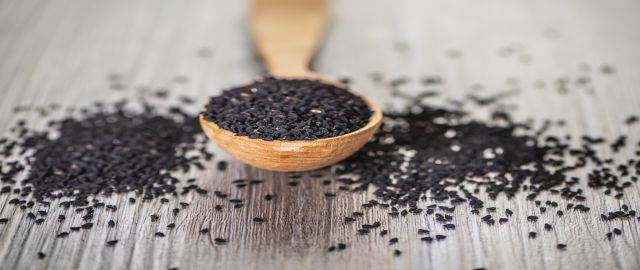
Black seed oil is derived from the small, black seeds of the Nigella sativa, a flowering plant with purple, white or blue flowers, that is native to Southern Europe, Southwest Asia, and North Africa. Nigella sativa belongs to the buttercup family (Ranunculaceae) and can grow up to 30 cm tall. It produces a fruit with seeds that are used as a spice in many cuisines and is cultivated in many coun...
October is Cholesterol Awareness Month – and this is a subject that is rarely out of the headlines. Not everyone agrees on the clinical significance and management of high cholesterol. And of course cholesterol does have important functions in the body – so in this week’s blog we are going to review the topic of cholesterol and outline some natural ways to manage high cholesterol.
The Lipid Hy...