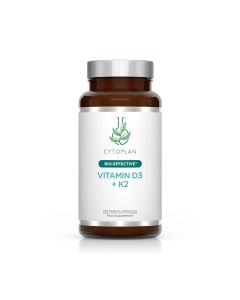
Vitamin D plays a critical role in protecting humans from invasive pathogens, reducing the risk of autoimmunity and maintaining optimal health – while low vitamin D levels leave an individual susceptible to infections and developing autoimmunity. This systematic review released last month takes an in depth look into the evidence around vitamin D’s mechanisms and effects on enhancing both innate...
Hormones play a significant role in our health and while it’s natural for them to change during certain life stages, if they are out of balance, they can cause a variety of symptoms and conditions. When we experience hormonal problems, it is our body’s way of letting us know that something is amiss.
Unfortunately for many of us, we’ve just come to accept that they are a part of life. However, t...
Pregnancy provides a unique and critical window of opportunity to implement healthy dietary habits, and balanced maternal nutrition during pregnancy is important not only for the health of the mother but also to provide the right environment for optimal development of the baby. Nutritional status of the mother at conception and during pregnancy can also determine, at least in part, the risk to ...
Our nutritional requirements can vary from one life stage to the next and can alter according to specific reasons such as pregnancy, health problems such as infection or disease, or ageing and medications. Recent nutritional surveys indicate however that many of us, across all age groups, are not even obtaining the most basic level of certain nutrients.1-4
In this weeks’ blog we look at some of...
Vitamin D is an essential nutrient of which many people struggle to obtain optimum levels. The benefits of vitamin D for bone health and immunity are well published and understood by the general population. However, the impacts of vitamin D on health are far reaching and more and more evidence is accumulating for the functions that it elicits across the body.
Vitamin D is considered to be a ho...
This in-depth and highly researched article by Eshani King, a researcher in immunology and health, follows on from her first piece for us; 'The role of vitamin D and COVID-19 – the latest research'.
This review adopts an integrated, comprehensive approach in reviewing the emerging evidence and developments from varying sources to consolidate and add to the knowledge base on vitamin D and Covid-...
There is a vast amount of evidence available for interventions which support immunity, protect against viral infection, and may possess antiviral activity. In addition, new research has emerged and continues to emerge with regards to interventions that have potential to be beneficial against COVID-19.
Skip to Key Takeaways
We are getting many queries about how best to support resilience to inf...
Investigations carried out by Dr Paul Clayton identified the difference between the nutrients that the average population obtains from food and the levels required for optimum health. We refer to this difference as “the nutrition gap.” The nutrition gap can have a detrimental effect on health and susceptibility to disease and can increase the risk of many conditions as well as accelerating chro...
Now that we are a few months into the current pandemic, there is increasing awareness of the condition known as “long covid”. This is characterised by a long recovery period or inability to recover from a primary COVID-19 infection. The phenomenon so far has no medical definition or list of symptoms shared by all patients and two people with “long covid” can have very different experiences.
Sy...
The beginning of a new school year is here and whilst for many it is a welcomed chance to return to some sort of normality and routine as the children head back to school, it often goes hand-in-hand with back-to-school germs, which in these times may be of particular worry to parents. In contrast to the summer months, which sees most children spending time outdoors, children tend to spend more ...