
Gout - Signs, symptoms and nutritional support
Gout is an inflammatory form of arthritis and is a condition that is believed to affect around 1 in 50 people around the United Kingdom. As quoted on the NHS website: “Gout is a type of arthritis in which small crystals form inside and around the joints. It causes sudden attacks of severe pain and swelling.”
In this week’s blog we look at some of the most common signs and symptoms of gout, its link with high levels of uric acid, and nutritional considerations.
Signs and symptoms of gout
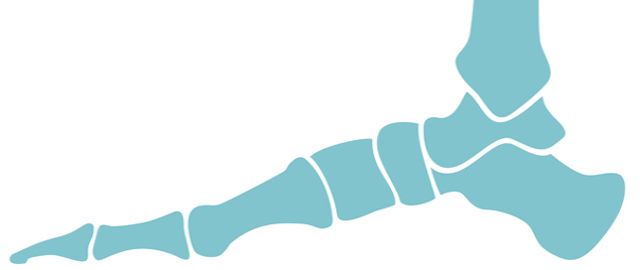
Symptoms of gout almost always occur suddenly, especially at night. Gout causes the joints to become swollen, red and often stiff. The big toe is most commonly affected because gout symptoms typically develop in areas of the body that experience the most trauma. When the toe is affected, the symptom is often called podagra.
Other commonly affected joints include the ankles, heels, knees, wrists, hands, fingers, and elbows. The pain can often be severe.
Symptoms generally diminish after a week or two. Once symptoms are gone, the affected joints are not painful. However, if the patient does not receive treatment, attacks will come back (with increased frequency), and they will usually last longer and affect more joints.
How does gout come about?
Gout occurs when there is a large volume of uric acid circulating in the bloodstream, which is known as hyperuricemia. Sometimes your body either produces too much uric acid or your kidneys excrete too little uric acid. When this happens, uric acid can build up, forming sharp, needle-like urate crystals in a joint or surrounding tissue that cause pain, inflammation and swelling. This is known as gout and the pain can often remain for between 3 and 10 days.
Pain and discomfort are not the only considerations for gout-sufferers, however, as hyperuricemia has also been implicated in the development of other more serious conditions such as arteriosclerosis, cerebrovascular and cardiovascular diseases, along with nephropathy in diabetic patients.
Uric acid
Uric acid is a waste product that forms when the body breaks down purines, which are compounds found at high levels in red meat, poultry, and fish. In healthy people, uric acid is continuously broken down in order to maintain normal levels in the blood. A person's gender, genetic makeup, hormonal changes, diet, and some medications may cause the body to produce too much uric acid or prevent it from being properly broken down.
Here are some of the most common risk factors associated with an ability to effectively break down uric acid:
Diet: Eating a diet that's high in meat and seafood and high in beverages sweetened with fruit sugar (fructose) promotes higher levels of uric acid, which increases your risk of gout. Alcohol consumption, especially of beer, also increases the risk of gout. Here is a list of foods on the Gout Society website that are high in purines (avoid) and low in purines.
High purine foods include: (avoid)
- Offal - liver and kidneys, heart and sweetbreads
- Game - pheasant, rabbit, venison
- Oily fish - anchovies, herring, mackerel, sardines, sprats, whitebait, trout
- Seafood - especially mussels, crab, shrimps and other shellfish, fish roe, caviar
- Meat and Yeast Extracts - Marmite, Bovril, commercial gravy as well as beer
- Meat - beef, lamb chicken, pork
- Poultry - chicken and duck
- Dried peas, beans and legumes - baked beans, kidney beans, soya beans and peas etc.*
- Mushrooms
- Some vegetables - asparagus, cauliflower, spinach*
- Wholegrains - bran, oatbran, wholemeal bread
Low purine foods
- Dairy - milk, cheese, yoghurt, butter
- Eggs
- Bread and cereals - (except wholegrain)**
- Pasta and noodles**
- Fruit and vegetables (see moderate purine list
Obesity: If you are overweight, your body produces more uric acid and your kidneys have a more difficult time eliminating uric acid, which greatly increases your risk of gout.
Medical conditions: Certain diseases and conditions make it more likely that you'll develop gout. These include untreated high blood pressure and chronic conditions such as diabetes, metabolic syndrome, and heart and kidney diseases.
Certain medications: The use of thiazide diuretics — commonly used to treat hypertension — and low-dose aspirin also can increase uric acid levels. So can the use of anti-rejection drugs prescribed for people who have undergone an organ transplant.
Family history of gout: If other members of your family have had gout, you're more likely to develop the disease.
Age and sex: Gout occurs more often in men, primarily because women tend to have lower uric acid levels. After menopause, however, women's uric acid levels approach those of men. Men also are more likely to develop gout earlier — usually between the ages of 30 and 50 — whereas women generally develop signs and symptoms after menopause.
Recent surgery or trauma: Undergoing surgery or trauma has been associated with an increased risk of developing gout.
Nutrition for Gout
Studies show that excessive intake of alcohol, meat, soft drinks and fruit juices increase the risk of developing gout. On the other hand coffee and dairy products increase the excretion of uric acid and so have been shown to decrease the risk of hyperuricemia.
A diet based on the Mediterranean diet is appropriate – with plenty of anti-inflammatory vegetables and healthy fats (eg olive oil). The diet should also be low in purines (<400 mg purines per day) so limiting animal meats (especially red meat, organ meat and seafood), as well as fructose and other sugars. Research on specific nutrients in relation to gout includes:
Vitamin C
As noted on the Arthritis Foundation website, a study from 2009 published in the Archives of Internal Medicine showed the following:
“During the 20 years that researchers studied nearly 47,000 men, 1,317 of them developed gout. But the risk was not shared equally. For every 500-milligram increase in vitamin C intake, the risk for gout fell by 17 percent. The risk dropped by 45 percent when study participants took more than 1,500 mg of vitamin C a day.”
It was noted in the research that although vitamin C was shown to reduce the risk of developing gout, in cases of people who already have gout, the benefits are unclear.
Pantothenic acid
Pantothenic acid, a type of B vitamin (B5), is needed to help with the excretion process of uric acid. Stress often depletes the body of this vitamin which may in part explain why gout flares during times of stress.
Flavonoids
Studies have shown the benefits of flavonoids in reducing uric acid and inflammation – for example quercetin, green tea polyphenols and anthocyanins. Quercetin is found in onions and apples, and anthocyanins in cherries and other purple and blue coloured berries. Drinking organic cherry juice daily may lower levels of uric acid.
A study carried out at the University of California showed that there was a decrease in plasma urate after cherry consumption.
Bromelain
Bromelain is an enzyme present in pineapples, with highest concentrations being found in the tough centre that we tend to discard. It has anti-inflammatory effects and is reported as being useful for the swelling associated with gout, although studies are lacking. It may also contribute to the improved absorption of the flavonoid quercetin, a flavonoid nutrient shown to reduce uric acid levels.
Other considerations
Other important considerations are staying well hydrated at all times to support the kidneys to flush out uric acid. This will also prevent the uric acid from becoming too concentrated and inhibit uric acid crystalization.
Also, 70% of the uric acid that your body produces is excreted through the kidneys, but the other 30% is excreted through the intestine, and the efficiency of this excretion process relies heavily on the presence of a healthy bacterial balance within the gut. In addition animal studies show the gut microflora moderate the inflammation associated with gout.
As with many conditions that are so common in the modern era, diet and lifestyle are particularly important when it comes to the prevention of gout. Removing high purine foods, including low purine foods and maintaining a healthy overall diet lifestyle is the key to preventing and supporting gout.
If you have any questions regarding the topics that have been raised, or any other health matters please do contact me (Clare) by phone or email at any time.
clare@cytoplan.co.uk, 01684 310099
The Cytoplan editorial team: Clare Daley and Joseph Forsyth
Cytoplan Products
Bromelain is an enzyme complex derived from pineapple.
Cherry-C capsules are rich in vitamin C and carotenoids, with the cherry-like fruits being one of the richest-known natural sources of vitamin C.
Phyte-Inflam is a natural phytonutrient herbal complex containing curcumin from turmeric, gingerols from ginger root and piperine from pepper.
Phytoshield is a phyto-antioxidant nutrient formula containing high levels of flavonoids and carotenoids. Each capsule supplies 650mg of mixed flavonoids and 15mg of mixed carotenoids.
Food State Pantothenic Acid (vitamin B5) is combined in a food base of inactive Lactobacillus bulgaricus in which it naturally occurs.
Acidophilus Plus contains Lactobacillus acidophilus and 8 further live native bacterial strains, plus a small amount of prebiotic. This blend of native bacterial strains is designed to have activity throughout the whole GI tract.
Krill is a source of Omega 3 fatty acids EPA/ DHA; astaxanthin, and phospholipids
Bibliography
Cheng L C et al (2015) - Flavonoids and phenylethanoid glycosides from Lippia nodiflora as promising antihyperuricemic agents and elucidation of their mechanism of action. J Ethnopharmacol., 24;176:485-93.
Chen G et al (2015) - Green tea polyphenols decreases uric acid level through xanthine oxidase and renal urate transporters in hyperuricemic mice. J Ethnopharmacol, 175:14-20.
Kaneko K et al (2014) – Total purine and purine base content of common foodstuffs for facilitating nutritional therapy for gout and hyperuricemia. Biol Pharm Bull. 37(5):709-21.
Nickolai B and Kiss C (2016) – Nutritional therapy of gout. Ther Umsch, 73(3):153-8
Steves C J et al (2016) - The Microbiome and Musculoskeletal Conditions of Aging: A Review of Evidence for Impact and Potential Therapeutics. Journal of Bone and Mineral Research, Volume 31, Issue 2, Pages 261–269