



Nutritional interventions for Multiple Sclerosis
Multiple sclerosis (MS) is a debilitating neurological condition which affects about 1 in 1000 people in the UK. Although MS is rarely fatal it can often be disabling with a third of patients losing the ability to walk 15 – 20 years after onset. In this week's blog, we look at the nutritional interventions for MS.
Initially, the condition can be relapsing and remitting and therefore patients can have periods of feeling reasonably well, however 50% of patients will enter the progressive phase of the disease 10 to 15 years after onset. It is therefore important to support MS sufferers as early as possible in order to help prevent progressive decline of the condition and the disability associated with this.
Multiple sclerosis is characterised by the degradation of the myelin sheath or demyelination and is considered an immune-mediated disease and therefore inflammation and auto-immunity (anti-myelin antibodies have been detected) play a significant role in its pathogenesis. Immune cells and inflammatory markers cross the blood brain barrier and enter the brain or central nervous system (CNS), where they destroy the myelin sheath which surrounds the axons of neurons (nerve cells). MS lesions are seen in both the brain and the spinal cord; associated symptoms and their intensity depend on the location and severity of the lesions, also known as MS plaques, therefore various neurological problems can occur. Although the development of MS is multifaceted, and not completely understood, it is generally accepted that autoimmunity, oxidative stress and inflammation are at its core, particularly when coupled with genetic risk factors. Therefore, all of these factors should be taken into consideration when supporting individuals with MS. Auto-immunity Auto-immunity occurs when the immune system produces antibodies against our own body tissue. The link between gastro-intestinal permeability (i.e. leaky gut) and autoimmune disease has been extremely well reported. Therefore, the health of the gut must be considered for patients with MS. Factors such as stress, alcohol, medications, dietary allergens, gluten, hormones and dysbiotic bacteria (or a combination of the above) can cause damage to the lining of the digestive system, causing it to become inflamed and leaky. This means that larger molecules such as endotoxins from bacteria in the gut and undigested proteins can pass through the gut lining and into the blood stream, which triggers an inflammatory response; a heightened level of inflammation is a mediator of MS. The body may also develop specific defences (ie antibodies) against these proteins or endotoxins (ie antigens) that shouldn’t be present in the blood stream. Occasionally these antigens have a very similar structure to our own body tissue which will then cause the immune system to attack specific tissue within the body, i.e. in MS the myelin sheath. Therefore, improving the barrier integrity of the gut lining as well as removing triggers of gastro-intestinal permeability is essential. Important nutrients for maintaining a healthy digestive lining:
- Vitamin D
- Vitamin A
- L-Glutamine
- Essential fatty acids e.g. omega 3 fats
- Zinc
- Prebiotic foods and live bacteria supplements, to re-establish a healthy gut flora.
For more information on how to support and repair the digestive lining see our blog: Leaky Gut Syndrome – The Signs and Symptoms.
InflammationAs with so many conditions, inflammation is a driver of MS as macrophages and lymphocytes are activated within the CNS during the relapsing or progressive phases. Reducing inflammation is therefore useful in decreasing relapses and may help to slow down the progression of the disease. There are two sides to reducing inflammation: i) removing triggers of inflammation and ii) increasing anti-inflammatory factors.
Removing triggers of inflammation:
- Support gastro-intestinal integrity
- Rebalance healthy gut flora
- Avoid
- Fats high in omega 6 particularly from heavily processed and baked goods, also from farmed meat and dairy products
- Excess sugar and refined carbohydrates
- Smoking
- Alcohol
- Environmental toxins
- Increase omega 3 fatty acids from oily fish, flax and chia seeds and dark green leafy vegetables.
- Opt for moderate amounts of grass-fed meat (1-2/week)
- Increase anti-oxidants and polyphenols by eating 8-10 portions of vegetables per day in a variety of colours
- Cook with turmeric and ginger
- Cook with fats such as olive oil and coconut oil
Vitamin D – has the ability to decrease cell-mediated inflammation. Low Vitamin D intake and serum levels are associated with an increased risk of MS. Vitamin D has also been shown to modulate Th1 and Th2 balance.
Alpha Lipoic Acid (ALA) – has been shown to have antioxidant and mitochondrial supporting capabilities (it is an essential cofactor for the conversion of pyruvate to Acetyl-CoA), both oxidative stress and mitochondrial dysfunction play a significant role in the pathogenesis of MS. A study by Khalili et al (2014) looked at the administration of 1200mg per day compared with placebo in 52 relapsing-remitting MS patients with an age range of 18-50 years. The results suggested that “consumption of 1,200 mg LA per day beneficially affects several inflammatory cytokines including INF-γ, ICAM-1 TGF-β and IL-4”.
Gingko Biloba - Researchers from the University of California, San Diego, reported that a small group of MS patients treated with ginkgo biloba had improved memory and mental function, compared with placebo-treated patients. The study was reported at the Annual Meeting of the American Academy of Neurology in Denver.
Omega 3 – EPA found in fish oils is the precursor to anti-inflammatory prostaglandins and is therefore useful in supporting anti-inflammatory pathways. DHA (also present in fish oils) is the predominant fatty acid found in cell membranes within the brain and central nervous system. The myelin sheath has a very high fat content (as it acts as an insulator) and omega 3 fats along with phospholipids are essential for maintaining the health of cellular membranes.
B12 – plays a major role as a cofactor for the formation of myelin, a close relationship between B12 deficiency and MS has been well described. B-12 is required for the production of methionine, a precursor for S-adenosyl methionine, which is required for methylation reactions. These reactions are essential for myelin maintenance and nerve function.
Editor’s note
T-helper cells are part of the body’s adaptive immune system. T-helper cells can differentiate into either a Th1 or Th2 effector helper cell. These two types of functionally distinct T-helper cell can be distinguished by the cytokines they secrete. Th1 cells secrete interferon--γ (IFN-γ) and tumor necrosis factor-α (TNF-α) and will activate macrophages to kill microbes and cytotoxic T cells to kill infected cells. Thus they mainly defend against intracellular pathogens. Th2 cells by contrast secrete a variety of interleukins and mainly defend against extracellular pathogens. Th2 cells stimulate the production of antibodies. An imbalance in Th1 / Th2 is associated with autoimmunity (Th1 dominant) and allergies (Th2 dominant).
Cytoplan Products
Acidophilus Plus – Live Bacteria supplement including FOS
Bromelain – Proteolytic enzyme
R-Omega Omega 3 fat high in DHA and phospholipids
Krill CoQ10 + K2 - Also contains D3, resveratrol, and lycopene
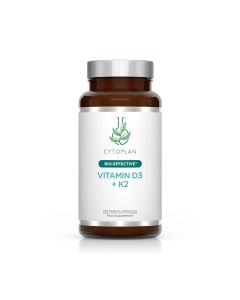
Vitamin D3 / K2 - High Strength
Vitamin B12 - Methylcobalamin and adenosylcobalamin
Vitamin B12 - Hydroxycobalamin
Cyto-Renew - Contains Alpha Lipoic Acid as well as Gingko Biloba, N-Acetyl Cysteine and CoQ10
Methyl factors - Provides B12 (Methylcobalamin, Methyl-folate, B6 and Trimethylglycine)
L-Glutamine - Comprises pure crystalline free-form L-Glutamine
Vitamin A - Retinol Palmitate
CoQ10 Multi - Our most comprehensive Wholefood Multivitamin and mineral formula available
If you have any questions regarding the topics that have been raised, or any other health matters please do contact me (Helen) by phone or email at any time.
helen@cytoplan.co.uk, 01684 310099
The Cytoplan editorial team: Helen Drake, Clare Daley, Joanna Doverman

We’d love your comments on this article
It’s easy, just post your questions, comments or feedback below